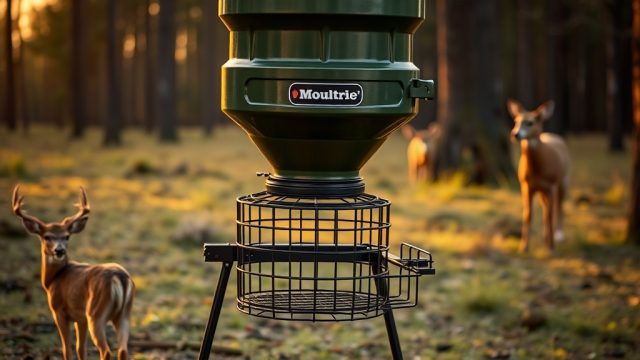

Varmint Control Tips for BuckGuide 300lb Spin-Cast Feeder
Varmints can turn a carefully managed deer feeding program into a costly disaster. The BuckGuide 300lb Spin-Cast Feeder is a robust unit, but without proper countermeasures, raccoons, squirrels, and birds will pilfer your corn within days. This article provides field-tested tips from experienced land managers to protect your investment and keep the feed where it belongs—in front of deer.
Why Are Varmints Attracted to My BuckGuide 300lb Spin-Cast Feeder?
Varmints are drawn to the BuckGuide 300lb Spin-Cast Feeder for three primary reasons: the audible spin-cast mechanism, the accessible feed tray, and the sheer volume of corn. Raccoons in particular learn quickly that the spinning plate signals an easy meal. The feeder’s 300-pound capacity means a single raccoon family can deplete a full unit in under a week, costing you upwards of $45 in feed.
Furthermore, the spin-cast design, while excellent for spreading corn over a 40-foot radius, also creates a predictable pattern that smart varmints memorize. Without intervention, you are essentially operating a free buffet. Let’s break down the specific threats and how to neutralize them.
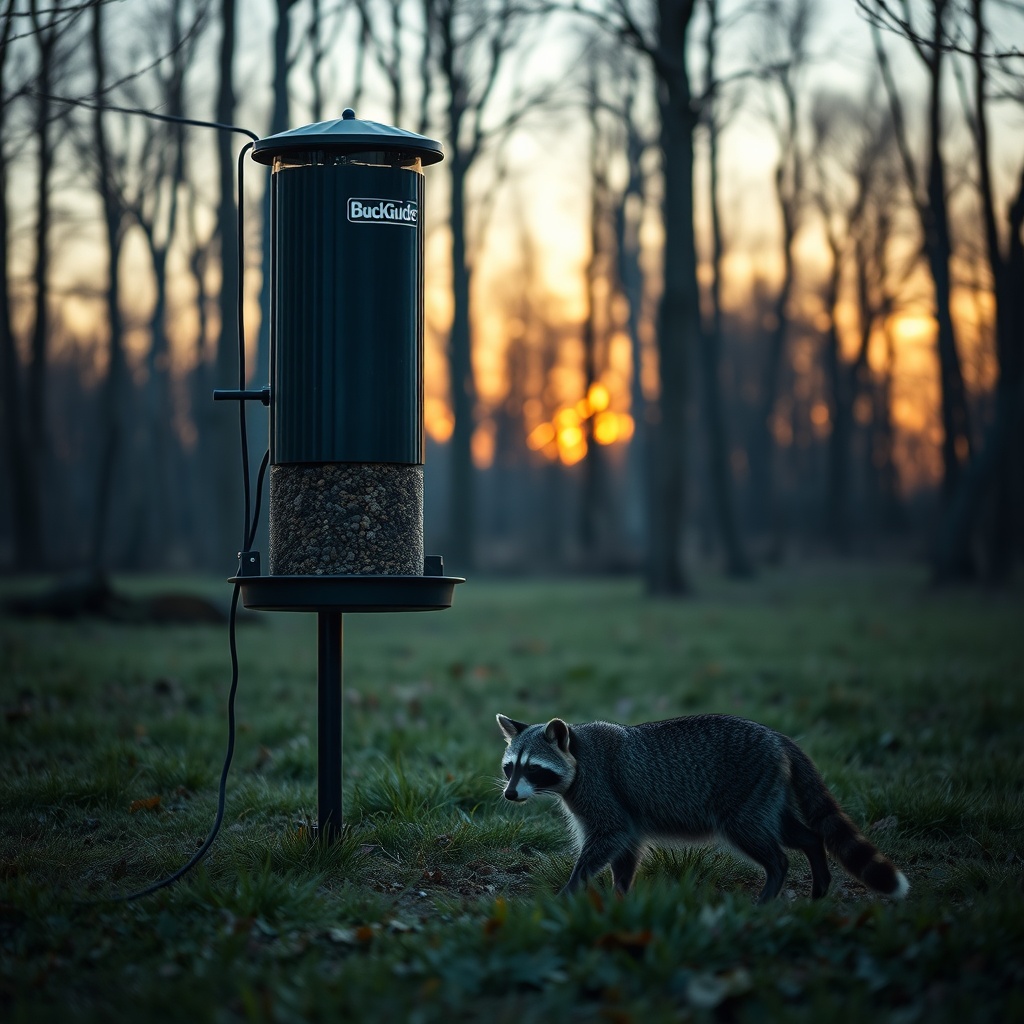
How Do I Install a Varmint Cage on the BuckGuide 300lb Spin-Cast Feeder?
The most effective first line of defense is a purpose-built varmint cage. While the BuckGuide 300lb Spin-Cast Feeder includes a basic cage, many owners upgrade to a heavy-gauge welded wire model. Here is a step-by-step installation guide:
- Select the right cage: Purchase a cage specifically designed for the BuckGuide 300lb Spin-Cast Feeder. Generic cages may not align with the spin-cast funnel.
- Disconnect power: Always remove the battery or solar panel connection before working near the spinning plate.
- Remove the feeder funnel: Unlatch the two side clips and lift the funnel straight up. Set it aside on a clean surface.
- Attach cage brackets: Most aftermarket cages use four L-brackets that bolt to the spinner plate housing. Tighten with a 7/16-inch wrench.
- Install the cage: Slide the wire cage over the brackets. Secure with the provided wing nuts. Ensure the cage’s bottom edge sits at least 1 inch above the spinner plate.
- Reassemble feed funnel: Reattach the funnel, ensuring it seats properly over the cage bracket tabs.
A properly installed varmint cage can reduce raccoon access by 85% while allowing corn to flow freely. For larger predators like bears, you will need additional measures discussed in our Best Timer Settings for BuckGuide 300lb Spin-Cast Feeder article to limit feeding times during high-risk periods.
What Is the Best Way to Position a BuckGuide 300lb Feeder to Discourage Varmints?
Placement is critical. Many hunters set their BuckGuide 300lb Spin-Cast Feeder too close to trees or brush lines, giving varmints easy climb access. Follow these positioning rules:
- Minimum 15 feet from trees: This distance prevents squirrels and raccoons from jumping onto the feeder body. Use a tape measure to verify.
- Avoid overhanging branches: Trim any limb that casts shade on the feeder—varmints use branches as highways to the top.
- Elevate the base: Mount the feeder on a 4×4 pressure-treated post at least 6 feet high. The BuckGuide 300lb unit is heavy, so use a post hole digger and concrete.
- Use a feeder stand: A tripod stand lifts the spinner plate to 7 feet, putting it beyond most raccoons’ vertical reach.
If you are comparing placement strategies, see our BuckGuide 300lb Spin-Cast Feeder vs Texas Hunter 450lb Tripod: Which is Better for Large Plots? article for height and stability comparisons.
What Timer Settings Minimize Varmint Theft with the BuckGuide 300lb?
Your feeder timer is your best weapon against varmints. The BuckGuide 300lb Spin-Cast Feeder uses a digital timer that can be programmed in 1-second increments. To reduce varmint access, use aggressive timing:
| Setting | Recommended for Varmint Control | Reason |
|---|---|---|
| Feed Time (seconds) | 4–6 seconds | Short bursts limit the amount of corn on ground at once, reducing time varmints can feed before the plate stops. |
| Feedings per Day | 2 (morning and evening) | Fewer feedings reduces predictability. Avoid midday feeds when squirrels are most active. |
| Time of Day | 1 hour before sunrise and 1 hour before sunset | Align with deer movement; varmints are less likely to be active at these times. |
| Delay Between Spins | 2 seconds | Prevents plate from spinning continuously after varmint triggers sensor. |
These settings, combined with our Best Timer Settings for BuckGuide 300lb Spin-Cast Feeder guide, will keep varmints guessing while deer get consistent feed.
Can I Use Repellents or Deterrents Near the BuckGuide 300lb Feeder?
Yes, but with caution. Chemical repellents can deter both varmints and deer if used improperly. Here are safe options:
- Capsaicin-based granules: Sprinkle around the feeder base, but not on the corn itself. Raccoons hate the burn, but deer are less sensitive.
- Predator urine granules: Coyote or fox urine can be effective for 2–3 weeks. Reapply after rain.
- Motion-activated sprinklers: Place at 20 feet from the feeder. They startle varmints without harming deer.
- Solar-powered flashing lights: Mount on feeder legs. Raccoons are nocturnal and dislike unexpected light bursts.
Avoid ammonia-soaked rags near the feeder—they can cause respiratory harm to deer and are not recommended by wildlife biologists. Also, never use mothballs, which are toxic and illegal for outdoor use in many states.
What Owners Say About Varmint Control with the BuckGuide 300lb Spin-Cast Feeder
Feedback from real users highlights both strengths and weaknesses. On a popular hunting forum, one member wrote: “I installed a heavy-duty cage on my BuckGuide 300lb and lost zero corn to coons this season. The key was adjusting the timer to 5-second bursts at dawn only.” Another owner noted: “The included cage works fine for squirrels, but coons reach around it. Upgrade to the 14-gauge welded model.”
A third owner shared a creative solution: “I wrapped the feeder legs with a 12-inch band of sheet metal. Varmints can’t climb it. Simple and cheap.” Overall, owners agree that the BuckGuide 300lb Spin-Cast Feeder is a solid platform for varmint control when paired with the right accessories and timer settings.
Frequently Asked Questions
Q: Does the BuckGuide 300lb Spin-Cast Feeder come with a varmint cage?
A: Yes, it includes a basic wire cage. However, many owners upgrade to a heavier gauge cage for better raccoon resistance.
Q: How high should I mount the BuckGuide 300lb feeder to stop raccoons?
A: Mount the spinner plate at least 7 feet off the ground. Raccoons can jump up to 6 feet, so 7 feet gives a buffer.
Q: Will varmint deterrents like coyote urine affect deer behavior?
A: Deer are naturally cautious around predator smells, but they will still approach if the feed is consistent. Place urine at least 20 feet from the feeder.
Q: Can I set the timer to feed only at night to avoid varmints?
A: Yes, the timer allows night-only feeding. However, deer feed best during twilight hours, so a sunset feed is often more effective.
Q: How much corn can a raccoon family steal in one night from a BuckGuide 300lb feeder?
A: A family of four raccoons can empty 20–30 pounds per night if the feeder is unprotected. A varmint cage reduces this to near zero.
Q: Does the spin-cast mechanism attract varmints more than drop feeders?
A: Yes, the spinning motion and sound draw curious varmints. A drop tube feeder is quieter, but the BuckGuide 300lb’s coverage is superior for deer.