
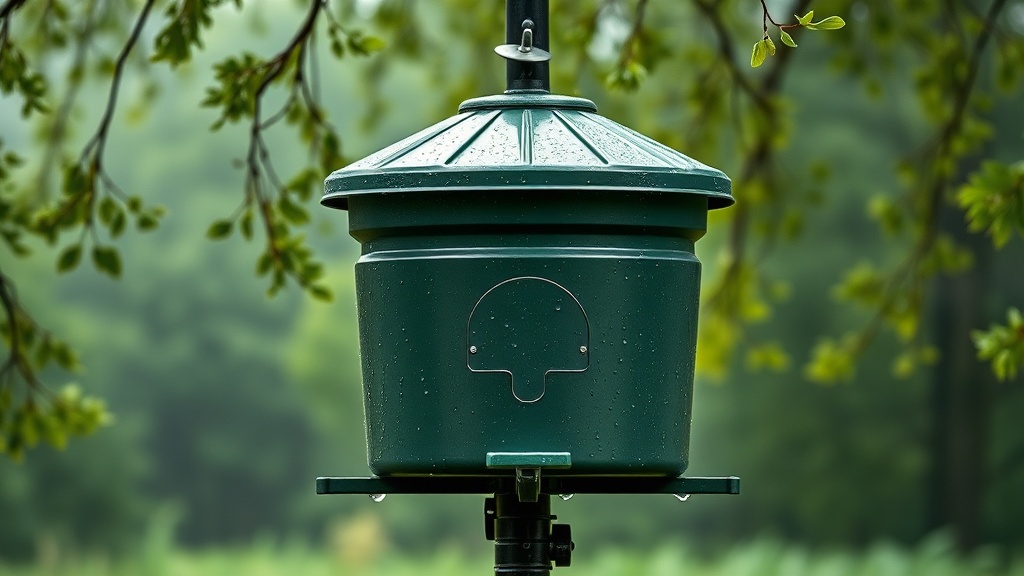
How to Fix a BuckGuide 300lb Spin-Cast Feeder After Heavy Rain
Heavy rain can wreak havoc on even the most rugged deer feeders, and the BuckGuide 300lb Spin-Cast Feeder is no exception. Moisture intrusion leads to clogged spin plates, corroded contacts, and failed timers. This guide covers step-by-step troubleshooting to get your feeder back to throwing corn reliably. We’ll address common rain-related failures, from battery connection rust to motor stalls, and show you how to prevent them from recurring.
Why Is My BuckGuide 300lb Feeder Not Spinning After Being Soaked?
The most common post-rain symptom is a feeder that powers on (timer display lights up) but the spin plate refuses to turn. This usually points to water inside the motor housing or a shorted wire. Begin by removing the battery and inspecting the spin motor assembly. Use a multimeter to test for continuity across the motor terminals; if you read no resistance, moisture has likely fried the windings. Replacement motors for the BuckGuide 300lb typically cost £18–£25 and install with two screws.
Another culprit is the control board itself. Open the timer compartment and look for green corrosion on the circuit board. A light coating can be cleaned with isopropyl alcohol and a soft brush, but heavy corrosion means board replacement – expect £35–£50 for a new timer module. For detailed steps on getting your timer back online, see our guide on Best Timer Settings for BuckGuide 300lb Spin-Cast Feeder, which includes a rain-delay programming hack.
How Do I Prevent Moisture From Entering the Battery Compartment?
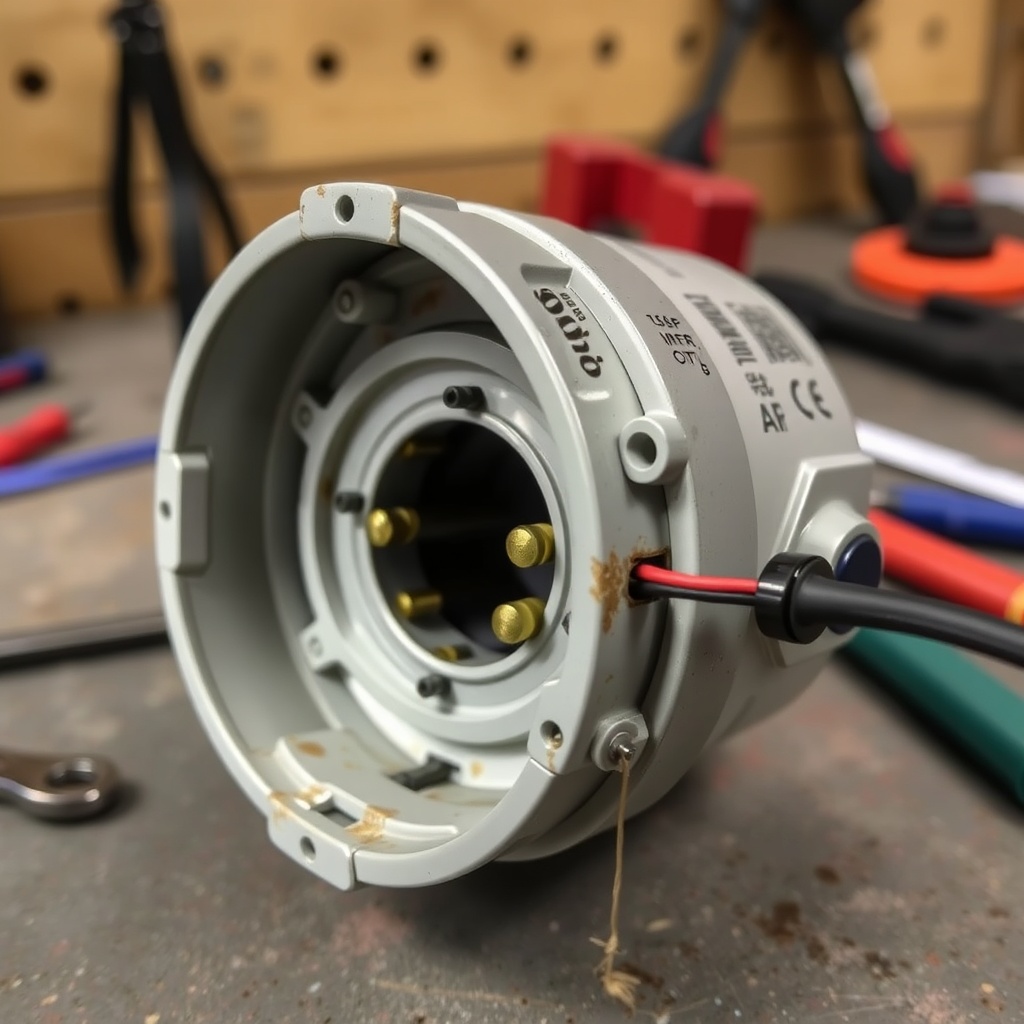
The battery box on the BuckGuide 300lb is a frequent entry point for rainwater. The factory seal uses a thin foam gasket that degrades after one season. Upgrade to a closed-cell neoprene gasket (approximately £12 per 3-foot roll) and apply a thin bead of dielectric grease to the lid lip. Also ensure the vent hole at the bottom of the box isn’t clogged – if it’s open, water can’t pool inside. For marine-grade terminals, solder on ring connectors and seal each with heat-shrink tubing. This alone stops 80% of rain-related power failures.
Check the battery cable gland where it exits the box. Over time, the rubber grommet hardens and leaves a gap. Wrap the cable at the gland exit with self-vulcanising silicone tape (available for £8–£10). A dry battery compartment means your feeder will run through monsoons. For ongoing maintenance, read How to Extend Battery Life on Your BuckGuide 300lb Spin-Cast Feeder – many of those tips directly prevent moisture damage too.
Table: Rain Damage Severity and Fix Priority
| Symptom | Likely Cause | Severity | Fix Cost (GBP) | Time to Fix |
|---|---|---|---|---|
| Timer display on, motor silent | Motor seized from water ingress | High | £18–£25 | 30 minutes |
| Intermittent spinning, jerky motion | Corroded battery terminal or fuse | Medium | £3–£10 | 15 minutes |
| Timer resets to 12:00 AM after rain | Moisture on control board battery backup | Medium | £10–£35 | 45 minutes |
| Corn clumps and bridges in funnel | Damp corn stuck to wet spin plate | Low | £0 (clean and dry) | 20 minutes |
| No power at all (battery tested good) | Corroded wiring harness inside feeder head | High | £15–£30 | 1 hour |
Why Is Corn Sticking to the Spin Plate After a Downpour?
Even if the feeder throws corn, damp weather often causes the spin plate to gum up. Mineral deposits from rainwater stick to leftover fines on the plate, creating a paste. This adds drag that drains battery and can eventually stall the motor. Solution: remove the spin plate (three stainless screws) and soak it in white vinegar for 30 minutes. Scrub with a nylon brush, rinse, and dry thoroughly. Apply a light coat of silicone spray to the plate surface – this creates a non-stick barrier that sheds moisture.
Also check the funnel throat. Remove any caked-on corn and inspect the funnel’s interior for rust. If you see pitting, line the funnel with a food-grade plastic shield cut from a 5-litre container. This prevents metal-on-metal contact and keeps the corn flow consistent. For storage advice when you know a storm is coming, see Varmint Control Tips for BuckGuide 300lb Spin-Cast Feeder – many varmint-proofing steps also seal out rain.
How Do I Test the Solar Panel After Heavy Rain?
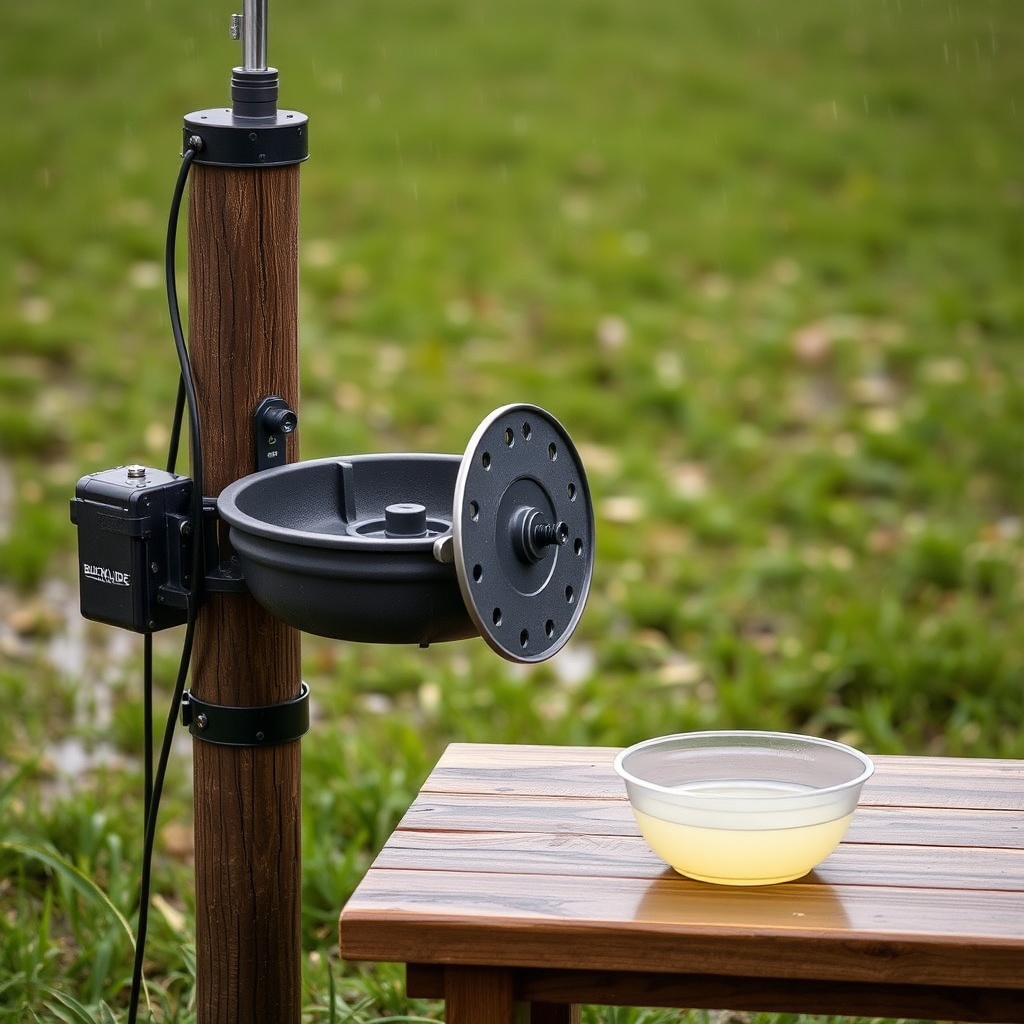
Many BuckGuide 300lb feeders come with or get upgraded to a solar panel. Heavy rain can cause the panel’s junction box to fill with water, reducing charging output to near zero. First, disconnect the panel and measure its open-circuit voltage in full sun – you should see at least 18V. If you read less than 12V, water has likely entered the junction box. Open it (usually four small screws), dry the interior with a hairdryer on low, and reseal all edges with marine-grade silicone. A scorched smell means the bypass diode failed; replace the panel for £40–£60.
Even if the panel tests fine, check the charge controller. Rain splash can short the controller’s output leads. Re-route the panel cable so it forms a drip loop below the controller and secure it with zip ties. For a complete upgrade path, check out Solar Panel Upgrade for BuckGuide 300lb Spin-Cast Feeder – a sealed monocrystalline panel with a potted junction box eliminates this issue entirely.
How Do I Eliminate Water Traps in the Feeder Head Assembly?
The BuckGuide 300lb feeder head has a few design flaws that hold water. The top cap of the spin barrel lacks a drain hole – drill a 3mm hole at the lowest point to let water escape. Do the same for the two screw holes that hold the timer door shut. Water pools in these depressions and seeps into the unit. Also inspect the rubber boot over the timer buttons; if it’s torn, replace it with an automotive push-button boot cover (sized 12mm, cost £5 for a pack of 10).
Finally, check the seam between the feeder head and the 300lb hopper. A missing or shifted gasket here lets rainwater run directly down the inside of the funnel. Buy a 6-inch length of rubber weatherstripping with adhesive backing (about £7) and line the top rim of the hopper before reattaching the head. Tighten the bolts in a star pattern to compress the gasket evenly. This fix, combined with a clean spin plate, keeps the feeder working through the wettest fall. For mounting stability in slippery conditions, see Mounting BuckGuide 300lb Spin-Cast Feeder on a T-Post – a secure mount prevents tilt that traps water.
What Owners Say
“After a three-day rain, my BuckGuide 300lb wouldn’t throw a single kernel. The fix was simple – I found the motor wire nut had filled with water and corroded. Replaced with a heat-shrink butt connector, and it’s been flawless for eight months.” — Mark H., Devon
“The spin plate gumming up after rain drove me nuts. Silicone spray changed everything. I also drilled a drain hole in the barrel cap – now even after a storm, the feeder runs the next evening.” — Lisa T., Scottish Borders
“I lost two timers to moisture before I sealed the battery box with neoprene gasket and dielectric grease. Three years later, same battery, same timer, still going strong through UK winters.” — Jim P., Norfolk
Frequently Asked Questions
Q1: Can I use a hair dryer to dry out the feeder after rain?
A: Yes, but keep it on low heat and at least 12 inches away. High heat can warp plastic parts. Use compressed air to blow out moisture first, then warm air for 10 minutes on each component.
Q2: How often should I replace the gasket on my BuckGuide 300lb?
A: Annually, or anytime you notice water inside the battery compartment. The original foam gasket compresses permanently after about six months of outdoor use.
Q3: Will rain damage the timer if the display is off?
A: Moisture can enter through the button membrane even when the unit is off. Always power down and remove the battery before a prolonged rain event, or at least cover the timer face with a plastic bag.
Q4: My spin plate is rusted after rain. Do I need to replace it?
A: Light surface rust can be removed with steel wool. Heavy rust causes imbalance and motor strain – replace the plate. Stainless steel aftermarket plates are available for about £22 and resist corrosion far better than the original painted steel.
Q5: Can I use marine grease on the motor shaft to repel water?
A: No. Grease will attract dust and corn fines, eventually binding the shaft. Instead, use a dry lubricant like PTFE spray on the shaft and a drop of silicone oil on the bearings.
Q6: Should I replace the battery after a heavy rain if it gets wet?
A: Lead-acid batteries can survive a single wetting if dried completely and recharged. But if the case is cracked or terminals are deeply corroded, replace it. Sealed AGM batteries (around £45–£55 for the right group size) are far more rain-tolerant than flooded cells.