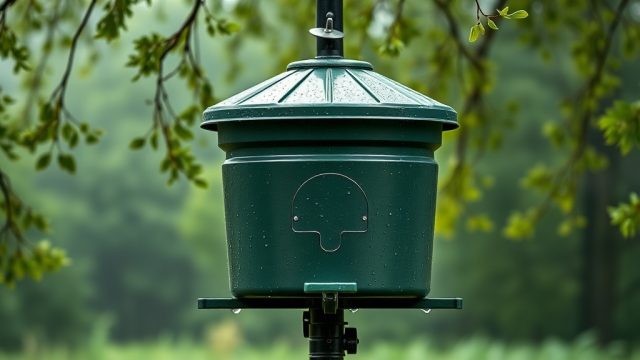

Battery Replacement Guide for BuckGuide 300lb Spin-Cast Feeder
When the BuckGuide 300lb Spin-Cast Feeder begins to falter mid-season, the culprit is almost always a depleted battery. This guide walks through troubleshooting common power issues, from testing voltage to choosing the right replacement, ensuring your feeder keeps spinning corn without interruption. Whether you’re prepping for a hunt or maintaining year-round nutrition, mastering battery care is essential for reliable performance.
How Do I Know If My Battery Is Dead or Just Weak?
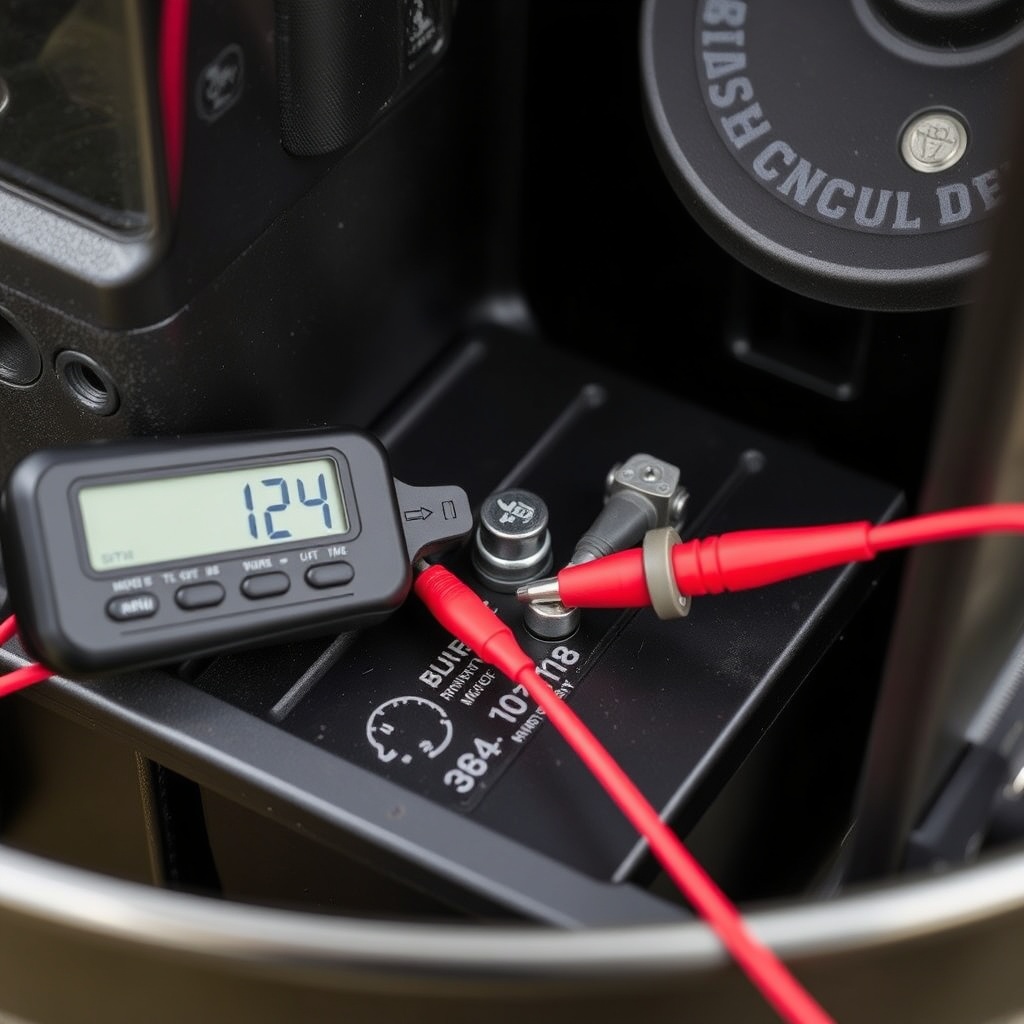
Before you buy a new battery, confirm the issue. A dead battery won’t power the timer at all, while a weak one may spin the spinner plate slowly or skip scheduled feed times. Use a multimeter to check voltage: a fully charged 12V deep-cycle battery reads 12.6–12.8 volts; anything below 12.4V suggests partial discharge. If the voltage drops below 12.0V under load (when the motor runs), the battery is too weak. Also inspect for corrosion on terminals—white powder or green crust indicates a bad connection that mimics a dead battery.
What Size Battery Does the BuckGuide 300lb Spin-Cast Feeder Take?
The BuckGuide 300lb Spin-Cast Feeder uses a standard 12V deep-cycle battery, typically in Group U1 or Group 22NF form factor. Most owners choose a 12V 7Ah sealed lead-acid (SLA) battery for compact fit or a 12V 18Ah for extended run time. The battery box inside the feeder is roughly 7.9″ x 5.1″ x 6.1″, so measure before buying. Never use a car starting battery—deep-cycle batteries handle repeated discharge better. For remote setups, consider the Solar Panel Upgrade for BuckGuide 300lb Spin-Cast Feeder to reduce drain.
| Battery Type | Dimensions (LxWxH) | Capacity | Typical Price (USD) | Run Time (1 feed/day) |
|---|---|---|---|---|
| 12V 7Ah SLA | 5.9″ x 2.6″ x 3.8″ | 7 amp-hours | $18–$25 | 4–6 weeks |
| 12V 12Ah SLA | 5.9″ x 3.9″ x 3.9″ | 12 amp-hours | $28–$35 | 8–12 weeks |
| 12V 18Ah AGM | 7.1″ x 3.0″ x 6.6″ | 18 amp-hours | $45–$60 | 12–16 weeks |
| 12V 9Ah LiFePO4 | 5.9″ x 2.6″ x 4.9″ | 9 amp-hours | $55–$75 | 8–10 weeks |
How Do I Replace the Battery Without Breaking the Feeder?
Replacing the battery is straightforward. First, disconnect the negative (black) wire from the old battery, then the positive (red). Lift the old battery out—use a strap if it’s stuck. Place the new battery in the tray, ensuring terminal orientation matches. Reconnect positive first, then negative. Tighten terminals with a 10mm wrench, but don’t overtighten—strip-prone plastic nuts are common. Spray terminals with anti-corrosion spray. Finally, reset the timer according to the Best Timer Settings for BuckGuide 300lb Spin-Cast Feeder guide to avoid missed feeds.
Why Does My New Battery Die After Only a Week?
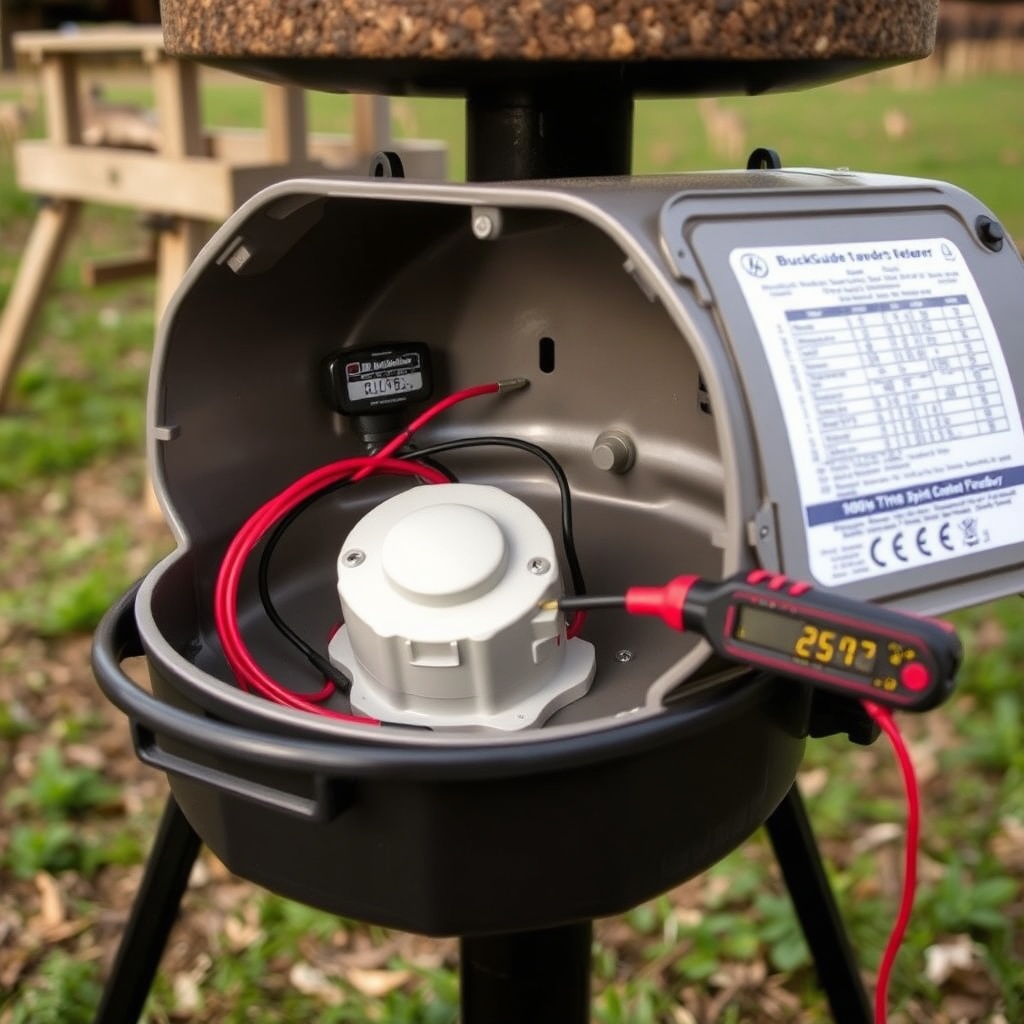
A fresh battery draining quickly points to one of three issues: a parasitic draw from the timer, a faulty motor, or a charging problem. Test the timer by disconnecting it—if the battery holds charge, the timer is faulty. Check the motor by spinning the plate manually; if it grinds, it’s pulling excess current. For solar setups, ensure the panel isn’t shaded and the charge controller is working. A blown fuse (usually 3A or 5A) can also prevent charging. Many owners upgrade to Varmint Control Tips for BuckGuide 300lb Spin-Cast Feeder to prevent rodent damage to wires that cause short circuits.
Can I Use a Lithium Battery for Longer Life?
Yes, lithium iron phosphate (LiFePO4) batteries are excellent for the BuckGuide 300lb Spin-Cast Feeder, offering three times the cycle life of lead-acid. They weigh half as much and maintain voltage longer in cold weather. However, lithium batteries require a compatible charger—standard lead-acid chargers can damage them. The upfront cost is higher ($55–$75 for 9Ah), but over four seasons, they pay off. For maximum efficiency, pair with a solar panel kit from the Solar Panel Upgrade for BuckGuide 300lb Spin-Cast Feeder. Note: lithium batteries have built-in BMS (battery management system) that may shut off in extreme cold—below 20°F, stick with AGM if your area sees harsh winters.
What Owners Say
Deer hunters and land managers have reported mixed but generally positive experiences with battery replacement on the BuckGuide 300lb Spin-Cast Feeder. One owner in Texas noted, “After three years, the stock SLA battery gave out. I swapped to a 12Ah AGM, and now I only refill every three months.” Another from Wisconsin shared, “The tray is tight for larger batteries—I had to file the edges of a 18Ah unit to fit. But the feeder runs consistently even in heavy rain.” A third user in Alabama praised lithium: “Switched to a 9Ah LiFePO4 and paired with a 10W solar panel—haven’t touched it in six months.” Common criticisms include the flimsy terminal screws that strip easily and the lack of a built-in low-voltage cutoff, which can damage batteries if left drained. For those mounting on uneven terrain, see Mounting BuckGuide 300lb Spin-Cast Feeder on a T-Post for stabilization tips.
Frequently Asked Questions
Can I jump-start a dead battery on the feeder?
Yes, you can use a 12V car battery or portable jump pack, but only briefly to test the timer. Prolonged jump-starting can overheat the feeder’s wiring. Always replace the battery if it’s below 12.0V after charging.
How often should I replace the battery?
With standard use (two feedings per day), replace the battery every 1–2 seasons. Lithium batteries last 3–4 seasons. Signs include slow spinner plate movement or missed feeds.
What happens if I use a battery with wrong polarity?
Reversing polarity can fry the timer board instantly. Always match red to positive (+) and black to negative (-). If you see smoke or smell burning, disconnect immediately and check for fuse damage.
Can I extend battery life by reducing feed frequency?
Absolutely. Reducing from three to one feeding per day can double battery life. Adjust settings via the timer—use the Best Timer Settings for BuckGuide 300lb Spin-Cast Feeder for efficient scheduling.
Is a solar panel necessary for the feeder?
Not required, but highly recommended for remote setups. A 10W solar panel keeps a 12Ah battery fully charged in sunny climates. Without it, you’ll need to replace batteries every 6–8 weeks in heavy use.
Where can I buy a replacement battery for the BuckGuide 300lb?
Batteries are available at big-box retailers like Walmart ($20–$40), outdoor supply stores, or online via Amazon or specialty feeder shops. Stick to deep-cycle marine or SLA types for best results.