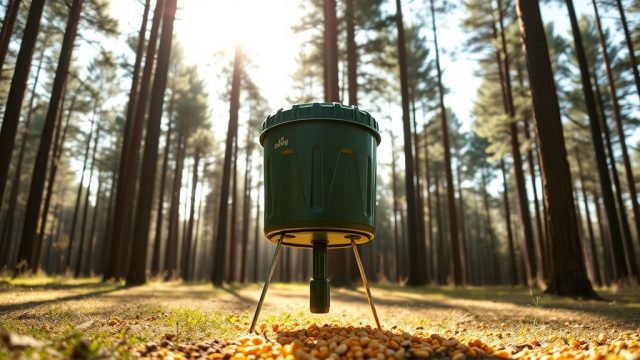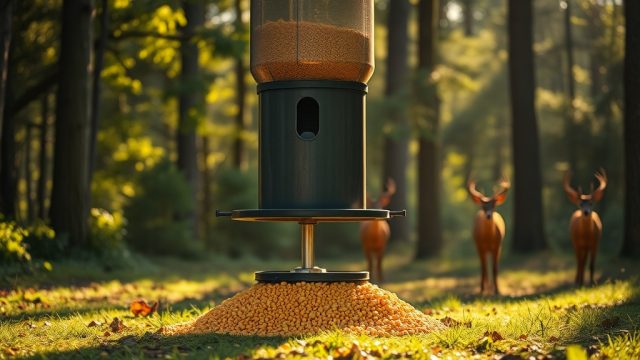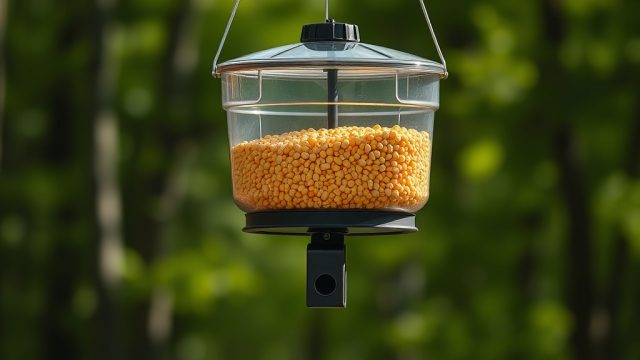
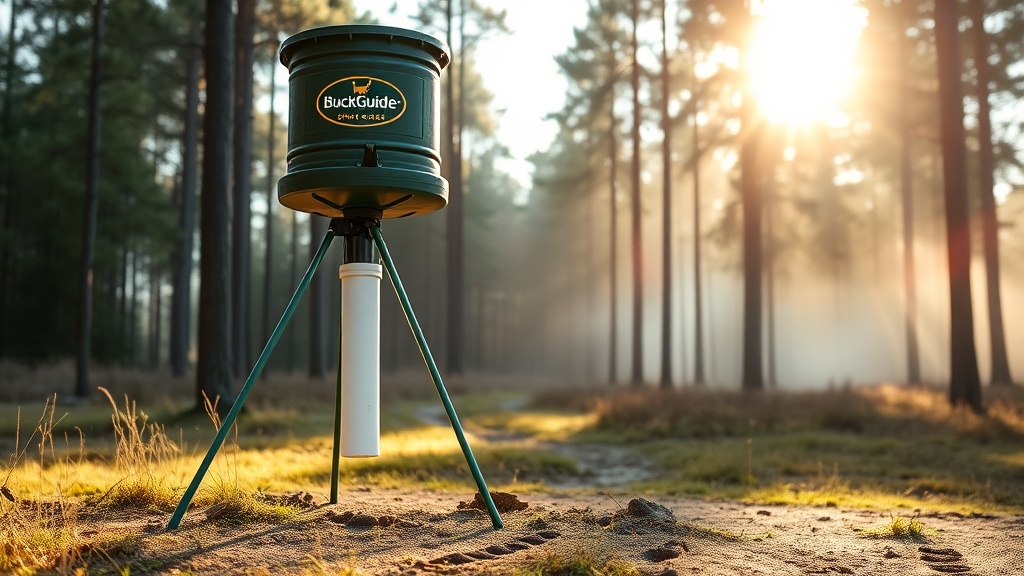
Why Would I Want to Convert My BuckGuide 300lb Spin-Cast Feeder to a Gravity Feed System?
If you own a BuckGuide 300lb Spin-Cast Feeder, you know it’s a robust unit designed for timed dispersal of corn, protein pellets, or other grains. However, many hunters and land managers find that a gravity feed system offers distinct advantages in certain scenarios. Converting your spin-cast feeder to a gravity feed eliminates the need for batteries, timers, and spinning mechanisms, relying instead on simple, passive flow. This can save you time on maintenance, reduce mechanical failures, and ensure consistent feeding even when you’re away from the property for weeks. The conversion is straightforward and can be completed in a few hours with standard tools, making it a popular upgrade for those who prefer a low-tech, high-reliability option.
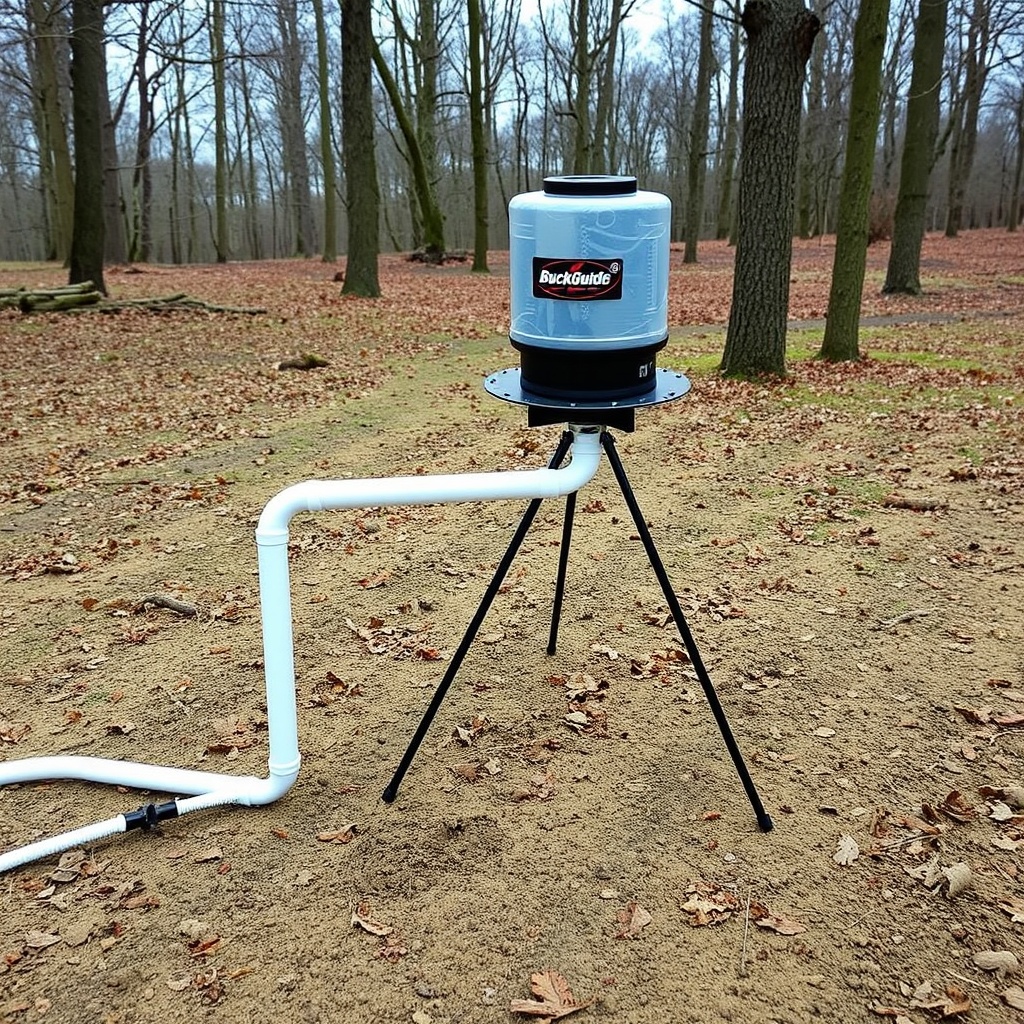
What Tools and Materials Do I Need for the Gravity Feed Conversion?
Before starting, gather the following items. Most are available at your local hardware store or online. The total cost is typically between $30 and $60 USD, depending on material choices.
- BuckGuide 300lb Spin-Cast Feeder (unmodified)
- 4-inch diameter PVC pipe (8-10 feet length) – schedule 40 for durability
- 4-inch PVC cap (1 piece)
- 4-inch PVC cleanout adapter with plug (for easy cleaning)
- Heavy-duty metal bracket or hose clamp (to secure PVC to feeder leg)
- Stainless steel screws (8-10, 1.5-inch length)
- Drill with 1/4-inch and 1/8-inch bits
- Screwdriver or impact driver
- Measuring tape
- Safety glasses and gloves
Step-by-Step: How Do I Remove the Spin-Cast Mechanism?
The first task is to disable the spinning components. This is critical to ensure the feeder can gravity-feed without obstruction. Follow these steps carefully:
- Empty the feeder: Remove all remaining feed from the hopper to reduce weight and prevent spillage.
- Disconnect the battery: Unplug the battery leads from the timer control box. Remove the battery and store it separately to avoid corrosion.
- Detach the spinner motor: The motor is mounted beneath the hopper, secured by four bolts. Use a socket wrench to remove them, then gently pull the motor free. You may need to cut any zip ties holding wires.
- Remove the spinner plate: The metal or plastic plate that flings feed outward is held by a cotter pin or nut. Remove it and set aside. You will not reuse these parts.
- Seal the motor mount hole: The opening where the motor shaft passed through can leak. Cover it with a 4-inch metal patch or use a rubber plug with silicone sealant. Let it cure for 2 hours.
Once the spin-cast components are gone, the feeder is essentially a simple hopper with an open bottom. Your next step is to direct that flow.
How Do I Install the Gravity Feed Tube?
This is the core of the conversion. The PVC pipe will act as a downspout, channeling feed from the hopper to a ground-level access point. Precision is key to avoid jamming.
| Material | Cost (USD) | Durability | Ease of Installation | Feed Flow Rate |
|---|---|---|---|---|
| 4-inch PVC (Schedule 40) | $12-$18 per 10 ft | Excellent (UV resistant) | Moderate (requires cutting) | High (corn, pellets) |
| 4-inch ABS pipe | $15-$22 per 10 ft | Good (brittle in cold) | Easy (glues quickly) | High |
| 3-inch PVC (alternative) | $8-$12 per 10 ft | Good | Easy | Moderate (may clog with larger corn) |
| Metal downspout (4-inch) | $25-$35 per 10 ft | Excellent (rust-resistant if galvanized) | Harder (needs metal saw) | High |
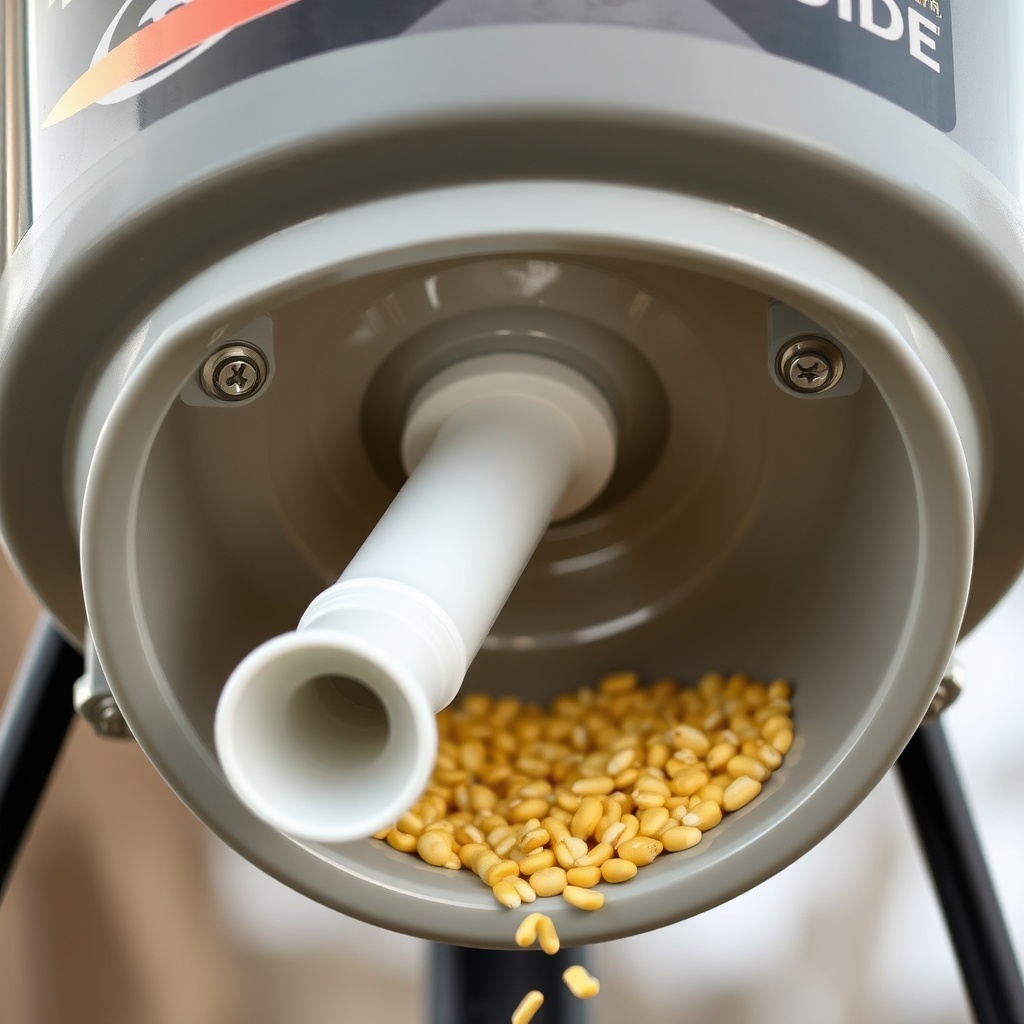
Installation Steps: Measure from the bottom of the hopper outlet to the ground. Cut your PVC pipe to that length plus 6 inches. Attach the cleanout adapter to one end, then slide the pipe onto the hopper opening. Use stainless steel screws to drill through the PVC into the hopper lip (pre-drill holes first). Secure the pipe to the feeder leg using heavy-duty metal brackets every 2 feet. Finally, cap the bottom end of the pipe with the PVC cap—drill a 1-inch hole in the cap to allow feed to trickle out slowly, or leave it open for full gravity flow. Test with a bucket of corn to ensure no blockages.
What Owners Say About the Gravity Feed Conversion
Hunters who have performed this conversion on their BuckGuide 300lb Spin-Cast Feeder report consistent satisfaction. Many note the elimination of battery-related failures, especially in cold climates where batteries drain quickly. One land manager in Texas comments, “I converted three feeders last season. No more timers to set, no more batteries to change. I just fill the hopper, and the deer get a steady supply. It took one afternoon per feeder.” Another user in Michigan adds, “The gravity feed system works great for attracting does and fawns. The only downside is that if you get heavy rain, the feed can get wet at the base. I added a small roof over the outlet.” Overall, the conversion is praised for its simplicity and reliability, with many owners recommending it for remote properties.
How Does This Conversion Affect Feed Wastage and Deer Behavior?
A gravity feed system changes how deer interact with the feeder. With spin-cast, feed is scattered over a 20-30 foot radius, which can attract multiple animals but also leads to some waste in grass or mud. With gravity feed, the feed accumulates in a pile directly under the feeder. This concentrates feeding, reducing waste by an estimated 15-20% according to user reports. Deer typically adapt within 2-3 days. Some hunters note that dominant bucks may monopolize the pile, but this can be mitigated by placing the feeder near a tree line or using multiple conversion points. For tips on reducing squirrel interference, see our guide on How to Make Your BuckGuide 300lb Spin-Cast Feeder Squirrel-Proof.
Frequently Asked Questions
Q1: Will converting to gravity feed void my BuckGuide warranty?
A: Yes, modifying the feeder typically voids any manufacturer warranty. However, the conversion uses simple materials, and the original spin-cast parts can be reinstalled if needed. Check your warranty terms before proceeding.
Q2: How much feed does a 300lb capacity gravity feeder hold?
A: The hopper retains its full 300-pound capacity. With gravity feed, you can expect around 2-3 weeks of continuous feeding for a small herd, depending on consumption rates.
Q3: Can I use this setup for protein pellets?
A: Yes, but ensure the pellet size is ≤3/8 inch to prevent bridging in the PVC pipe. Corn and mixed grains work best. For troubleshooting, refer to our Troubleshooting Common Issues article.
Q4: How do I clean the gravity tube?
A: Use the cleanout adapter. Unscrew the plug, then run a flexible brush or water hose through the pipe. Allow to dry before refilling.
Q5: Will this conversion work on uneven ground?
A: Yes, but you may need to adjust the leg height or add a leveling bracket. The gravity tube should be as vertical as possible to avoid feed blockages.
Q6: Can I convert back to spin-cast later?
A: Yes, if you kept all original parts. Remove the PVC tube and reinstall the motor and spinner plate. You may need to reseal any holes you drilled. For more details on remote management, see Remote Programming Guide.