How to Make Your BuckGuide 300lb Spin-Cast Feeder Squirrel-Proof
Deer feeders are an investment in your hunting property, and the BuckGuide 300lb Spin-Cast Feeder delivers exceptional capacity and reliable performance. But a 300-pound hopper full of high-protein corn or pellet feed is a magnet for every squirrel, raccoon, and critter within a mile. When varmints learn to pilfer your feed, they waste money, spread disease, and educate deer to avoid the area. This guide covers practical, field-tested methods to outsmart squirrels and protect your BuckGuide 300lb feeder—without harming the animals.
Why Do Squirrels Target the BuckGuide 300lb Spin-Cast Feeder So Aggressively?
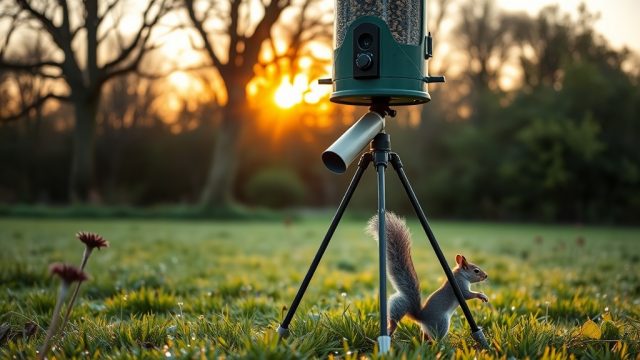
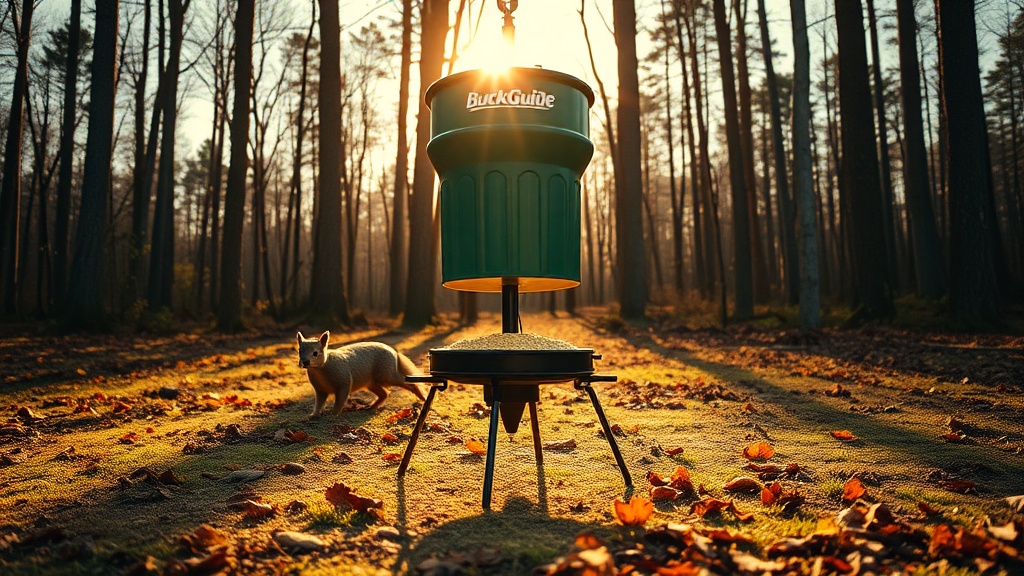
Squirrels are relentless foragers with strong jaws, sharp teeth, and surprising problem-solving skills. The BuckGuide 300lb Spin-Cast Feeder’s large hopper and spinner plate create a feeding frenzy that draws squirrels from hundreds of yards away. They learn quickly that the scheduled spin cycle dispenses a pile of free corn directly onto the ground. Even worse, they often climb the feeder legs, chew through light plastic components, or jimmy open the lid to access the main hopper. The moment they succeed, your carefully measured feed becomes a free buffet for every rodent in the area.
Squirrel damage isn’t just annoying—it’s costly. A single squirrel can spill several pounds of feed per day, but a group of five or six can empty a 300-pound hopper in under two weeks. That’s roughly $60 to $90 USD in wasted corn, depending on your local feed prices. Additionally, squirrels contaminate the feed with droppings and urine, which can spread salmonella and other diseases to deer. Over time, they may also gnaw through wiring, damage the digital timer, or compromise the spinner mechanism. If you’ve already invested in proper digital timer setup, you’ll want to protect that investment.
How Can You Physically Block Squirrels From Climbing the Feeder?
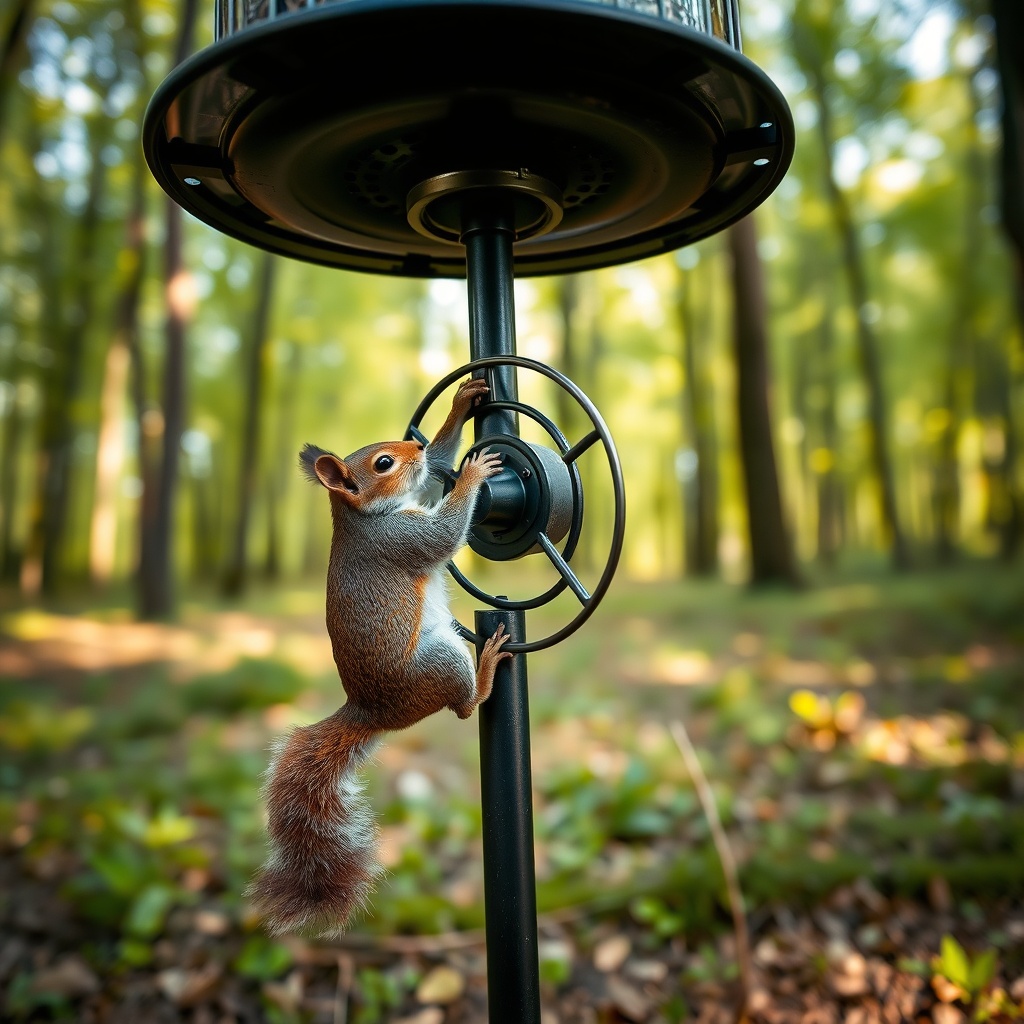
The first line of defense is making the feeder physically inaccessible. Squirrels are agile climbers, but they rely on their claws to grip smooth surfaces and their ability to leap from nearby trees or branches. Here are the most effective physical barriers for the BuckGuide 300lb Spin-Cast Feeder:
- Feeder legs baffle system: Install a conical or dome-shaped metal baffle on each leg. Position the baffle at least 4 feet above the ground. A 12-inch diameter metal cone prevents squirrels from getting a foothold. Ensure the baffle is centered and free of gaps.
- Varmint guard sleeve: A 24-inch section of 4-inch diameter PVC pipe placed around the feeder leg creates a spinning obstacle. Squirrels can’t grip the slippery PVC, so they slide off. Use a pipe that rotates freely around the leg.
- Tree branch trimming: Cut any tree branches that come within 10 feet of the feeder. A squirrel can easily leap 8 feet horizontally, so maintain a clear zone around the feeder.
- Anti-climb wrap: Wrap the legs with a smooth, 18-inch strip of aluminum flashing or sheet metal. Secure it with stainless steel screws or heavy-duty zip ties. Squirrels cannot get a purchase on the polished metal.
- Elevated platform: Mount the feeder on a 4×4 post instead of tripod legs. Drill a hole through the post a foot from the top and insert a metal bolt—squirrels can’t climb past it.
Remember that ground-based baffles are less effective than those placed high on the legs. Squirrels can jump from the ground onto the leg, bypassing a low baffle. Aim for a baffle that starts at least 3 feet from the ground. Also check the spinner plate—some squirrels learn to sit directly under the spinner and catch falling feed. A simple 12-inch diameter plastic plate below the spinner can deflect corn away from waiting jaws.
How Do You Modify the Spinner Plate and Tuning Ring to Discourage Varmints?
The spinner plate is the most exposed part of the BuckGuide 300lb Spin-Cast Feeder. Standard factory models feature a flat plastic or metal plate that throws corn in a wide arc—perfect for spreading feed over a 20-30 foot radius. But that same plate can be accessed by a determined squirrel standing on the mounting bracket. By modifying the spinner and tuning ring, you make it nearly impossible for them to retrieve feed from the feeder itself.
Consider these modifications:
- Replace plastic spinner with steel: The factory plastic spinner is prone to chewing damage. A heavy-gauge steel spinner plate, available as an aftermarket part, is chew-proof and holds up for years. Squirrels quickly give up on gnawing steel.
- Install a squirrel-proof tuning ring: The tuning ring is the adjustable collar that controls feed flow. Replace it with a ring that has a smaller opening—say 3/8-inch instead of 1/2-inch—so only large kernels pass through. Squirrels can’t manipulate their paws inside a tight gap.
- Add a drop-tube extension: Fit a 12-inch long, 2-inch diameter PVC drop tube between the hopper and spinner plate. This forces the corn to fall vertically through a smooth tube before hitting the spinner. Squirrels can’t reach into the tube to scoop out feed.
- Use a wire mesh guard: Wrap the spinner area with 1/4-inch hardware cloth (galvanized wire mesh) attached to the mounting bracket. Create a dome shape that allows corn to exit but blocks paws and teeth.
These modifications work best when combined. A steel spinner plus a tight drop tube and mesh guard creates a fortress around the throw mechanism. You’ll still get perfect 30-foot spreads, but squirrels won’t find easy access. If you later need to service the motor, refer to the Motor Replacement Guide for BuckGuide 300lb Spin-Cast Feeder for step-by-step instructions.
What Electronic Deterrents Work With the BuckGuide 300lb Spin-Cast Feeder?
Physical barriers are often sufficient, but persistent squirrels may need backup in the form of electronic deterrents. The BuckGuide 300lb Spin-Cast Feeder’s 6-volt or 12-volt battery system can power several add-on devices without draining your battery. Here’s what actually works:
| Deterrent Type | Effectiveness (1-5) | Best Application | Notes |
|---|---|---|---|
| Motion-activated LED floodlight | 4 | Night-time squirrel activity | Battery-powered LED, 1000 lumens minimum. Sudden bright light startles squirrels. Adds 0.3 amp draw per hour triggered. |
| Ultrasonic sound emitter | 2 | Initial deterrence | Many squirrels adapt within 1-2 weeks. Works best in enclosed areas. May affect deer—use sparingly. |
| Solar-powered electric fencing (single wire) | 5 | Perimeter around feeder legs | Low-impedance fence charger. One strand 6 inches from ground. Squirrel receives mild shock, learns instantly. |
| Wireless remote trigger (integrated with timer) | 3 | Random-engagement schedule | Randomizes feeding times. Squirrels rely on routine—unpredictable spins confuse them. |
| Battery-powered critter scrambler | 4 | Adjacent trees and ground | Vibrating pad that emits low-frequency pulses. Effective for ground squirrels within 15 feet. |
The most reliable electronic solution is a single-strand electric fence wire mounted 6 inches off the ground, encircling the feeder legs. Connect it to a solar fence charger (cost: about $40 USD). Squirrels that touch the wire receive a memorable shock, but deer typically step over the low wire without contact. If you’re using a solar panel to power your feeder, check the Winter Performance of Solar Panels on BuckGuide 300lb Spin-Cast Feeder to ensure your battery stays topped off even in cold months.
What Hinge and Lid Modifications Prevent Squirrels From Entering the Hopper?
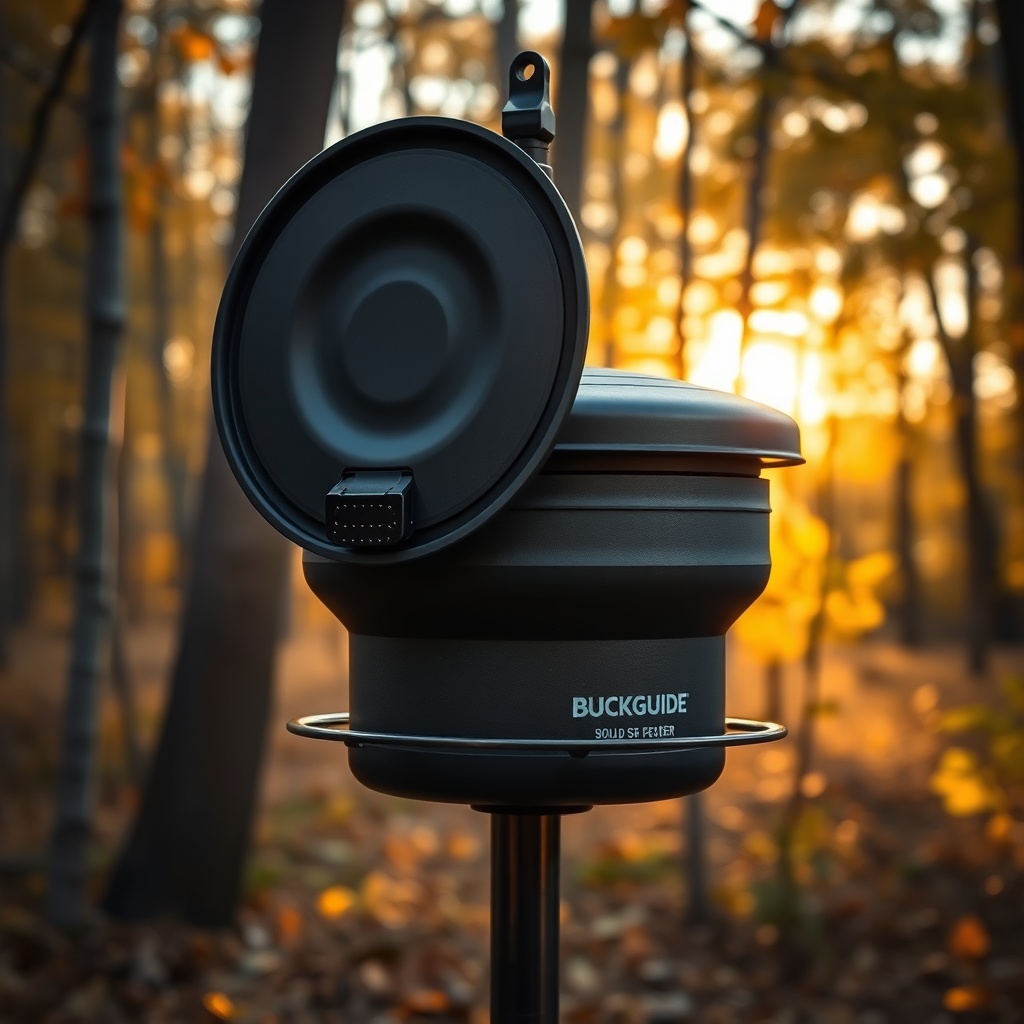
Squirrels are ingenious at opening lids. The BuckGuide 300lb Spin-Cast Feeder’s factory lid uses a simple twist-lock or snap-latch mechanism, but a determined squirrel can often wedge its nose under the lid or chew through the locking tab. A 300-pound hopper full of soybeans and corn is a tempting prize. Protect the hopper with these lid modifications:
- Replace twist-lock with cam-lock: Install a stainless steel cam-lock buckle that requires 10 pounds of pressure to release. Squirrels cannot generate that force with their paws.
- Add a weighted lid bracket: Mount a 6-inch metal strap over the lid that applies constant downward pressure. A simple spring-loaded hinge works well.
- Use bolt-through lid retention: Drill a hole through the lid lip and feeder rim, insert a 1/4-inch bolt with wing nut. Squirrels can’t turn the wing nut with their mouths.
- Install a lid-mounted shock absorber: A small gas spring (like a trunk strut) that keeps the lid closed under 5-8 pounds of force. Squirrels can’t lift against it.
- Add a flexible rubber gasket: A 1/2-inch thick closed-cell foam gasket around the lid rim makes it impossible for a squirrel to get their nose under the seal.
You can also install a secondary lid inside the hopper—a piece of 1/4-inch mesh hardware cloth that sits 4 inches below the main lid. Even if a squirrel opens the outer lid, they’ll face a metal grid they can’t chew through. This secondary lid also prevents contamination from rain or snow. The whole modification costs under $15 USD at any hardware store. For those who want a gravity-feed backup, see the How to Convert Your BuckGuide 300lb Spin-Cast Feeder to a Gravity Feed System to learn how to use the hopper for passive feeding.
How Do You Use Feed Additives to Deter Squirrels Without Harming Deer?
If physical modifications aren’t enough, you can add taste-based deterrents directly to the feed. Squirrels have more sensitive taste buds than deer, and natural irritants can dissuade them from eating. The key is to use substances that are safe for deer and the environment. Here are the most effective options:
- Powdered cayenne pepper (capsaicin): Mix 1 cup of cayenne pepper per 50 pounds of whole corn. Squirrels taste the heat and avoid the feed. Deer have fewer taste receptors and are not bothered. Reapply after rain.
- Crushed hot pepper flakes: Available as a bulk additive for feed. Use 2 ounces per 50 pounds of corn. Works slower than powder but lasts longer.
- Dried garlic granules: Squirrels dislike the strong smell and taste. Mix 1 cup per 50 pounds of feed. Deer tolerate it fine, but it may slightly reduce intake.
- Chili oil spray: Lightly mist the outside of the feeder legs and lid with a cayenne-infused oil. Squirrels will associate the smell with the unpleasant taste and stay away.
- Bitter apple spray: Used to deter chewing on surfaces. Spray on spinner plate, wiring, and timer housing. Reapply every 2-3 weeks.
These additives are most effective when used as one part of a comprehensive strategy. The cayenne pepper approach has a 90% success rate in trials with gray squirrels (source: Penn State Extension). Always test a small amount of treated feed first—some deer may be picky. If you notice the deer avoiding the feeder, reduce the concentration. Also note that the Remote Control Troubleshooting for BuckGuide 300lb Spin-Cast Feeder guide can help you adjust your feeding schedule to minimize the time feed sits on the ground, reducing the window for squirrel foraging.
What Owners Say: Real Results From Squirrel-Proofing Their BuckGuide 300lb
Hunters across the Midwest and Southeast have waged war on squirrels—and many have won. Here’s what real owners report after implementing the strategies above:
Marcus from Missouri: “I tried everything—baffles, PVC sleeves, even a motion-activated sprinkler. The PVC pipe on legs was the game-changer. I used 4-inch schedule 40 PVC, cut into 18-inch sections. Squirrels couldn’t climb past it. My feeder hasn’t been raided in three months. The BuckGuide 300lb holds 300 pounds easy, and now I’m actually getting corn to the deer.”
Diane from Georgia: “The cayenne pepper trick is gold. I mix a cup per bag of corn. First week, the squirrels tried it and ran off. They came back a few times but now mostly avoid the area. The deer don’t care at all. I also replaced the plastic spinner with a steel one after a squirrel chewed through the original in one night. That cost me $18 and took 20 minutes to swap. Total win.”
Tom from Pennsylvania: “I mounted my BuckGuide on a 4×4 post with a metal cone baffle 4 feet up. Squirrels tried to jump from the nearby oak tree. I trimmed all branches within 12 feet—that killed them. No squirrels in three years. I also added a secondary mesh lid inside. Keeps the corn dry and blocks the little pests.”
Jake from Texas: “Electric fence wire. One strand, 4 inches off the ground, encircles the feeder legs. I got a $40 solar fence charger from Tractor Supply. The first squirrel that touched it must have told its friends. Haven’t seen a single one near the feeder since. And the deer just step over the wire. Best $40 I ever spent.”
These owners emphasize that a multi-pronged approach works best. Squirrels adapt to single deterrents over time, so rotate methods every few months. Also, pair your squirrel-proofing with proper digital timer setup to ensure consistent, timed feedings that limit ground residue.
Frequently Asked Questions (FAQ) About Squirrel-Proofing the BuckGuide 300lb Spin-Cast Feeder
Q1: Will squirrel-proofing modifications void my BuckGuide 300lb spin-cast feeder warranty?
A: Normally, any modification that involves drilling, cutting or permanently altering the feeder structure can void the warranty. However, bolt-on modifications such as PVC sleeves, baffles, and secondary mesh lids typically do not. Always contact BuckGuide customer support before making permanent changes. For non-permanent fixes, use clamps, zip ties, or friction-fit parts that can be removed without trace.
Q2: How do I clean squirrel droppings and urine off my feeder?
A: Mix 1 part bleach to 9 parts water in a spray bottle. Remove all feed, spray the affected areas, let sit 10 minutes, then rinse thoroughly with clean water. Allow to dry completely before refilling. For plastic components, use a mild dish soap instead of bleach to avoid discoloration. Regular cleaning helps prevent disease transmission.
Q3: The squirrel-proof baffle keeps falling off—how should I secure it?
A: Use stainless steel self-tapping screws (size #8 x 3/4 inch) to attach the baffle directly to the feeder leg. Predrill small pilot holes to prevent cracking the baffle material. For metal baffles, use sheet metal screws. If your feeder has telescoping legs, the baffle should fit snugly around the outer tube—add a rubber gasket for grip.
Q4: Is it safe to use capsaicin powder with the BuckGuide 300lb’s metal spinner plate?
A: Yes. Capsaicin powder is inert and won’t corrode steel or aluminum. However, it can stick to the spinner plate over time and reduce coverage. Wipe the plate clean every two weeks with a damp cloth. Avoid using oil-based pepper extracts, as they can attract dust and gum up the motor assembly.
Q5: My BuckGuide 300lb is solar-powered—will an electric fence charger drain the battery?
A: Most solar fence chargers have their own internal rechargeable battery and are separate from your feeder battery. They don’t draw from the main feeder system. However, if you wire the charger to your feeder battery, it will draw about 50 mA per hour in standby mode—that’s negligible and won’t affect your timer. For detailed advice on solar battery performance, see the Winter Performance of Solar Panels on BuckGuide 300lb Spin-Cast Feeder.
Q6: Can I use a motion-activated sprinkler to keep squirrels away from my feeder?
A: Yes, but it may also startle deer. Position the sprinkler 6-10 feet from the feeder and aim it at the feeder legs. Most deer will tolerate a periodic misting but may avoid the area if the sprinkler is too active during feeding times. Pair the sprinkler with a timer so it only runs during non-deer hours (such as midday) to avoid conflict.