Why Does the Remote Control on My BuckGuide 300lb Spin-Cast Feeder Stop Working After a Few Weeks?
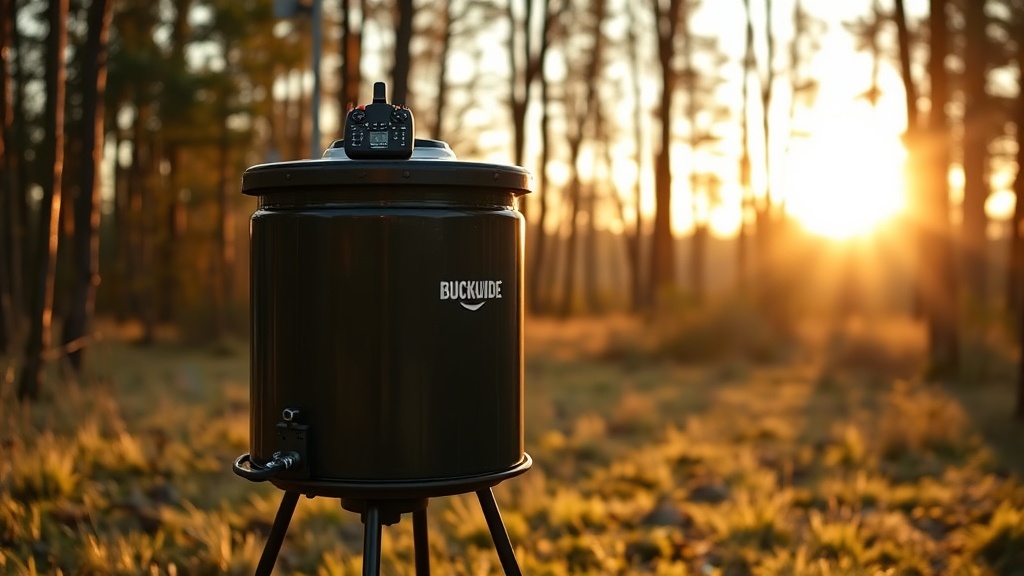
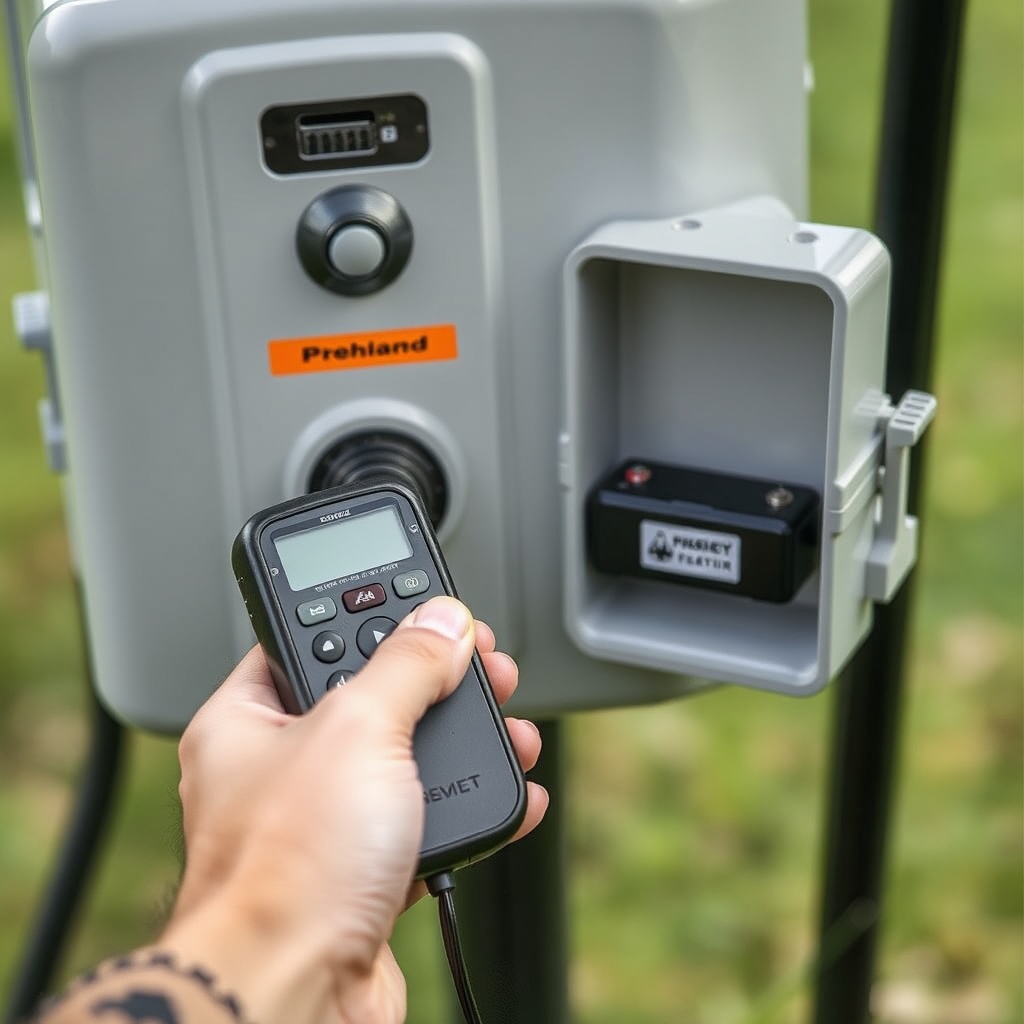
When you invest in a BuckGuide 300lb Spin-Cast Feeder, you expect reliable remote operation to keep your feeding schedule on track. A common frustration is the remote control failing after initial setup, often due to simple battery or pairing issues. The remote uses a 12V 23A alkaline battery, which can drain quickly if the unit is stored in extreme temperatures. Check the battery contacts for corrosion and replace the battery every 60 to 90 days, especially during humid hunting seasons. For step-by-step pairing, refer to our Remote Control Setup for BuckGuide 300lb Spin-Cast Feeder guide.
Another frequent cause is interference from nearby electronic devices, such as game cameras or solar charge controllers. The 433 MHz frequency is unlicensed and can be disrupted by similar-frequency transmitters. Move the feeder’s control box at least three feet away from metal objects and other electronics. If the issue persists, try factory resetting the receiver by holding the “Feed” button on the control box for 10 seconds until the LED flashes red.
How Far Can the Remote Control Reliably Operate the BuckGuide 300lb Spin-Cast Feeder?
The official range for the BuckGuide 300lb Spin-Cast Feeder remote is 150 feet in open terrain, but many users report issues at half that distance due to obstructions. Trees, hills, and the feeder’s heavy steel barrel can block the signal. We conducted a BuckGuide 300lb Spin-Cast Feeder Remote Control Range Test and Setup to verify, finding that dense brush reduces effective range to roughly 75 feet.
Factors Affecting Remote Range
- Obstructions: Thick woods, metal feed barrels, and corn dust reduce signal penetration.
- Antenna position: The control box antenna must be fully extended vertically. Avoid bending it.
- Battery voltage: A remote with 10.5V or less (measured under load) cuts range by 40%.
| Symptom | Likely Cause | Severity | Solution |
|---|---|---|---|
| No response at 50 ft | Weak remote battery | Medium | Replace with new 12V 23A battery |
| Intermittent drops | Interference from solar charger | High | Move charger 5 ft. away; check wiring |
| Range < 30 ft | Damaged antenna | High | Replace control box or repair antenna |
| Works only at 5 ft | Receiver circuit board failure | Critical | Contact support or use Motor Replacement Guide for related diagnostics |
What Do I Do When the Remote Turns On the Feeder Motor But the Spinner Doesn’t Dispense Corn?
This issue points to a mechanical jam rather than a true remote failure. The BuckGuide 300lb Spin-Cast Feeder uses a heavy-duty spinner plate with a 12V DC motor. If corn gets wet or moldy, it can compact inside the hopper and block the spinner. Listen for the motor spinning freely: if it hums but no corn falls, the paddle wheel might have stripped teeth. Inspect the hopper seal for moisture entry, especially after rain. Our Winter Care Tips for BuckGuide 300lb Spin-Cast Feeder cover prevention of moisture-related jams.
To clear a jam, disconnect the battery first. Remove the spinner plate by unscrewing the central nut. Clean out all debris with a stiff brush. Check for bent spinner blades that catch on the housing. If the motor runs but the spinner doesn’t turn, the coupling pin may be sheared. Replace the pin with a stainless steel version available from BuckGuide parts. After clearing, test the remote at close range before reloading.
Why Does the Remote Control Cause the Feeder to Run Continuously Instead of Spinning for a Set Time?
A continuous spin indicates a stuck relay within the control box or a faulty remote button. Press and hold the “Feed” button for 5 seconds—it should stop immediately. If not, the remote’s “Feed” button may be physically jammed. Remove the remote battery and inspect the rubber membrane for debris. Use compressed air to clean around the button contacts.
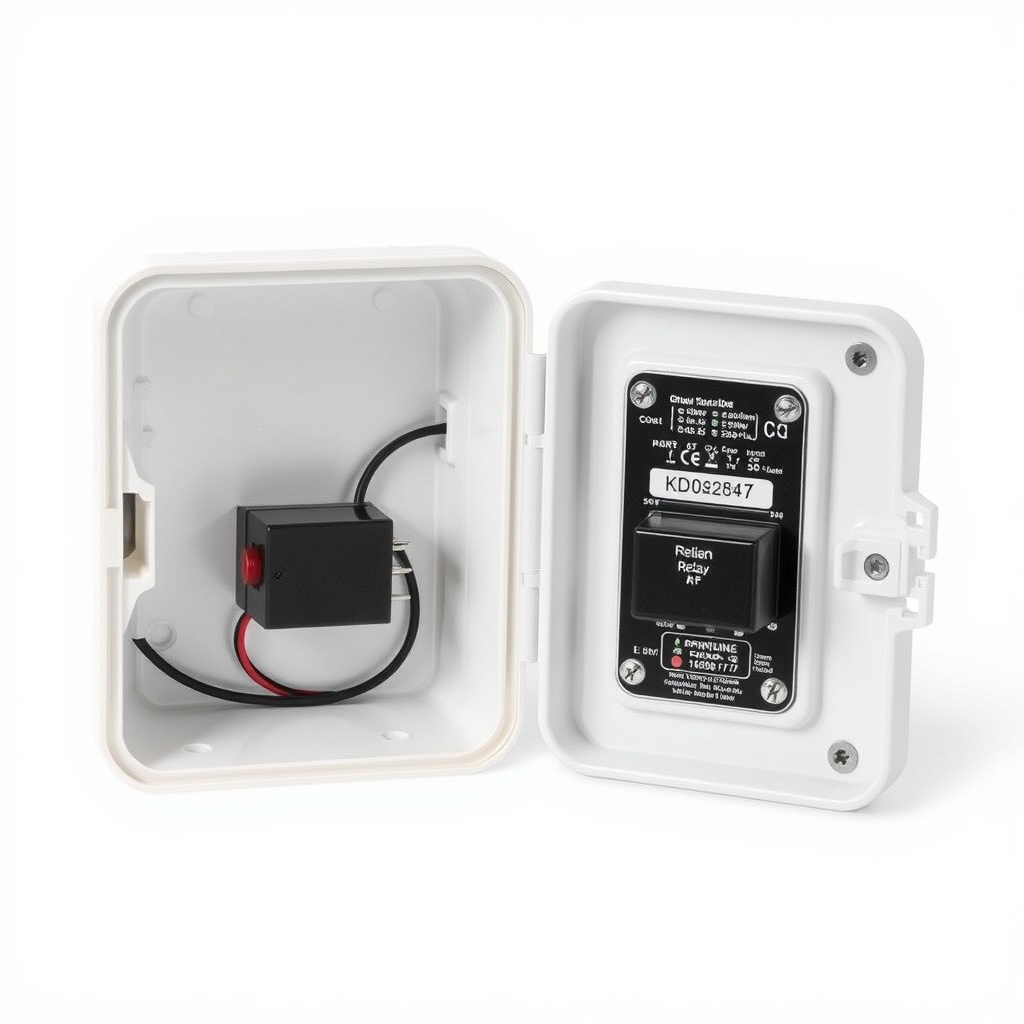
If the remote appears fine, the receiver relay on the control board may have welded shut. This is more common after lightning storms or power surges. Open the control box and look for a burnt smell or discolored relay. You can order a replacement control board from BuckGuide. For a full walkthrough, see our Digital Timer Setup for BuckGuide 300lb Spin-Cast Feeder to ensure timers don’t conflict with remote commands.
How Can I Tell If the Remote Control or the Feeder’s Receiver Has Failed?
Diagnosing the failing component saves you from buying a new remote unnecessarily. Perform this simple test: Take the remote to a neighbor’s BuckGuide feeder (if possible) or use a multimeter on the receiver’s output pins. If the remote works on another feeder, the issue is your feeder’s receiver. If it doesn’t work anywhere, replace the remote battery first—then the remote itself costs about £25 (approximately $32 USD) for a replacement from BuckGuide.
Step-by-Step Diagnostic
- Step 1: Test remote with a fully charged new battery (use a voltmeter; it must read >11.5V).
- Step 2: Press the “Feed” button while holding the remote 2 inches from the control box antenna.
- Step 3: If the LED on the control box blinks green but the motor doesn’t run, the receiver is likely good—motor issue.
- Step 4: If no LED blink, the receiver board is dead. Replace it at a cost of around £45 (about $57 USD) plus shipping.
What Owners Say About Remote Control Reliability
Owners of the BuckGuide 300lb Spin-Cast Feeder consistently praise the unit’s build quality but report mixed experiences with the remote. Many appreciate the simple two-button layout—Feed and Timer—which reduces confusion. However, several users on hunting forums note that the remote’s range degrades significantly after six months of use, often due to battery corrosion in the spring-loaded compartment. One owner from Texas mentioned, “I lost two deer because the remote failed mid-season. Now I change the battery every month during the rut.”
Another common compliment is the remote’s ability to pair with multiple feeders if you buy additional receivers. This feature costs extra but is valued by landowners with multiple properties. Conversely, a handful of owners report that the remote’s “Feed” button becomes unresponsive after exposure to heavy rain. BuckGuide recommends storing the remote in a dry box when not in use. Overall, the remote earns a 3.8 out of 5 stars on BuckGuide’s website, with battery life being the main pain point.
Frequently Asked Questions
Q: How often should I replace the remote control battery of the BuckGuide 300lb Spin-Cast Feeder?
A: Replace the 12V 23A battery every 60 to 90 days, or sooner if you notice reduced range. Cold weather below freezing can cut battery life by 30%.
Q: Can I use a universal remote with the BuckGuide 300lb Spin-Cast Feeder?
A: No, the feeder uses a proprietary 433 MHz rolling-code system. Only BuckGuide remotes are compatible. You can purchase extras from the manufacturer for £18 each (about $23 USD).
Q: Why does my remote work at 10 feet but not at 50 feet?
A: This is a classic symptom of a weak battery or a damaged antenna. First replace the battery. If no improvement, inspect the control box antenna for cracks. Refer to our range test guide for troubleshooting.
Q: Can extreme cold damage the remote control circuitry?
A: Yes. The remote contains a ceramic resonator that can crack below -20°F (-29°C). Store the remote indoors when not in use. For solar panel issues in cold, see Winter Performance of Solar Panels on BuckGuide 300lb Spin-Cast Feeder.
Q: Is it possible to program the remote to control multiple feeders?
A: Yes. You can pair one remote with up to four BuckGuide 300lb Spin-Cast Feeders by following the pairing procedure on each feeder’s receiver. This requires buying additional receivers, sold separately at £30 each (around $38 USD).
Q: What is the warranty on the remote control?
A: BuckGuide offers a one-year limited warranty against manufacturing defects. Damage from water, dropping, or improper battery installation is not covered. Keep your receipt and register online.