Why Does My BuckGuide 300lb Spin-Cast Feeder Stop Spinning in Cold Weather?
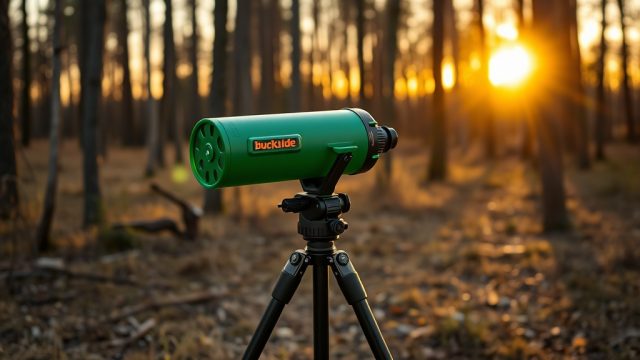
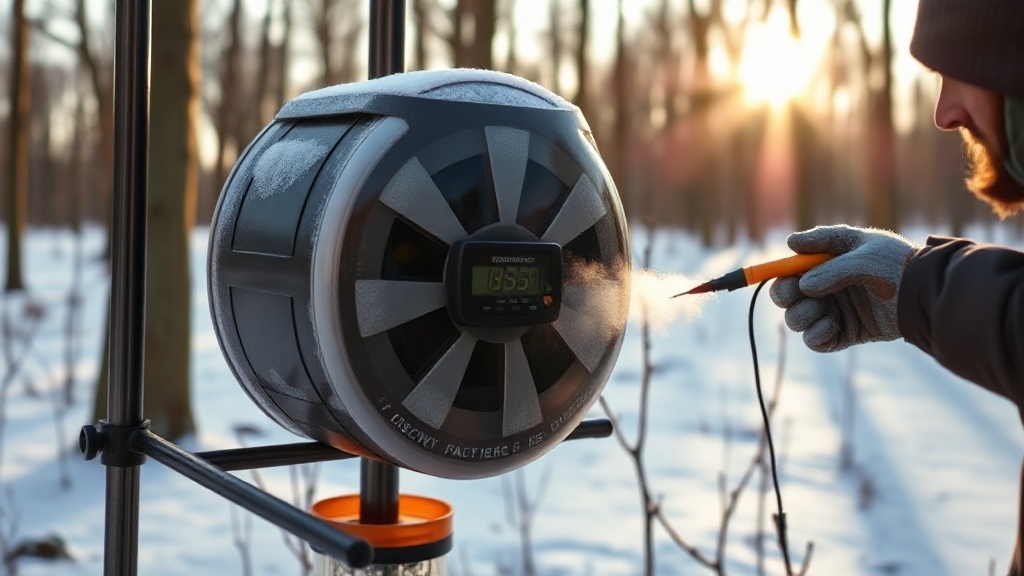
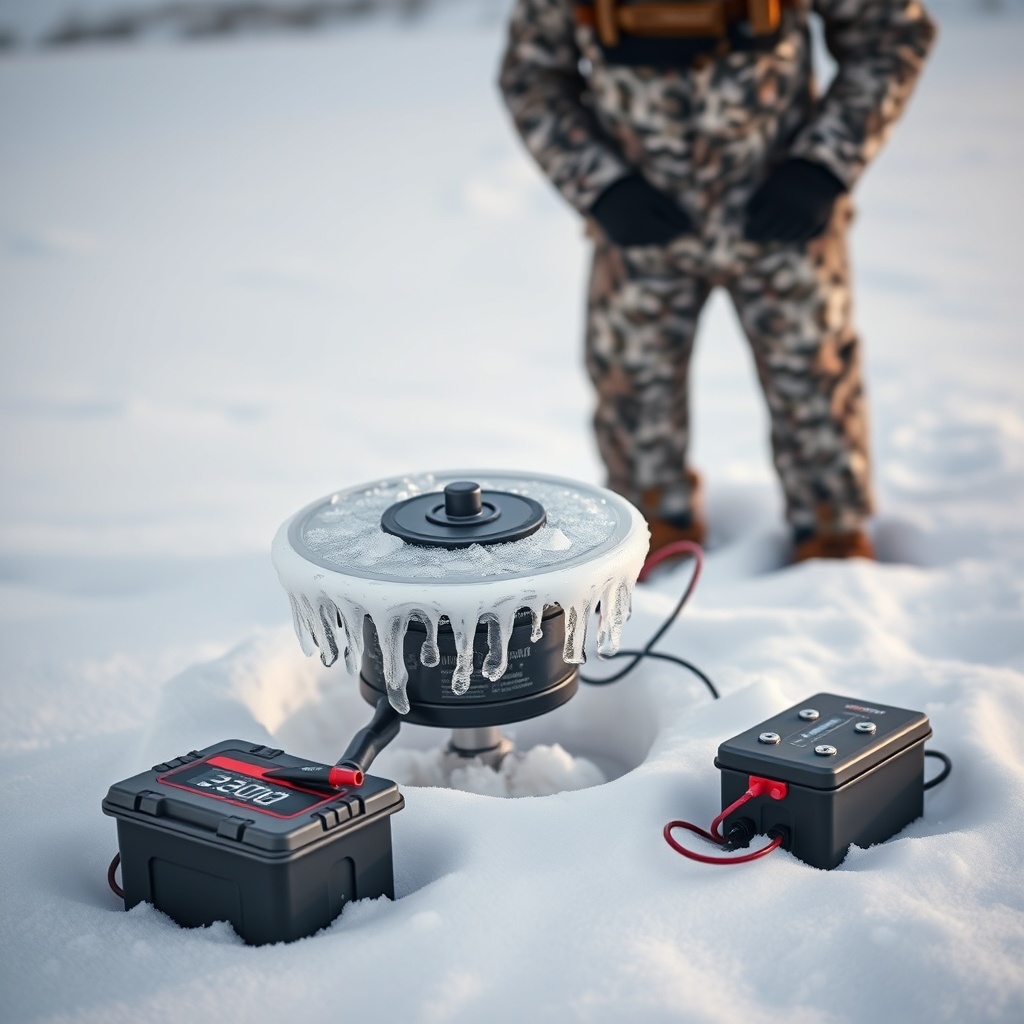
Winter brings unique challenges for the BuckGuide 300lb Spin-Cast Feeder. Many owners notice the spinner plate slows or stops completely when temperatures drop below freezing. The issue often traces back to battery voltage drop in cold conditions. At -10°C, a fully charged 12V lead-acid battery can lose up to 40% of its cranking amps, leaving the spin-cast motor underpowered. First, test the battery with a multimeter—if it reads below 12.4V under no load, it may need replacement or a warmer storage solution. Consider moving the battery to an insulated enclosure near the feeder, or upgrade to a lithium iron phosphate (LiFePO4) battery, which delivers consistent power down to -20°C. If the motor hums but the plate does not spin, check for ice buildup on the spinner shaft. Apply a few drops of silicone-based lubricant to the shaft bushing every two weeks during winter. For a full step-by-step battery swap, see our Battery Replacement Guide for BuckGuide 300lb Spin-Cast Feeder.
How Do I Prevent the Digital Timer from Freezing or Malfunctioning?
The digital timer on the BuckGuide 300lb Spin-Cast Feeder uses a sealed circuit board, but extreme cold can cause LCD displays to slow or blank out temporarily. If the timer screen becomes unreadable or shows erratic numbers, the unit likely needs a reset or a battery top-up. Press and hold the RESET button (small pinhole on the timer housing) with a paperclip for 10 seconds. If the screen remains blank, remove the timer module (two Phillips screws on the back of the control panel) and bring it indoors for 24 hours to dry and warm. Moisture trapped inside from condensation is a known winter issue. After warming, reinstall and program the feeding schedule. For precise programming tips, read Digital Timer Programming Tips for BuckGuide 300lb Spin-Cast Feeder.
Another common complaint: the timer skips feed times during cold snaps. This typically happens when the battery voltage sags below 11.8V during the spin cycle. The timer’s internal clock stops running but retains memory. To prevent this, always use a fully charged battery rated at least 12AH for the unit. If you need remote control access in severe cold, the timer still works with the remote receiver, but only if the battery is strong. Check our Using a Remote Control with BuckGuide 300lb Spin-Cast Feeder for pairing tips when temperatures drop.
What Should I Do When Heavy Rain Freezes on the Feeder Components?
Winter rain followed by subzero temperatures creates a dangerous condition for the BuckGuide 300lb Spin-Cast Feeder. Water seeps into the motor housing, then expands as ice, cracking seals and bending the spinner shaft. If you notice the feeder making a grinding noise or the plate wobbling, stop operation immediately. Disconnect the battery and bring the motor assembly indoors to thaw for 48 hours. While thawed, dry all electrical contacts with compressed air, then apply dielectric grease to the battery terminals and timer connectors. Reassemble and test the spin cycle manually (use the TEST button on the timer). If the motor still grinds, the bearings may be damaged and require replacement. For a full post-rain repair process, see How to Fix a BuckGuide 300lb Spin-Cast Feeder After Heavy Rain.
Prevention is the best cure: before winter, apply a marine-grade silicone sealant around the motor housing seam where the spinner shaft exits. Also, drill a small 1/8-inch weep hole at the lowest point of the motor housing cover (direct the hole downward) so any trapped water drains. This simple modification avoids ice damage entirely.
How Often Should I Lubricate the Spinner Mechanism in Winter?
The BuckGuide 300lb Spin-Cast Feeder’s spinner shaft and bushing need more frequent lubrication in winter due to cold-induced friction. In summer, once a month is sufficient. In winter, lubricate every two weeks—or even weekly if temperatures stay below -5°C. Use a synthetic lithium grease or a PTFE spray lubricant. Avoid petroleum-based oils, which thicken in cold and can gum up the mechanism. Apply two drops directly to the shaft where it meets the bushing, then spin the plate by hand 10 times to distribute. Excess grease will attract debris, so wipe away any overflow with a clean rag. A properly lubricated feeder spins freely and uses less battery power—extending battery life significantly. Learn more in How to Extend Battery Life on Your BuckGuide 300lb Spin-Cast Feeder.
| Temperature Range | Lubrication Interval | Lubricant Type | Additional Notes |
|---|---|---|---|
| 0°C to 10°C | Every 2 weeks | Synthetic lithium grease | Check spinner for ice after each thaw |
| -5°C to 0°C | Weekly | PTFE spray lubricant | Spray into shaft bushing while spinning |
| Below -5°C | Every 3-4 days | Synthetic lithium grease + PTFE spray | Warm battery before testing |
| Below -15°C | Daily inspection | Silicone-based grease (low-temp rated) | Consider battery heater pad |
Why Does My Feeder Throw Corn Only Partially or Not at All in Snow?
Snow accumulation on or around the BuckGuide 300lb Spin-Cast Feeder directly impacts its throw radius. If the spinner plate is covered with packed snow, the centrifugal force is blocked, and corn drops straight down or builds up under the feeder. The unit is designed to throw up to 30 feet, but even a half-inch of icy snow on the plate cuts that to 10 feet. Clear the plate with a stiff brush before each fill. Also, check the funnel tube—snow can clump inside if the humidity is high. If you see wet clumps of corn clinging to the tube walls, switch to a less moisture-absorbent feed, like soybean pellets or dried corn treated with a mold inhibitor. Another cause: the motor may be spinning but too slowly to project feed. This points back to low battery voltage (see first question). Test the motor speed by measuring the regulator output at the motor terminals—should be 12V DC under load. If it reads below 10V, your battery or wiring needs service. For timer-related performance issues, consult Timer Troubleshooting for BuckGuide 300lb Spin-Cast Feeder.
How Can I Keep the Feed Tube from Freezing Shut?
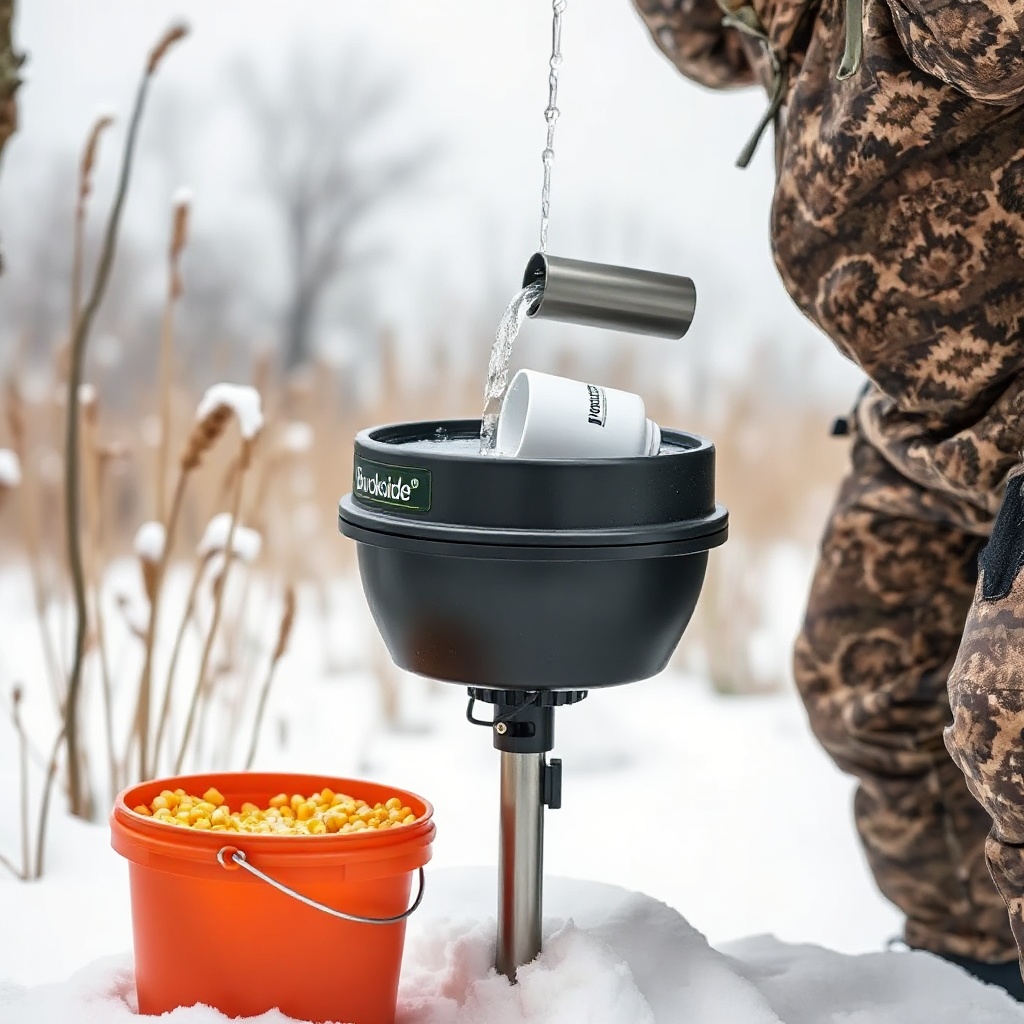
Moisture in corn or other grains can freeze the feed tube solid inside the BuckGuide 300lb Spin-Cast Feeder, blocking the flow to the spinner. This usually happens after a thaw-freeze cycle. First, always store feed indoors or in a sealed bin before filling the feeder. If the tube is already frozen, do not use tools to pry it—this can crack the plastic. Instead, pour warm (not hot) water down the tube from the top, let it sit 5 minutes, then run the spin cycle. Repeat until the ice clears. For long-term prevention, apply a thin layer of silicone spray inside the tube before adding feed. Another trick: mix 1 cup of dry sand with 10 pounds of corn. The sand absorbs moisture and provides grit to break up ice. If your feeder has the optional anti-clog kit (a small metal ring around the tube exit), make sure it is not frozen to the tube wall. Lubricate the ring with silicone grease monthly. In extreme conditions, consider installing a tube heater (sold separately for this model) that wraps around the lower tube section.
What Owners Say
BuckGuide 300lb Spin-Cast Feeder owners frequently share winter experiences on forums and social media. Here is a summary of common feedback:
- Mark from Wisconsin: “Used it through two winters. Battery is the weak spot. Switched to a lithium battery last year—no issues since. Also installed the remote, which helps from the truck.”
- Jen from Minnesota: “The timer LCD froze solid one morning. I brought it inside, dried it, and it worked again. Now I keep the timer module in my coat pocket until I set the schedule. Lesson learned.”
- Travis from Colorado: “I had to replace the bushing after a thaw-freeze cycle cracked it. Now I spray silicone every week. Feeder runs smoothly even at -10°F.”
- Rita from Michigan: “The unit throws fine with shelled corn, but mixed feeds with molasses freeze in the tube. I switched to whole corn and used the weep hole mod—no more clogs.”
- Derek from Montana: “Use a battery tender solar panel with a heater pad. Keeps the battery above 12V all winter. Feeder never misses a feed time.”
Frequently Asked Questions
Q1: Can I leave the BuckGuide 300lb Spin-Cast Feeder outside all winter without taking it down?
Yes, the unit is weather-resistant, but for maximum lifespan, remove the battery and store it indoors if temperatures stay below -15°C for extended periods. The feeder body can remain outside. Clean the spinner and motor housing before spring.
Q2: What battery size works best for winter use?
A 12V 18AH lead-acid battery is the minimum for reliable winter operation. A 12V 35AH lithium battery offers better cold-weather performance and longer runtime. Always charge the battery fully (minimum 12.7V) before each winter fill.
Q3: How do I know if the motor bearings are damaged from ice?
If the spinner plate makes a clicking or grinding noise during operation, or if it spins unevenly, remove the motor cover. Check for rust on the shaft or a loose bushing. Replace the motor assembly if necessary—available for about £45 at authorized dealers.
Q4: The feeder throws feed only to one side in winter. Why?
Uneven throw usually means the spinner plate is bent or has heavy ice buildup on one side. Also check if the feed tube is not centered over the plate. Straighten or replace the plate if warped. Balance by cleaning all ice off the plate evenly.
Q5: Can I use a remote control with the feeder in snowy conditions?
Yes, the remote works through light snow, but heavy snowfall or frozen rain on the receiver can block the signal. Mount the receiver antenna (if equipped) at least 2 feet above the feeder top, pointing upward. Pairing instructions are in Using a Remote Control with BuckGuide 300lb Spin-Cast Feeder.
Q6: How can I stop mice from nesting in the feeder during winter?
Mice seek shelter inside the motor housing or feed tube. Insert a small piece of galvanized steel mesh (1/4-inch openings) over the feed tube opening and around the battery compartment. Check monthly for nests. Avoid using poison near the feeder, as it can harm deer.