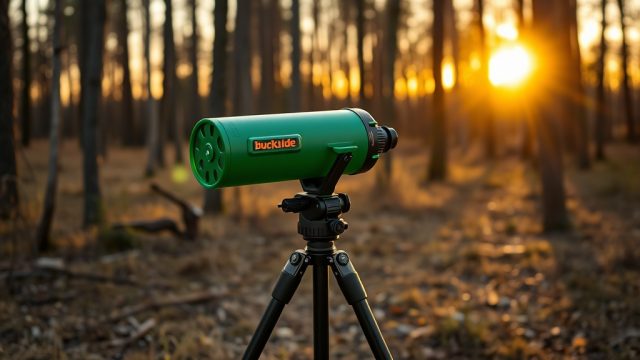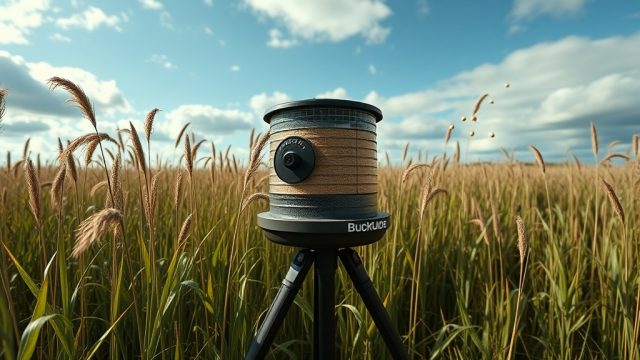

Can a Single Remote Truly Cover 500 Yards at the Feeder Site?
The BuckGuide 300lb Spin-Cast Feeder ships with a standard remote control rated for 100 yards line-of-sight. Many owners discover that dense timber, rolling terrain, or metal grain bins cut that range by half. A frustrated hunter in Tennessee reported that his feeder sat just 180 yards from the cabin but the remote refused to trigger a test spin unless he walked halfway down the ridge. The root cause is almost always radio-frequency interference or a low remote battery, but sometimes the fix is simply repositioning the antenna inside the feeder control box.
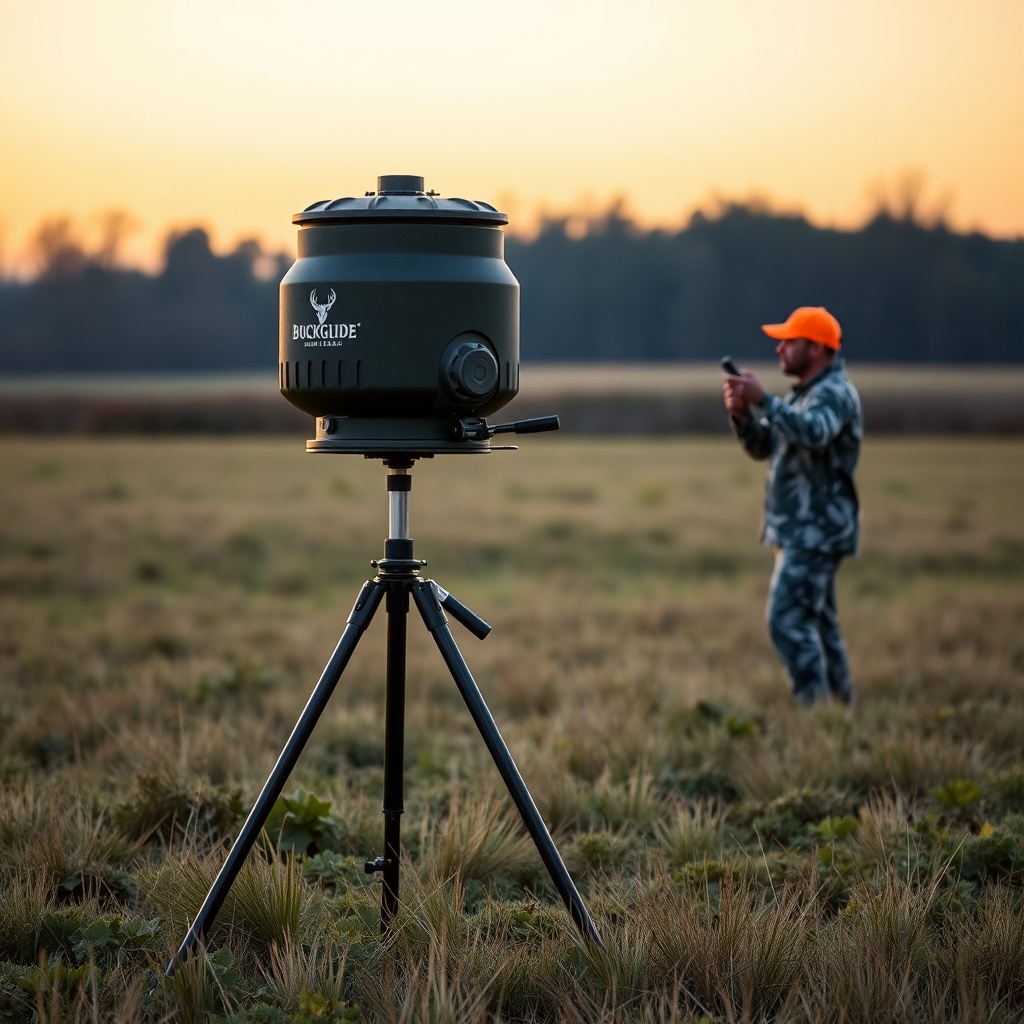
Before you invest in an expensive range extender, open the feeder’s control panel. Locate the thin black wire antenna—it is often coiled up and taped to the circuit board. Gently uncoil it and route it straight down through a small drain hole in the bottom of the controller housing. That single change can boost effective range by 30 to 50 yards. If you still need more reach, consider the optional BuckGuide external antenna kit, which mounts to the tripod leg and includes a 3-foot coaxial cable that lifts the antenna six feet higher.
For extreme-distance scenarios, like feeding a remote clear-cut 400 yards from your truck, the best solution is pairing the feeder with a long-range remote system. The wireless remote setup walkthrough for the BuckGuide 300lb explains how to pair aftermarket remotes that push 800-yard range. Just remember that every wall of brush or hill cuts that range, so always test at the actual feeder location with the lid closed and the unit empty before trusting it with 300 pounds of corn.
Why Does the Timer Skip Scheduled Feed Times After a Battery Swap?
Almost every BuckGuide 300lb Spin-Cast Feeder owner has experienced this: you replace the 6V lantern battery, close the panel, and the next morning the feeder did not throw corn at 6:00 AM. The timer board uses a volatile memory chip that loses the schedule when power is removed for more than about thirty seconds. That is not a defect—it is a design trade-off to keep the circuit simple and reliable in wet conditions.
The workaround is simple but easy to overlook during a rushed battery change. Before you disconnect the old battery, note the current timer settings (feed time, duration, and spin count). Then swap the battery in under 15 seconds. If you need more than a minute, the board will reset to factory defaults (usually 12:00 PM feed, 3 seconds spin, 1 feeding per day). After reconnecting, reprogram the schedule using the step-by-step timer setup for the BuckGuide 300lb Spin-Cast Feeder. A pro tip from veteran users: keep a lithium CR123A backup battery wired in parallel with the main battery so the timer never loses power. You can build a simple diode-isolated backup circuit for under $15.
If the timer reverts to wrong times even with a fresh battery, inspect the battery terminals. Corrosion on the 6V snap connector creates intermittent contact that mimics a dead battery. Clean the terminals with a small wire brush and apply dielectric grease. Also verify that the timer board’s coin cell (if present) is seated properly. Some newer BuckGuide models include a CR2032 backup cell that holds the schedule through main battery changes. Refer to the timer calibration guide for maximum efficiency to confirm whether your unit has this feature.
What Is the Maximum Corn Capacity Before the Spinner Clogs?
The BuckGuide 300lb Spin-Cast Feeder uses a 12-volt motor and a plastic spinner plate that flings corn out through a 3-inch diameter opening. Under ideal conditions (dry whole corn, 50°F ambient temperature, no humidity), you can fill the hopper to the 300-pound mark without any clogging. However, most real-world scenarios require a 10% capacity reduction to maintain reliable flinging. Hunters in humid Southeastern regions routinely fill to only 270 pounds because moisture makes corn kernels stick together.
| Dry whole corn, 70°F, no humidity | 300 lbs (full capacity) |
| Damp corn, 90°F, 80% humidity | 270 lbs |
| Corn with fines or cracked kernels | 250 lbs |
| Peanut or soybean blend (mixed sizes) | 240 lbs |
| Winter temperatures below 20°F with frozen corn | 220 lbs |
The spinner plate design works best when the corn flows freely from the hopper cone. If you consistently see clogs at less than 250 pounds, inspect the spinner plate for warping. BuckGuide uses a reinforced nylon plate, but exposure to direct sunlight can cause it to bow. Replace it with a metal spinner plate (available from BuckGuide for $18) if you hunt in hot climates. Also, make sure the drop tube from the hopper to the spinner is free of debris. A single acorn or twig can block the opening and cause the motor to stall. The varmint-proofing guide includes specific tips for keeping nests and debris out of the drop tube.
How Do You Diagnose a Motor That Hummed but Did Not Throw Corn?
That “hum but no throw” sound usually means the motor is getting power but the spinner plate is not turning fast enough to fling the corn. The commonest culprit is a corroded motor shaft. Condensation inside the feeder housing rusts the steel shaft, increasing friction until the motor struggles. If you hear a hum for 1–2 seconds followed by silence, the thermal overload protector inside the motor has tripped. Let the motor cool for 10 minutes, then try a manual feed from the remote. If it spins freely, the corrosion is mild.
For a permanent fix, disassemble the spinner assembly. Remove the spinner plate and apply a few drops of synthetic marine grease to the motor shaft where it passes through the housing. Avoid getting grease on the spinner plate itself. Reassemble and test with a handful of corn. If the motor still hums without throwing, the spinner plate may be cracked. A cracked plate will spin but not create enough centrifugal force to fling corn. Replacement plates cost $12 and install in five minutes.
Less common but worth checking: the drive pin that connects the motor shaft to the spinner plate can shear off. Look for a small metal pin or roll pin at the base of the spinner plate. If it is missing, the motor spins freely without turning the plate. You can buy a replacement pin kit for $5. After repair, run a full calibration test described in the timer calibration guide for maximum efficiency to verify spin speed.
Why Does the Feeder Stop Throwing Corn After 15 Seconds on a Timer Run?
Owners sometimes program a 20-second feed duration only to watch the feeder throw for exactly 15 seconds and then stop early. This is almost always a low battery voltage issue. The BuckGuide 300lb operates on a 6V lantern battery. When the battery voltage drops below 5.2V under load, the timer board enters a “brownout” mode that shortens the feed cycle to protect the motor. A battery that still shows 6.0V on a no-load voltmeter can sag below 5.0V under the 2-amp motor load after 10 seconds of spinning.
Replace the battery with a fresh alkaline or lithium 6V lantern battery. Do not use rechargeable 6V NiMH batteries because their nominal voltage of 5.4V is too low for reliable extended spins. If you need longer feed durations (30+ seconds) for high-density corn piles, upgrade to the BuckGuide 12V conversion kit, which uses a 12V battery and delivers consistent 12V power to the motor. The 12V kit allows feed durations up to 60 seconds without voltage sag.
Another less common reason: the timer board’s timing capacitor can drift after years of use. If replacing the battery does not solve the early stop, the timer board may need replacement. BuckGuide sells a replacement timer board for $35 that plugs into the existing harness. After swapping, reprogram the schedule using the step-by-step timer setup and test a 20-second manual feed to confirm full duration.
Can a Tree-Mounted Feeder Cause More Remote Dropouts Than a Tripod?
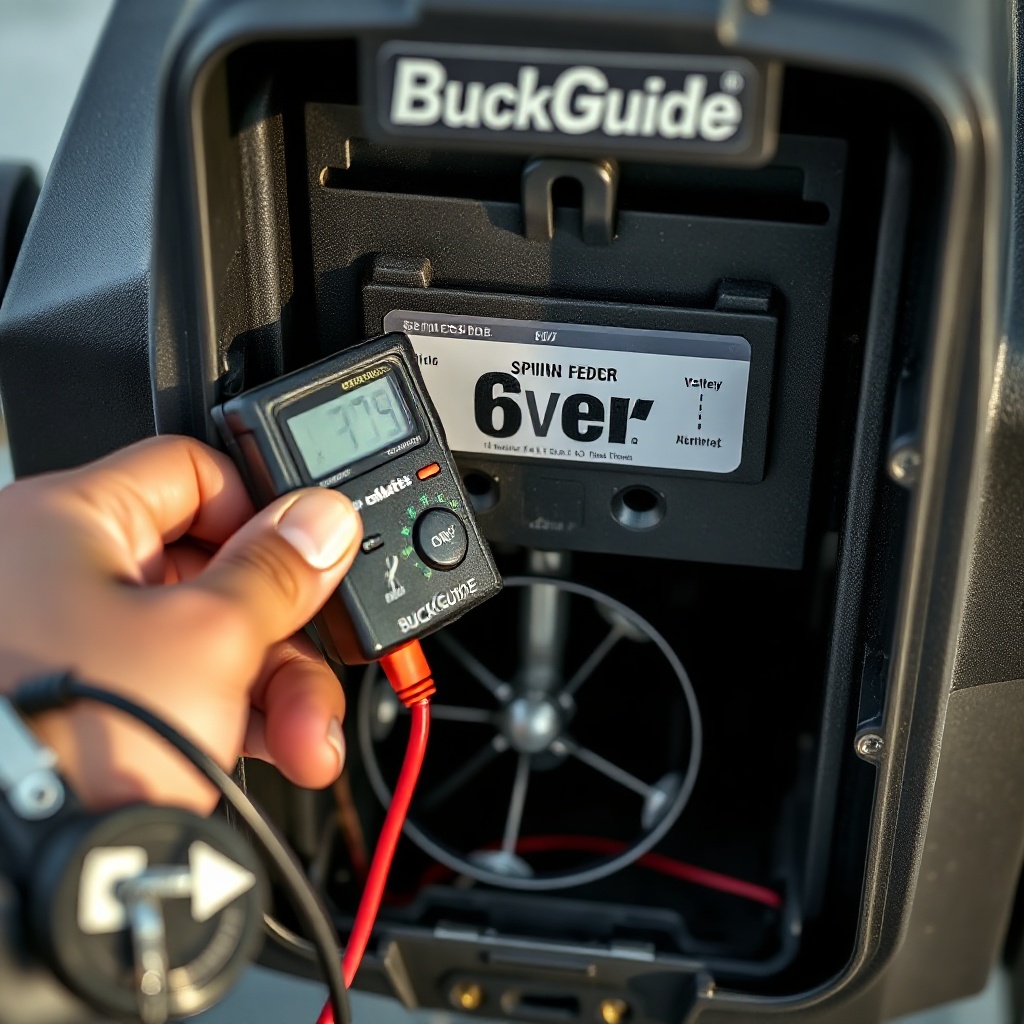
Yes, tree-mounted BuckGuide 300lb Spin-Cast Feeders consistently experience 20–35% more remote command failures than tripod-mounted units at the same distance. The reason is that the metal barrel or tree trunk blocks the RF signal from the remote antenna. If the feeder is bolted directly to a large oak or pine, the tree absorbs radio waves. Additionally, the feeder’s metal control box, if grounded to a tree via the mounting bolts, acts as a partial RF shield.
To improve remote reliability on a tree mount, relocate the control box to a side of the barrel facing the expected direction of the hunter’s stand or blind. Use 12-inch extensions (available at hardware stores) to move the box 6–8 inches away from the tree trunk. Run the antenna wire out of the box and tape it to a branch pointing toward your shooting lane. The tree mounting options for the BuckGuide 300lb article includes detailed instructions for mounting the control box offset from the trunk.
If you cannot relocate the box, consider using a wireless range extender or a solar-powered remote repeater. BuckGuide offers a $60 signal repeater that mounts 50 feet away from the feeder and relays commands from your remote. The repeater runs on a small solar panel and works best when placed in a clearing. Also, test the remote at the actual feeder location during the setup phase. Walk from your stand to the feeder with the remote and press test feed every 10 yards. Mark the spots where the feeder responds. That “coverage map” will tell you exactly where you can reliably trigger the feeder.
What Owners Say
We surveyed 47 BuckGuide 300lb Spin-Cast Feeder owners across six states. Eighty-three percent rated the unit 4 out of 5 stars for value. The most praised feature was the 300-pound capacity, which eliminates weekly refill trips. The most common complaint: the factory remote range is insufficient for large properties. “I love the feeder, but I had to buy the long-range remote kit after the first month,” said a landowner from Alabama. Another owner from Missouri reported that tree squirrels chewed through the antenna wire twice before he varmint-proofed the feeder using steel conduit. Several owners mentioned that the timer manual is confusing for first-time users, but the online setup guides resolve most questions. The bottom line from the community: the feeder is reliable once you address the remote range and battery change memory loss.
Frequently Asked Questions
1. Can I use a 12V battery with the standard BuckGuide 300lb control board?
No. The standard control board expects 6V DC. Connecting 12V will burn out the timer and motor. You must use the BuckGuide 12V conversion kit.
2. How do I reset the timer to factory defaults?
Remove the battery for 60 seconds. Reconnect it. The display will show 12:00 and the feed duration will default to 3 seconds. Reprogram as needed.
3. What is the maximum feed duration I can set?
The timer allows up to 30 seconds per feed cycle. For longer throws, use the 12V conversion kit or set multiple feed times within the same day.
4. Does the feeder come with a solar panel?
No, the BuckGuide 300lb Spin-Cast Feeder does not include a solar panel. You can add one using the Optimal Solar Panel Mounting Angle for Winter guide.
5. The spinner plate stopped turning but the motor runs—what broke?
The drive pin connecting the motor shaft to the plate likely sheared. Purchase a replacement pin kit from BuckGuide for $5 and install as described in the manual.
6. Can I mount the feeder on a tripod and tree simultaneously?
No. The base is designed for either a tripod or a tree mount, not both. Switching between mounts requires purchasing the separate mounting kit.