

Introduction
The BuckGuide 300lb Spin-Cast Feeder is a reliable workhorse for whitetail managers, but motor spin issues can turn a well-stocked site into a silent barrel. When the spinner plate refuses to turn, corn stays in the tube, deer patterns break, and frustration sets in. This guide walks through the most common motor spin problems, from voltage drops to physical obstructions, so you can get that feeder throwing corn again before the next feeding cycle.
Why Won’t the Motor Spin Even With a New Battery?
A fresh 12V battery should spin the motor without hesitation. If it doesn’t, start with the voltage at the motor terminals. Use a multimeter to measure DC voltage while the timer calls for feed. A reading below 11.5 volts under load indicates a weak battery or a corroded connection. Even a brand-new battery can arrive with a partial charge or sulfation damage from sitting on a shelf. Check the manufacturer date and charge it fully before installation.
Next, inspect the wiring harness. The BuckGuide 300lb uses a pigtail connector that can corrode at the crimp points. Cut back the insulation 1/2 inch from the connector and look for green or white oxidation. If you find corrosion, replace that section of wire with marine-grade tinned wire and use heat-shrink butt connectors. For a detailed walkthrough on maintaining proper voltage, see the article on Battery Voltage Optimization for BuckGuide 300lb Spin-Cast Feeder.
Finally, test the motor directly. Disconnect the timer and apply 12V straight from the battery to the motor leads with a short jumper wire. If the motor spins freely, the timer or its relay is the problem. If it doesn’t spin, the motor itself has failed, usually due to worn brushes or a seized bearing.
Does the Timer Relay Click But the Motor Stays Silent?
This is one of the most reported issues with the BuckGuide 300lb Spin-Cast Feeder. The timer clicks—meaning the relay is energizing—but the motor never turns. The culprit is typically a failed relay contact that cannot carry the motor’s starting current. These small reed relays are rated for around 10 amps, but the inrush current of a cold motor can spike to 15 amps. Over time, the contacts pit and weld open.
Open the timer housing and locate the relay (usually a black cube with clear plastic). Gently tap it with a plastic screwdriver handle while the feeder is supposed to be running. If the motor starts briefly, the relay is intermittent and must be replaced. You can order a direct replacement relay from BuckGuide or swap in a higher-rated automotive relay (30A) by wiring it into the existing circuit. This modification is straightforward and dramatically improves reliability.
Another possibility is a broken wire inside the timer housing where the wire exits the strain relief. Flex the wire bundle at the exit point while the timer is active. If the motor stutters or spins, you have an internal break. Solder in a short pigtail and secure it with a new strain relief.
Could a Jammed Spinner Plate Stop the Motor?
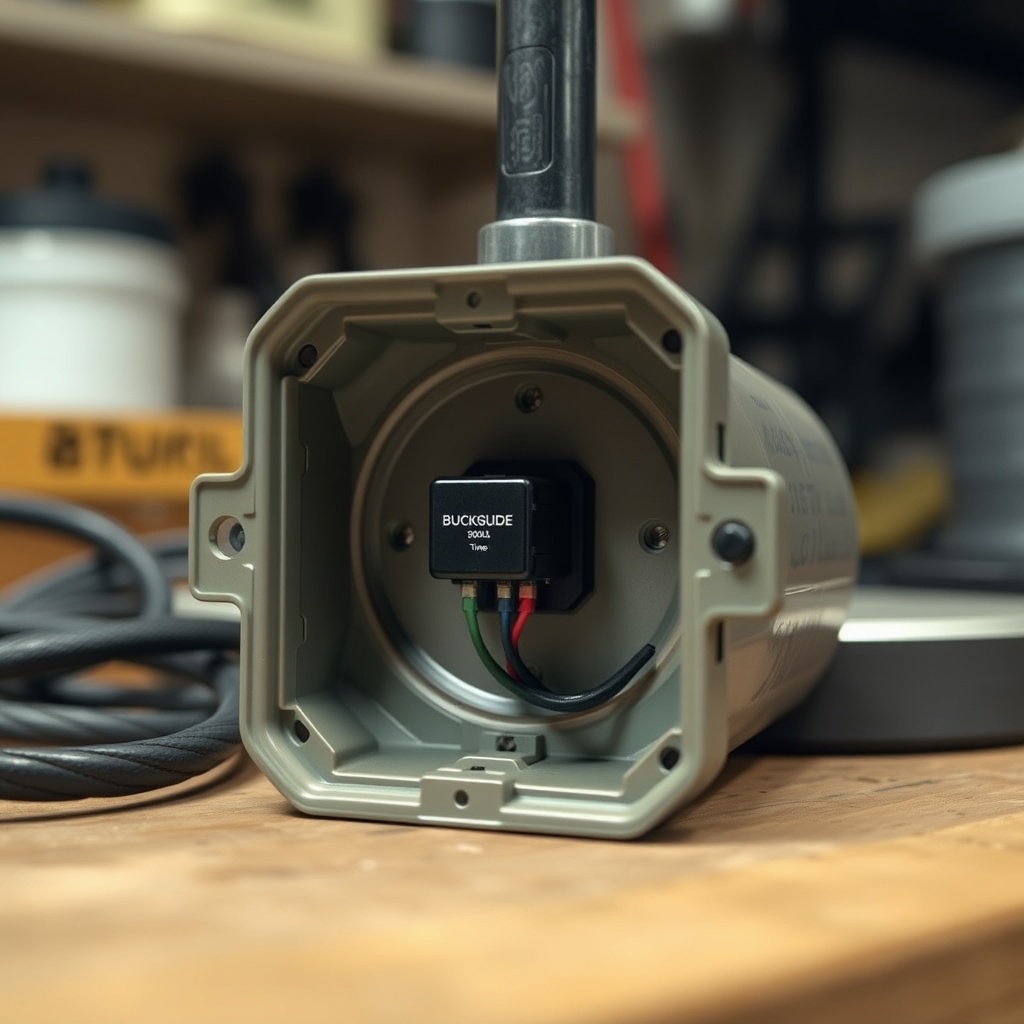
Absolutely. The spinner plate on the BuckGuide 300lb is designed to fling corn outward, but debris, moisture-swollen kernels, or a misaligned plate can lock the shaft. The motor will hum or draw excessive current without turning, eventually tripping the thermal overload if the timer doesn’t shut it off.
Disconnect the feeder from power and remove the spinner plate assembly. This involves loosening the set screw on the hub and sliding the plate off the motor shaft. Inspect the shaft for rust or burrs. Clean it with fine emery cloth and apply a thin layer of lithium grease. Check the plate for warping—if it wobbles when spun by hand, replace it. Also, examine the housing opening for corn fragments stuck between the plate and the housing. A 1/4-inch clearance around the plate is required for smooth operation.
If you frequently encounter jams in high-humidity areas, consider converting the feeder to a gravity system. The How to Convert Your BuckGuide 300lb Spin-Cast Feeder to a Gravity Feed System article explains how to bypass the motor entirely for a simpler, more reliable setup.
Is the Motor Spinning Too Slowly to Dispense Corn?
A slow-spinning motor may still turn the plate, but centrifugal force won’t throw corn effectively. Corn dribbles out instead of broadcasting. This is almost always a voltage problem. The BuckGuide 300lb motor requires a minimum of 11.8V at the terminals under load to achieve the necessary RPM of 1800-2200.
Measure voltage at the motor while it’s running. If it’s below 11.8V, trace back to the battery. Long wire runs from a distant solar panel or battery can cause voltage drop. The factory wiring is 18-gauge, which is fine for short runs but insufficient for 20+ feet. Upgrade to 14-gauge stranded wire for runs longer than 15 feet. The Solar Panel Wiring and Connection Guide for BuckGuide 300lb Spin-Cast Feeder covers optimal wire sizing and connector choices for solar setups.
Another factor is the timer’s pulse duration. Some timers provide a short one-second burst that doesn’t allow the motor to reach full speed. Program the timer for a two- to three-second feed duration to let the motor spin up. If the timer has a “burst” setting, disable it and use continuous spin.
Below is a table summarizing voltage levels and their impact on motor performance:
| Voltage at Motor (under load) | Motor Behavior | Corn Dispersion | Severity |
|---|---|---|---|
| 12.3V – 12.8V | Fast, steady spin | 8-12 foot radius | Optimal |
| 11.8V – 12.2V | Slight hesitation at start | 6-8 foot radius | Monitor |
| 11.0V – 11.7V | Noticeably slow, struggles | Dribbling, under 4 feet | Immediate action needed |
| Under 11.0V | Motor may not start or hums | No dispersion | Critical – fix wiring or battery |
What About Wind Interference and Motor Drag?
Wind can indirectly cause motor spin issues. Strong gusts push the spinner plate downward against the housing, increasing friction and drag. The motor then labors and may stall. This is especially problematic on exposed ridge lines or food plot edges.
Check the spinner plate assembly for vertical play. There should be 1/16 to 1/8 inch of clearance between the plate and the housing bottom. If the plate is sitting too low, add a thin washer under the hub to raise it slightly. Alternatively, some users drill a small weep hole in the housing to prevent a vacuum seal that worsens drag.
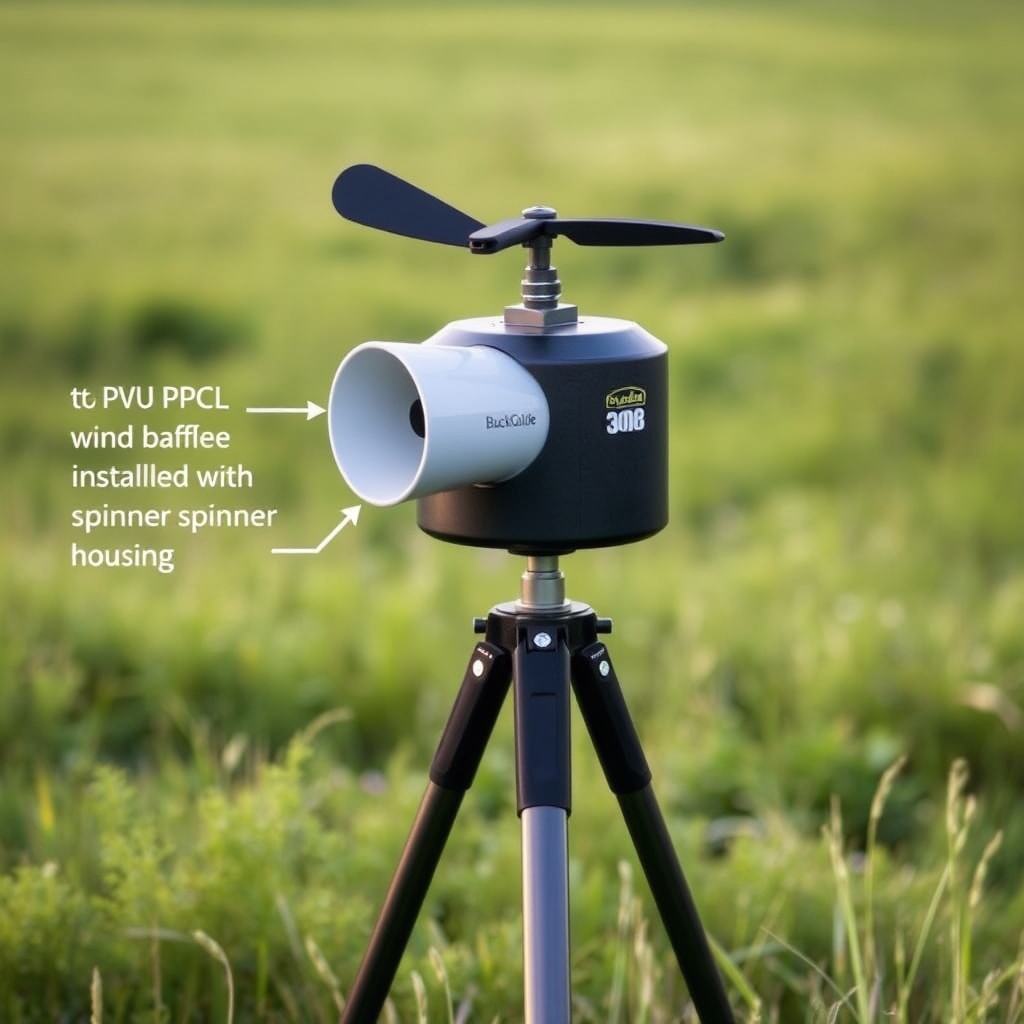
A wind baffle can also help. A simple piece of 4-inch PVC pipe cut in half and mounted around the spinner housing deflects crosswinds. For a more comprehensive solution, read the Troubleshooting Wind Resistance for BuckGuide 300lb Spin-Cast Feeder article, which covers baffle designs and placement strategies.
What Owners Say
Real-world feedback from BuckGuide 300lb Spin-Cast Feeder owners reveals consistent patterns. On hunting forums, the most common compliment is the feeder’s rugged build and 300-pound capacity, which reduces refill trips during peak season. However, motor spin issues dominate the complaints. “My timer clicked, but the motor just hummed,” writes one user in Texas. “Replaced the relay and it’s been running three seasons now.” Another owner in Mississippi notes that the motor often stalls after rain, recommending dielectric grease on all electrical connections.
Several users report success after upgrading to a heavier-duty motor from an automotive parts store, though this requires slight modification to the mounting bracket. The majority advise checking voltage as the first step, with many saying “90% of spin problems are the battery or wires.” A handful of owners in high-wind areas have switched to gravity feed conversion and report zero motor issues since—though they lose the broadcast pattern. Overall, the consensus is that the BuckGuide 300lb is a solid feeder once these initial motor quirks are addressed.
Frequently Asked Questions
Q1: How do I test if my BuckGuide 300lb motor is bad?
Disconnect the motor from the timer and apply 12V directly from a charged battery. If the motor does not spin or only hums, it is faulty. Also, check resistance across the motor terminals with a multimeter: a good motor reads 1-3 ohms. An open circuit indicates a broken winding.
Q2: Can I use a car battery to power the feeder?
Yes, a standard 12V car battery works, but it is heavy and may require more frequent charging. A deep-cycle marine battery is recommended for long-term use. Ensure the battery is secured and terminals are treated with anti-corrosion spray.
Q3: Why does my feeder work in cool weather but not in freezing temps?
Cold temperatures increase oil viscosity in the motor bearings and can cause moisture in the corn to freeze, locking the spinner plate. Use a lightweight synthetic grease on bearings and store corn in a dry place before filling. Also, verify your battery’s cold cranking amps—they drop in cold weather.
Q4: How do I prevent squirrels from jamming the motor?
Squirrels often chew wires or stick their paws into the spinner housing, causing jams. Install a squirrel-proof cage around the feeder barrel or use a weighted spinner plate that stalls under extra weight. See the How to Squirrel-Proof Your BuckGuide 300lb Spin-Cast Feeder article for effective methods.
Q5: My feeder runs but the corn comes out in clumps. Is this a motor issue?
Clumping is usually due to moisture in the corn, not the motor. Add a moisture absorber packet inside the barrel or switch to a corn blend treated with propionic acid. If clumps are frequent, consider the gravity feed conversion mentioned earlier.
Q6: How often should I replace the motor brushes?
Motor brushes typically last 2-3 years with regular use. If you notice intermittent spin or sparks from the motor housing during operation, remove the motor and inspect the brushes. Replace them if they are shorter than 1/4 inch. Brushes are available from BuckGuide or universal motor repair shops.