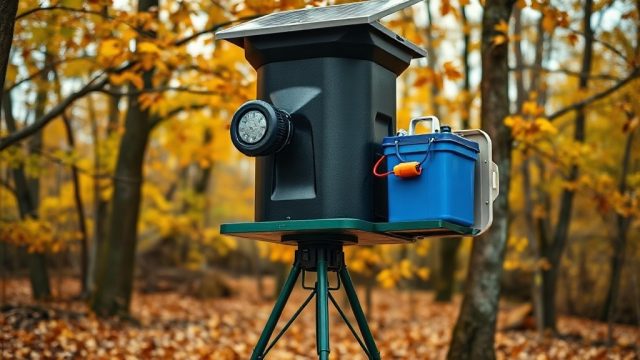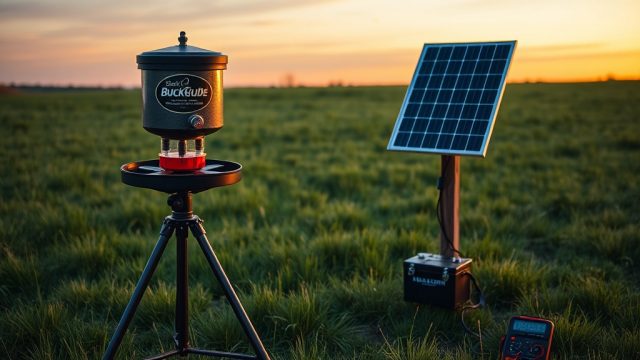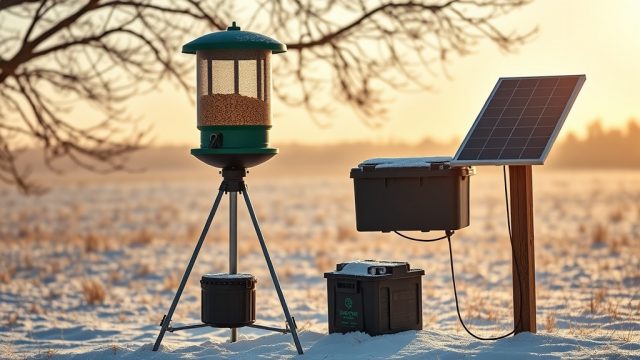
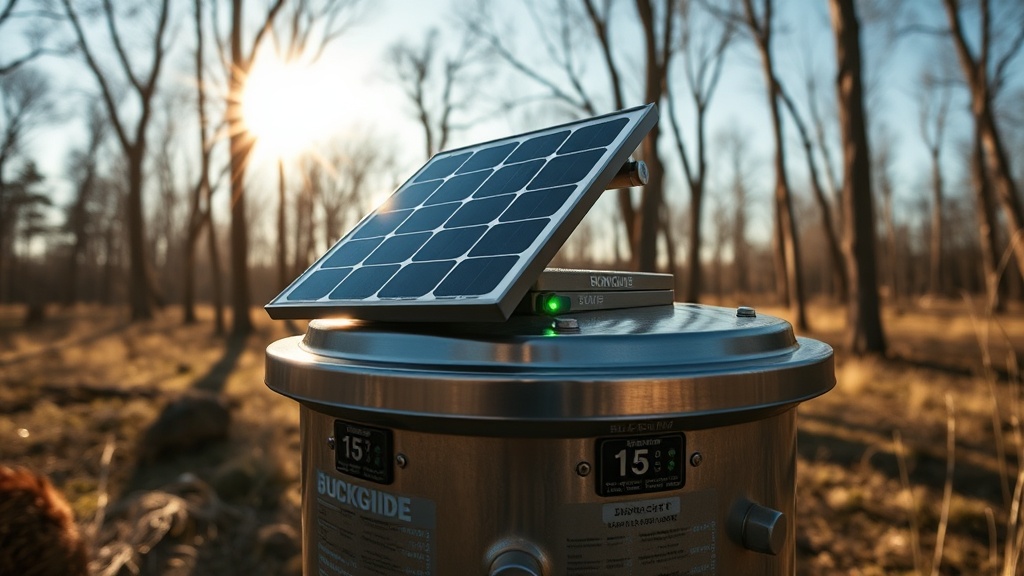
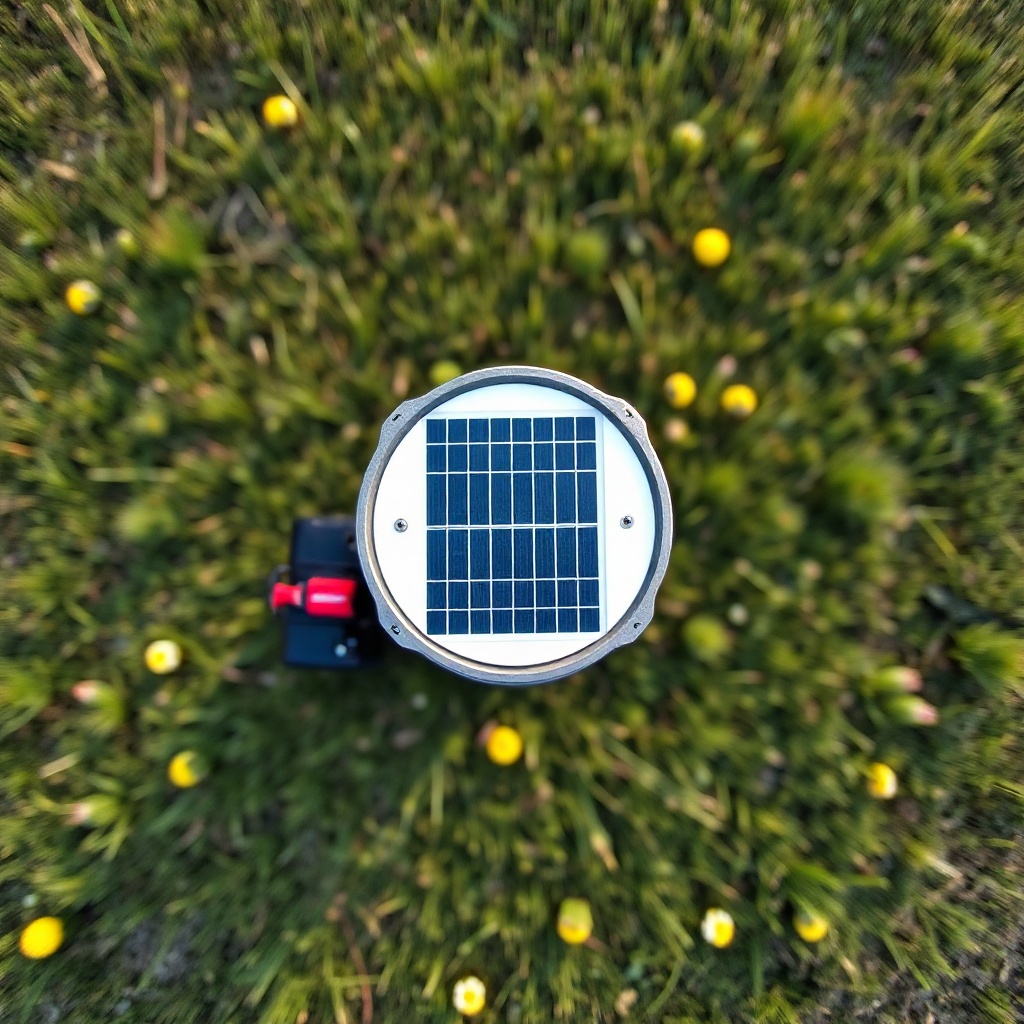
When you invest in a BuckGuide 300lb Spin-Cast Feeder, reliable solar power is what keeps your feeding program consistent through the seasons. A properly wired solar panel ensures the internal battery stays charged even during overcast stretches, so your spin-cast mechanism never misses a scheduled throw. This guide walks you through the essential connections, voltage checks, and weatherproofing steps to keep your BuckGuide 300lb Spin-Cast Feeder running at peak performance.
What Size Solar Panel Works Best for the BuckGuide 300lb Spin-Cast Feeder?
The BuckGuide 300lb Spin-Cast Feeder typically ships with a 12-volt system that draws around 200–300 mA per spin cycle. For reliable daily charging, a 10-watt to 20-watt solar panel is the sweet spot. In northern climates with shorter winter days, opt for the 20-watt panel to compensate for reduced sunlight. Panel voltage should be between 17 and 22 volts open-circuit to push enough current into the battery even under partial shading. Most owners find that a 15-watt panel paired with a 12Ah battery keeps the feeder spinning for weeks without a manual top-off.
How Do I Wire the Solar Panel to the Battery Without Damaging the Control Board?
Correct wiring order prevents voltage spikes from frying the timer. Follow these steps precisely:
- Step 1: Ensure the solar panel is shaded or covered so it outputs near zero current.
- Step 2: Connect the battery first to the control board. On the BuckGuide 300lb Spin-Cast Feeder, match red to positive (+) and black to negative (-).
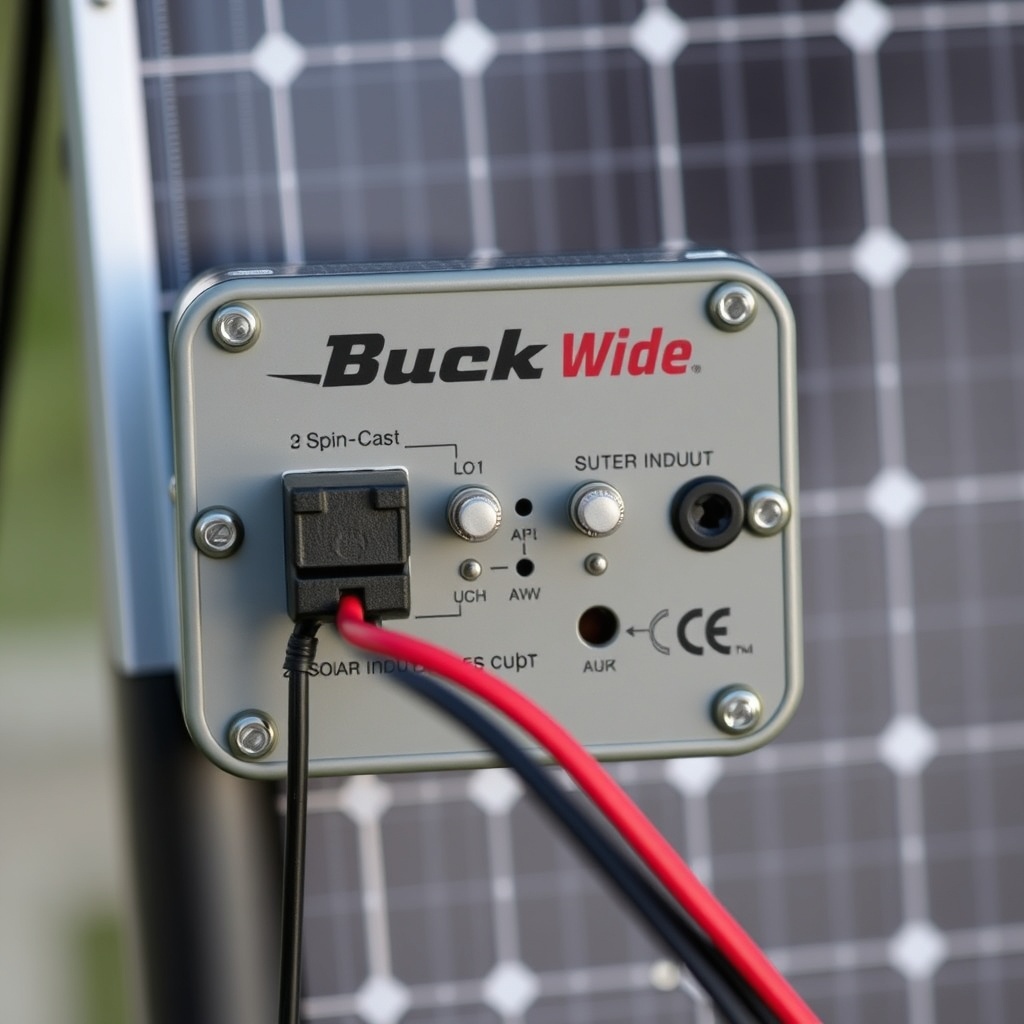
- Step 3: Attach the solar panel leads to the solar input terminals on the control board. Again, red to positive, black to negative.
- Step 4: Uncover the solar panel and verify that the green or blue LED on the board blinks, indicating charge acceptance.
If your board does not have labeled solar inputs, reference the wiring diagram inside the lid. A reversed panel connection can blow the blocking diode, which will drain the battery at night. For specific control board pinouts, see our troubleshooting guide.
What Gauge Wire Should I Use for the Solar Panel Run?
Voltage drop over long wire runs is the most common reason a BuckGuide 300lb Spin-Cast Feeder underperforms on solar. Use this table to select the correct wire gauge based on the distance between the panel and the feeder control box:
| Distance (feet) | Panel Wattage | Recommended Wire Gauge (AWG) |
|---|---|---|
| 0–15 ft | 10–15W | 16 AWG |
| 15–30 ft | 10–15W | 14 AWG |
| 30–50 ft | 15–20W | 12 AWG |
| Over 50 ft | 20W | 10 AWG or consider moving panel closer |
Using undersized wire on a long run can drop voltage below 12.2V at the battery, which may cause the spin-cast motor to stall. For tips on addressing voltage-related spin failures, check the battery voltage optimization article.
Should I Install a Charge Controller Between the Panel and the Battery?
The BuckGuide 300lb Spin-Cast Feeder’s control board often includes a basic built-in charge regulator, but many owners add an external PWM (pulse-width modulation) controller for better battery health. An external charge controller is highly recommended if:
- You use a panel larger than 20 watts (risk of overcharging in full sun).
- Your feeder sits in all-day direct sunlight without tree cover.
- You want to monitor battery voltage with an LCD readout.
- You already experienced a swollen battery from previous overcharging.
If you keep the built-in regulator, wire the panel directly to the solar input and never connect a panel without first having the battery attached. This avoids damaging the controller. For a deeper comparison of feeder features, read our BuckGuide 300lb vs Moultrie Pro Hunter timer accuracy analysis.
How Do I Weatherproof the Solar Panel Connections on the BuckGuide 300lb?
Moisture in the wiring terminals is the leading cause of corrosion and intermittent charging. Protect your connections with these simple steps:
- Use dielectric grease: Apply a thin layer inside each MC4 or ring-terminal connection before mating.
- Shrink-tube the splices: If you cut and splice wires, use adhesive-lined heat shrink tubing to create a watertight seal.
- Mount the junction box up high: Keep any splice box at least 6 inches above the feeder lid to avoid puddles.
- Check the panel mounting bracket: Ensure the bracket doesn’t trap water against the lid. For wind-related mounting advice, see our wind resistance tips.
Routine inspection every 2–3 months will catch cracked insulation or corroded terminals before they cause a failure. If connections become intermittent, consult the troubleshooting guide for diag steps.
What Voltage Should the Battery Maintain During Normal Solar Operation?
A healthy 12V lead-acid battery under solar charge on the BuckGuide 300lb Spin-Cast Feeder should read between 13.2V and 14.4V during peak sun hours. At rest (panel disconnected or at night), voltage should stay above 12.4V. If the battery drops consistently below 12.2V after a full day of sun, there is likely a wiring mismatch or insufficient panel wattage. You can verify this with a multimeter across the battery terminals. For a full diagnostic routine on voltage readings, refer to the battery optimization guide.
Many owners also convert their BuckGuide 300lb Spin-Cast Feeder to a gravity system to reduce power dependency. See how to convert your BuckGuide 300lb to gravity feed if you prefer passive dispensing.
What Owners Say About Solar Panel Setup on the BuckGuide 300lb Spin-Cast Feeder
Experienced owners consistently report that the BuckGuide 300lb Spin-Cast Feeder performs best when the solar panel receives at least six hours of direct sunlight per day. Many upgrade to a 15-watt panel after discovering that the included 10-watt unit struggles in heavy timber. One user from Missouri noted that after switching to a 12 AWG wire run of 25 feet, his feeder went from weekly battery swaps to three months of unattended operation. Another frequent comment on forums involves adding a toggle switch between the panel and controller to manually disable charging during battery maintenance. Overall, the consensus is that the feeder electronics are robust, but wiring quality directly determines reliability.
Frequently Asked Questions
Can I use a 30-watt solar panel on the BuckGuide 300lb Spin-Cast Feeder?
Yes, but you must use an external PWM charge controller to prevent overcharging. The built-in regulator on older models may not handle the higher current safely.
Why does my feeder stop spinning after a few cloudy days?
This usually indicates either an undersized panel (below 10W) or a failing battery that can no longer hold a charge. Check battery voltage at dawn; anything below 12.0V confirms the issue.
Do I need to disconnect the solar panel when not using the feeder?
No. The charge controller or built-in regulator prevents battery overcharge. If you store the feeder for months, remove the battery and store it indoors at 50% charge.
Can I run the BuckGuide 300lb Spin-Cast Feeder on a lithium battery with solar?
Yes, but you need a charge controller compatible with lithium profiles. Most stock regulators are designed for sealed lead-acid and will not charge a lithium battery to the correct voltage.
What direction should the solar panel face?
In the Northern Hemisphere, face it true south with a 30–45° tilt. Winter sun is lower, so increase the tilt angle for better light capture.
How do I test if the solar panel is charging the battery?
With the panel connected in full sun, measure voltage at the battery terminals. It should read at least 0.5V higher than the battery resting voltage. If not, check all connections with a multimeter.