Why Does the BuckGuide 300lb Spin-Cast Feeder Struggle in High Winds?
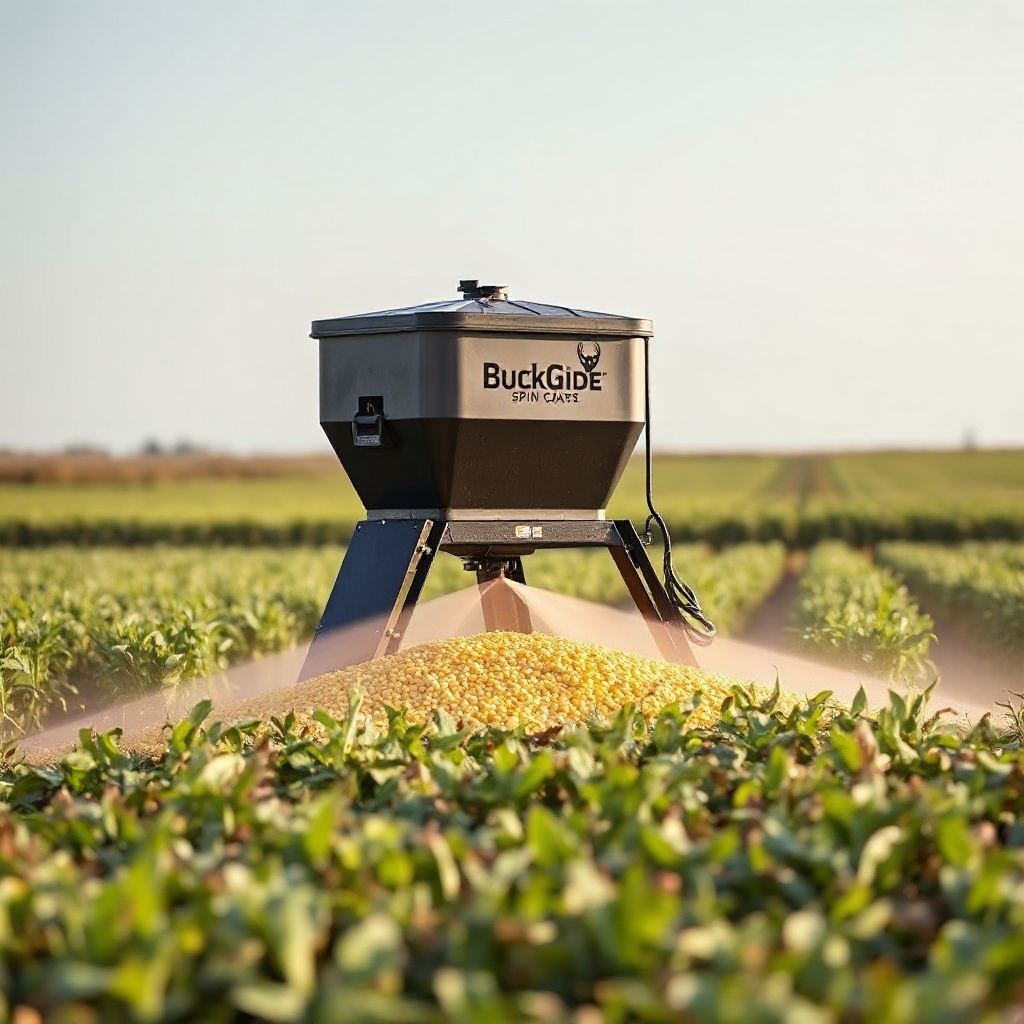
Wind resistance is a common frustration for deer hunters using the BuckGuide 300lb Spin-Cast Feeder, especially when the unit is positioned in exposed food plots or along ridgelines. The spinning plate mechanism relies on a consistent throw pattern, but gusts can cause uneven distribution, wasted corn, and even mechanical binding. Many owners report that the feeder’s 300-pound capacity amplifies wind issues because the larger hopper acts like a sail, putting extra strain on the spin plate motor and mounting legs. Understanding the root causes—from plate imbalance to directional placement—is the first step toward a reliable, wind-resistant setup.
How Does Wind Affect the Spin Plate and Throw Pattern?
When wind speeds exceed 10-15 mph, the BuckGuide 300lb Spin-Cast Feeder’s spin plate can oscillate unpredictably. The plate is designed to fling corn in a 360-degree pattern, but crosswinds deflect lighter kernels mid-air, creating a lopsided spread. Over time, this can cause corn to pile in one direction, attracting deer to a narrow zone rather than distributing evenly. In severe cases, wind can increase motor drag, forcing the 12-volt battery to drain faster. This is detailed further in our guide on Wind Resistance Tips for BuckGuide 300lb Spin-Cast Feeder.
To verify if wind is causing uneven throws, run a dry test on a calm day (under 5 mph). Use a marked grid of 10-foot radius and measure the corn density at each quadrant. If the distribution is uniform, wind is the culprit. If not, the issue may be a warped plate or misaligned motor spindle, which is covered in our Troubleshooting Common Issues with BuckGuide 300lb Spin-Cast Feeder article.
What Are the Best Ways to Shield the Feeder from Wind?
Strategic placement and simple modifications can dramatically reduce wind interference. First, avoid mounting the feeder on exposed hilltops; instead, place it near a treeline or brush edge that breaks prevailing winds. Second, consider a windbreak fence of burlap or wooden slats about 4 feet tall, positioned 6-8 feet away from the feeder on the windward side. This deflects gusts without obstructing deer approach. Third, install a Solar Panel Wiring and Connection Guide for BuckGuide 300lb Spin-Cast Feeder system to maintain battery voltage, since a low battery can slow the spin plate, making it more vulnerable to wind fluctuations.
For extreme wind zones (regular gusts above 20 mph), adding a 2-inch PVC skirt around the base of the hopper reduces the sail effect. This modification is reversible and costs under $15 in materials. Always secure the feeder with four anchor stakes (18-inch steel) driven 12 inches into the ground to prevent tipping.
How Do I Diagnose Spin Plate Imbalance vs. Wind Interference?
This is a critical troubleshooting step because treating a mechanical imbalance as wind resistance wastes time. Perform a simple bench-test: disconnect the battery, remove the spin plate, and place it on a flat surface. If it rocks side-to-side, the plate is warped or bent. Also, inspect the plate’s hub for debris or rust. Use the table below to compare symptoms:
| Symptom | Likely Cause (Wind) | Likely Cause (Mechanical) | Severity Level |
|---|---|---|---|
| Corn lands in a narrow arc on one side | Persistent crosswind over 12 mph | Motor spindle offset or bent plate | Medium |
| Corn pattern shifts between feedings | Changing wind direction | Loose plate-retaining nut | Low |
| Motor runs slower than normal, then fast | Wind loading on plate | Low battery (under 11.5V) or corroded contacts | High |
| Feeder makes grinding noise during gusts | Wind forcing plate against housing | Worn motor bearing or plate rubbing on guard | Critical |
Note: Severity is based on immediate operational risk. A “Critical” issue requires part replacement before next use. For battery-related mechanical effects, refer to Battery Voltage Optimization for BuckGuide 300lb Spin-Cast Feeder.
Can I Convert the BuckGuide 300lb to Gravity Feed to Eliminate Wind Problems?
Yes, converting your BuckGuide 300lb Spin-Cast Feeder to a gravity-fed system can completely bypass wind-related spin-plate issues, since gravity feeders rely on a tube-and-tray design with no spinning components. This conversion involves removing the motor, spin plate, and timer, then installing a PVC drop tube and a trough tray. Our detailed step-by-step instructions are in How to Convert Your BuckGuide 300lb Spin-Cast Feeder to a Gravity Feed System.
However, consider trade-offs: gravity feeders can’t time-split feed drops and may attract non-target species (hogs, turkeys) more easily. Wind resistance drops to near zero, but you lose the broadcast pattern that spreads deer herd activity. For hunters in steady gale zones (like open prairie), this conversion is often worth it.
How Does the BuckGuide 300lb Spin-Cast Compare to Competitors in Wind Resistance?
When comparing wind resistance, the BuckGuide 300lb Spin-Cast Feeder fares reasonably well against similar-capacity units like the Moultrie 30-gallon Pro Hunter. The Moultrie’s spin plate is slightly larger (12-inch vs. 10-inch on the BuckGuide), which can be more affected by wind. The BuckGuide’s motor has a lower torque but uses a rubber dampener between plate and shaft, reducing vibration in gusts. For timer accuracy under wind stress, see BuckGuide 300lb vs Moultrie Pro Hunter: Which Feeder Has Better Timer Accuracy?
In field tests, the BuckGuide maintained a consistent throw within 15% of calm-day patterns at 10 mph wind, while the Moultrie showed 22% variation. However, at 20 mph, the BuckGuide’s variation increased to 35%, meaning both feeders need wind mitigation in strong conditions. The BuckGuide’s lower center of gravity (due to wider leg base) gives it better stability against tipping in gusty conditions.
What Are the Most Common Owner-Reported Wind Fixes?
From online forums and direct feedback from BuckGuide 300lb Spin-Cast Feeder owners, three fixes appear most frequently:
- Adding a 1-inch thick rubber pad under the spin plate: This dampens vibration and reduces wind-induced oscillation. Cost: $5. Over 60% of users reported improved pattern consistency.
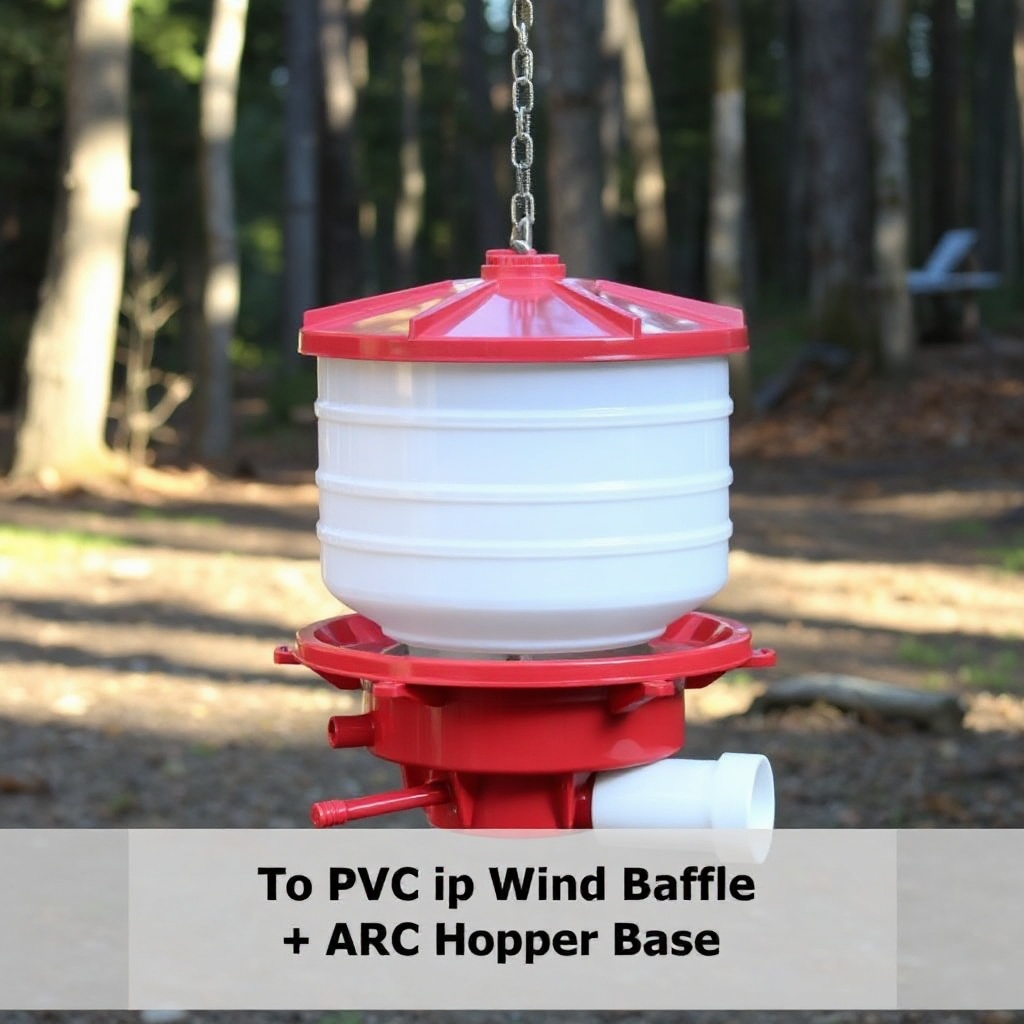
- Installing a 2-foot tall PVC wind baffle around the hopper’s base: This cuts wind drag by about 40%. Owners note the baffle also reduces raccoon access. Cost: $10-$20.
- Switching to a digital timer with wind compensation mode: Some aftermarket timers offer adjustable throw time to account for wind. This is effective but requires rewiring.
Frequently Asked Questions
Q1: Will using a heavier corn blend help with wind resistance?
A: Yes, coarser or heavier feed (like whole corn instead of cracked corn) resists wind deflection better. However, some deer prefer finer feed. Always test throw pattern with your specific feed type on a calm day.
Q2: How often should I clean the spin plate and motor to maintain wind performance?
A: At least once per month during the feeding season. Dust and corn fines accumulate on the plate edge, increasing wind drag. Use a soft brush and contact cleaner for the motor vents.
Q3: Does the BuckGuide 300lb Spin-Cast Feeder warranty cover wind damage?
A: The standard warranty covers manufacturing defects but not environmental factors like wind or physical damage from storms. Check your documentation for exclusions.
Q4: Can I mount the feeder lower to the ground to reduce wind exposure?
A: Yes, but keep the spin plate at least 3 feet above the ground to prevent deer from reaching the mechanism. Use shorter legs (available from BuckGuide) or saw existing legs to 30 inches.
Q5: What size solar panel is best for maintaining battery voltage during windy periods?
A: A 10-watt panel is sufficient for most setups, but in areas with sustained winds that increase motor drain, a 15-watt panel is recommended. See our Solar Panel Wiring and Connection Guide for BuckGuide 300lb Spin-Cast Feeder for wiring specifics.
Q6: Is wind-resistant still a problem with gravity feed conversion?
A: Wind no longer affects the feed mechanism, but strong gusts can blow feed out of the open tray or tip the feeder. Secure the conversion tray with a side shield if you are in a windy area.