Introduction to Tree Mounting the BuckGuide 300lb Spin-Cast Feeder
Proper tree mounting is one of the most critical decisions when setting up a BuckGuide 300lb Spin-Cast Feeder. This heavy-duty unit, holding up to 300 pounds of corn or feed, requires a secure attachment to a robust tree to ensure stability and consistent feeding. In this guide, we explore the best tree mounting options, hardware requirements, and step-by-step considerations to get your feeder operational without risk of tipping or damage.
What Tools and Hardware Are Needed for Tree Mounting?
Before you begin, gather the following items to ensure a seamless installation:
- Heavy-duty ratchet straps (minimum 1,500 lb working load limit)
- Steel or aluminum mounting bracket (often included with the BuckGuide 300lb Spin-Cast Feeder)
- Lag bolts or eye bolts (5/16” or larger, with washers and nuts)
- Drill with masonry bit if mounting into hard wood or metal
- Level to ensure feeder hangs plumb
- Socket wrench set for tightening bolts
- Optional: tree arm or extension bracket for positioning the spinner plate away from the trunk
Having the right tools prevents stripping bolts and ensures the feeder remains level even in strong winds. Always check the manufacturer’s specifications for torque settings on mounting hardware.
How Do You Choose the Right Tree for Mounting?
Selecting a healthy, straight tree with a diameter of at least 12 inches at chest height is essential. Avoid trees with rot, cracks, or shallow root systems. Hardwood species like oak, hickory, or maple offer the best anchoring. The tree should be located on flat or gently sloping ground to reduce stress on the mounting assembly. If your property has steep terrain, see our guide on Mounting BuckGuide 300lb Spin-Cast Feeder on Steep Terrain for specialized techniques.
What’s the Best Mounting Bracket Configuration?
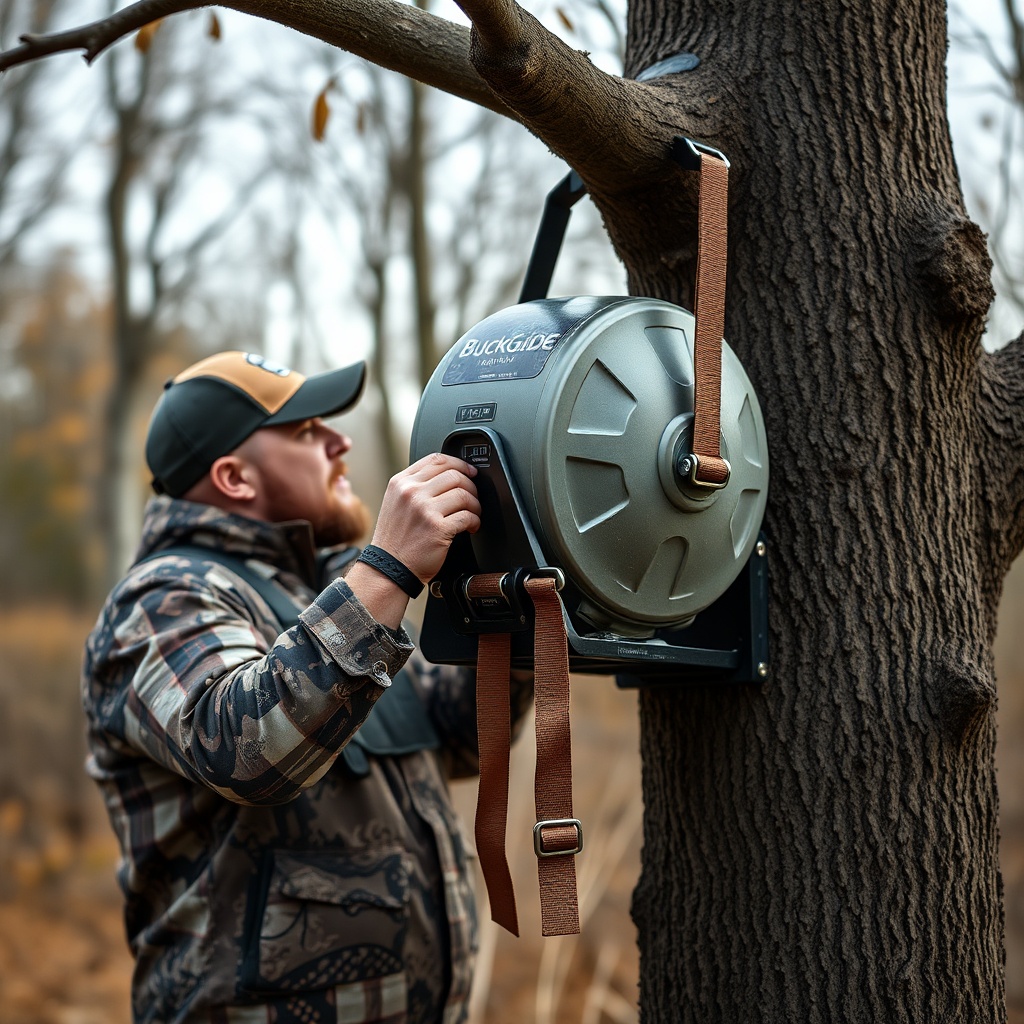
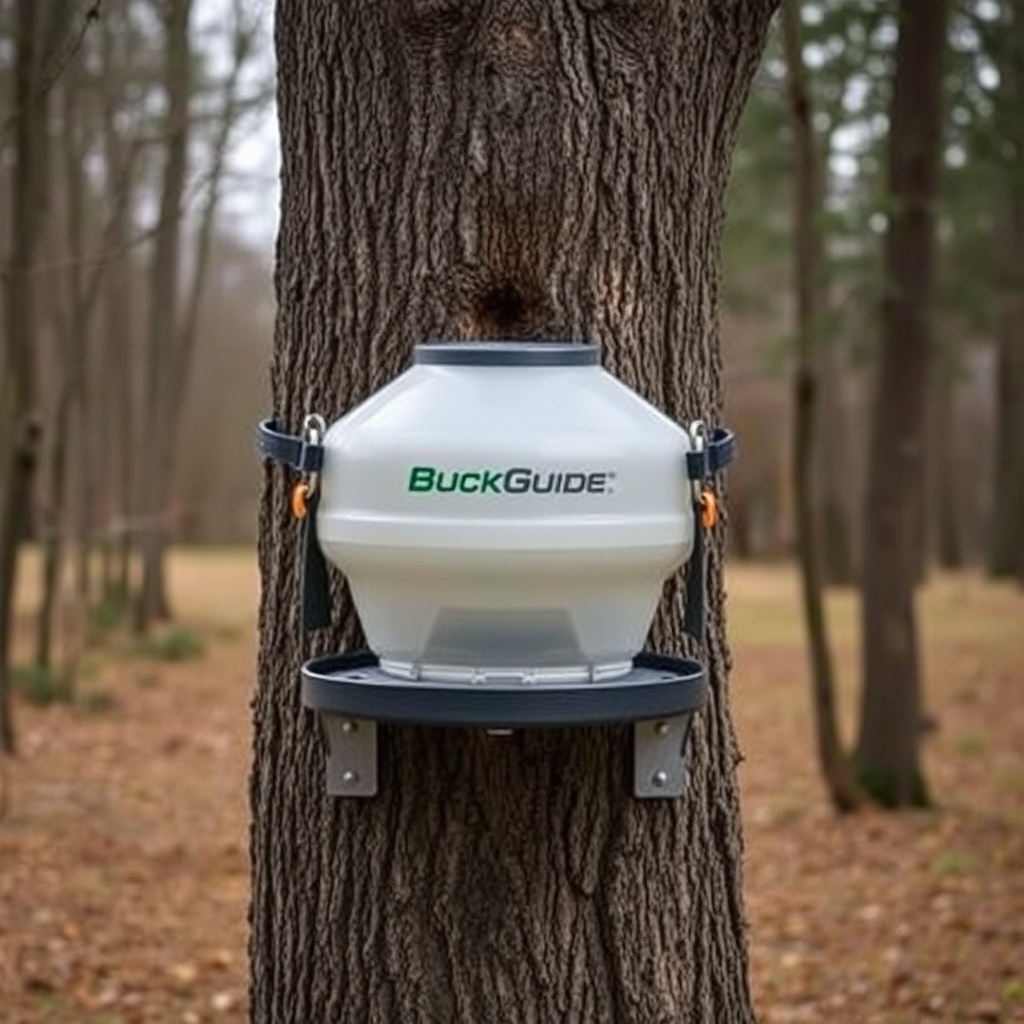
The BuckGuide 300lb Spin-Cast Feeder typically comes with a universal mounting bracket that can be attached directly to the tree or to an optional feeder stand. For tree mounting, use a two-point strap system: one strap around the tree at the top of the bracket and another near the bottom. The bracket should be positioned so the spinner plate clears the trunk by at least 12 inches to prevent feed from hitting the bark. Many users opt for a T-post or tree arm extension to move the feeder further from the tree, reducing squirrel access. For an in-depth comparison, review the table below:
| Mounting Option | Pros | Cons | Best For |
|---|---|---|---|
| Direct Bracket (included) | Simple, low cost, stable | May not clear trunk, limited adjustability | Mature trees with wide trunks |
| Tree Arm Extension (aftermarket) | Excellent clearance, reduces wind sway | Adds cost, requires more hardware | Smaller trees or dense brush |
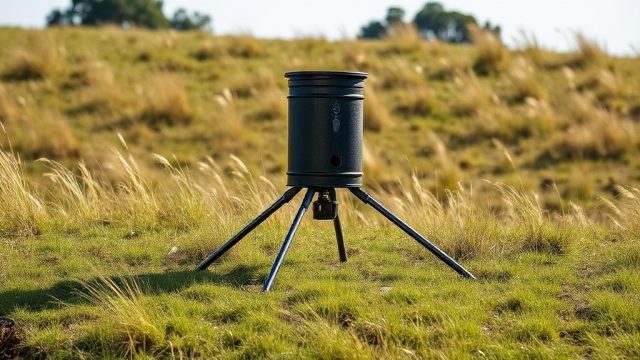
| Steel T-Post Mount | No tree damage, portable | Less stable in high winds, requires concrete | Open fields or temporary setups |
Choosing the right configuration depends on your tree size, feeder weight, and wind exposure. A tree arm extension is highly recommended for the BuckGuide 300lb model due to its heavy capacity.
How High Should the Feeder Be Mounted?
Mount the BuckGuide 300lb Spin-Cast Feeder so the bottom of the spinner plate is 3 to 4 feet above the ground. This height allows deer of all sizes to feed comfortably while keeping the unit accessible for filling and maintenance. For areas with snow accumulation, adjust upward by 6 to 12 inches to prevent feed from being buried. Use a ladder or elevated platform to reach the mounting bracket securely. Always secure the ladder on level ground before lifting the feeder into position.
What Are the Best Straps and Fasteners for Long-Term Use?
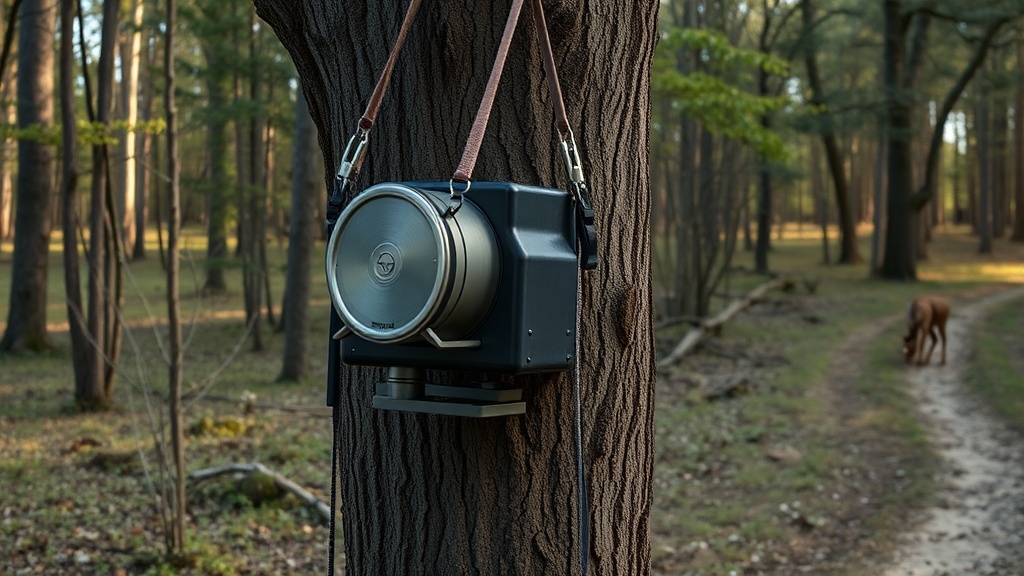
Ratchet straps are the most common method for securing the BuckGuide 300lb Spin-Cast Feeder to a tree. Look for straps with UV-resistant polyester webbing and stainless steel hardware to avoid rust. Bolt the bracket directly into the tree using zinc-plated lag bolts for permanent installations. For trees with expanding bark, use tree-friendly straps with protective sleeves to avoid girdling. Replace straps every two years, especially in humid climates. For solar-powered setups, ensure straps do not interfere with panel positioning – refer to Optimal Solar Panel Mounting Angle for BuckGuide 300lb Spin-Cast Feeder for alignment tips.
How Do You Protect the Tree and Feeder from Damage?
To prevent tree damage, never wrap chains or cables directly around the trunk without padding. Use rubber tree protectors or large-diameter nylon sleeves to cushion the bark. For the feeder, apply a weather-resistant coating to all bolts and brackets annually. If you live in a region with high winds, add a rope tether from the feeder to a second tree for redundancy. Varmint-proofing is also critical – see How to Varmint-Proof Your BuckGuide 300lb Spin-Cast Feeder for techniques to block raccoons and bears from tampering with the spinner.
What Owners Say About Tree Mounting the BuckGuide 300lb
Experienced users consistently praise the BuckGuide 300lb Spin-Cast Feeder for its robust construction and straightforward mounting process. One owner from the Midwest mentioned that after using the direct bracket method with a 20-inch oak tree, the feeder remained rock-steady through a 50 mph storm. Another hunter in the Appalachian region switched to a tree arm extension after noticing feed hitting the trunk, improving distribution by 30%. Common feedback emphasizes the importance of checking strap tension monthly, as settling can occur over time. Many recommend pairing the setup with the Choosing the Right Solar Panel Size for BuckGuide 300lb Spin-Cast Feeder guide to ensure uninterrupted power.
Frequently Asked Questions
Q1: Can I mount the BuckGuide 300lb Spin-Cast Feeder to a metal T-post?
A: Yes, but you must use a heavy-duty T-post bracket and ensure the post is driven deep into stable soil. The feeder’s weight may require two T-posts wired together for added stability.
Q2: How do I prevent the feeder from twisting in wind?
A: Use two ratchet straps in opposing directions, one near the top and one near the bottom of the bracket. Adding a third strap at a 45-degree angle can further reduce lateral movement.
Q3: What size tree is too small for a 300lb feeder?
A: Trees under 10 inches in diameter may not provide enough strength. For smaller trees, consider a ground stand or use multiple anchors.
Q4: Do I need to remove the feeder for winter?
A: The BuckGuide 300lb is built for year-round use, but if heavy snow or ice is common, you can lower the feeder’s height to reduce stress. Check Optimal Solar Panel Mounting Angle for Winter on BuckGuide 300lb Spin-Cast Feeder for panel adjustments.
Q5: Can I mount the feeder without drilling into the tree?
A: Yes, using ratchet straps alone is acceptable, but bolting the bracket provides superior stability. If you prefer no-drill methods, use a tree-hugger bracket with 2-inch wide straps.
Q6: How often should I check mounting hardware?
A: Inspect all bolts and straps every 4 to 6 weeks, especially after storms. Replace any hardware showing rust, fraying, or looseness immediately.