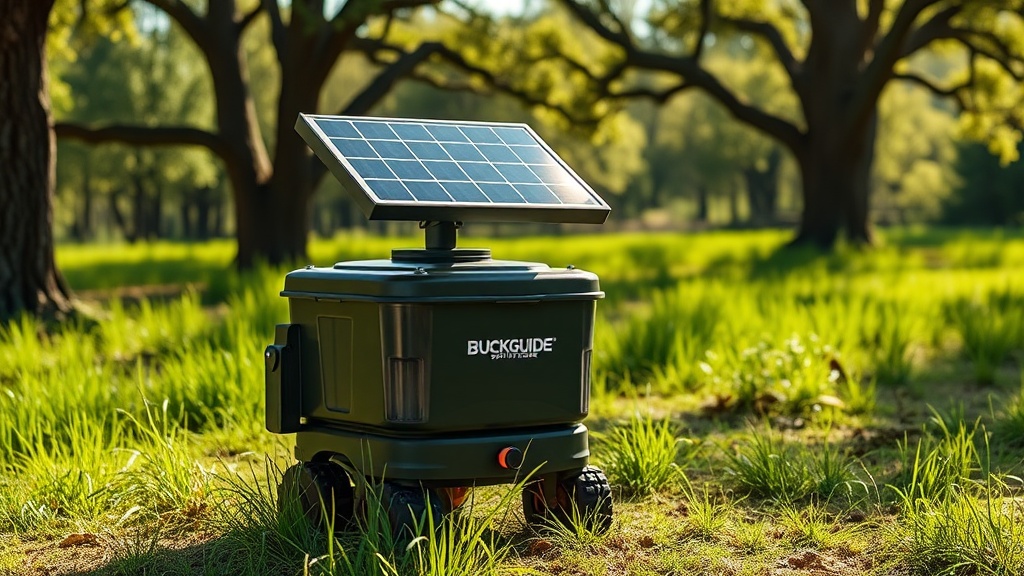
Why Is Solar Panel Size Critical for the BuckGuide 300lb Spin-Cast Feeder?
When managing a high-capacity feeder like the BuckGuide 300lb Spin-Cast Feeder, the battery and solar panel system must work in tandem to ensure reliable dispensing throughout the season. Many owners discover that undersized solar panels lead to voltage drops that cause timer malfunctions or motor spin issues, especially under heavy feeding schedules or during overcast weather. Choosing the correct solar panel wattage for the 300lb unit directly affects battery longevity, timer accuracy, and overall feeder reliability.
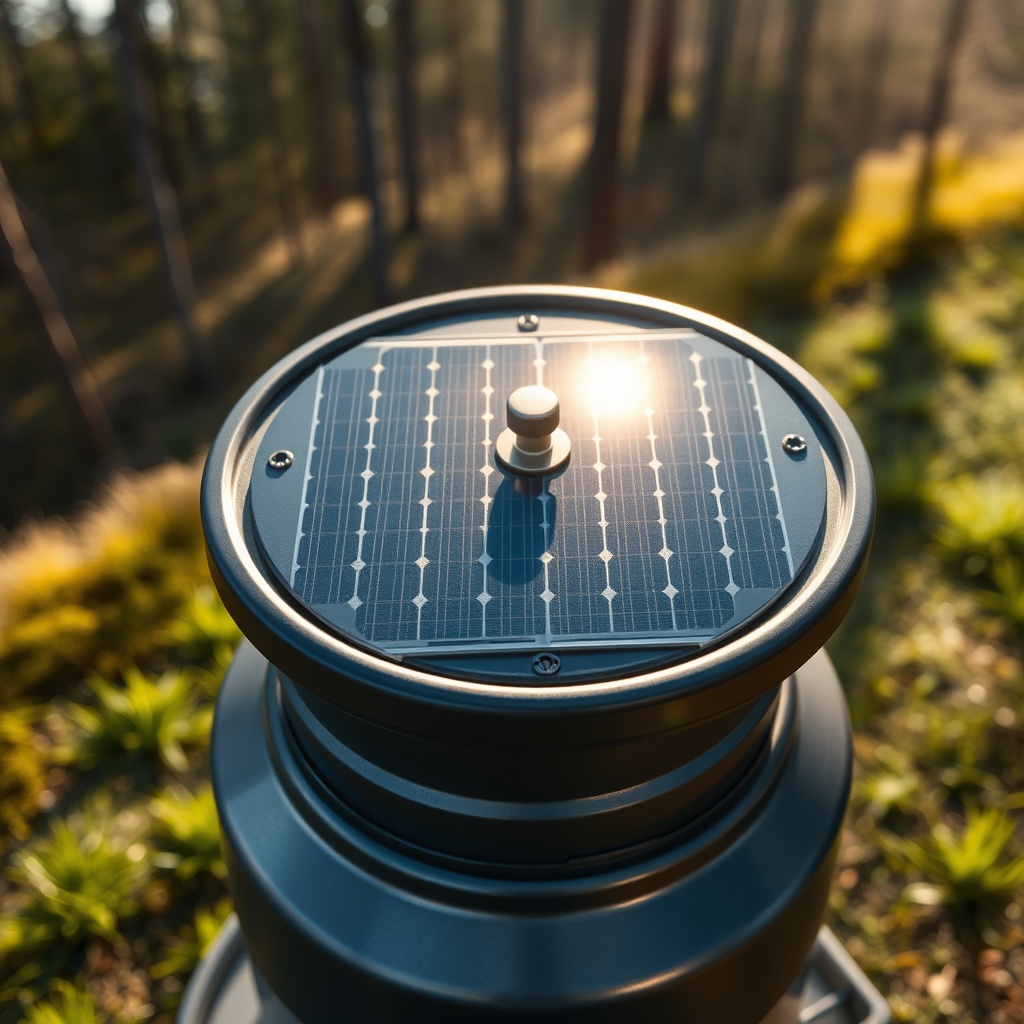
What Is the Recommended Solar Panel Wattage for the BuckGuide 300lb Spin-Cast Feeder?
The BuckGuide 300lb Spin-Cast Feeder typically ships with a 6V or 12V battery system depending on the model variant. For a 12V system running the spin-cast motor, a 10-watt solar panel is the baseline recommendation for moderate climates with at least 5 hours of direct sunlight per day. Owners in northern regions or those running a 6V setup can often get by with a 7-watt panel, but the 10-watt option provides a safety margin for extended cloudy periods.
General wattage guidelines:
| Battery Voltage | Daily Feeding Cycles | Recommended Solar Panel | Minimum Sunlight (hrs/day) |
|---|---|---|---|
| 6V (9-12Ah) | 1-2 times | 7 watts | 4-5 |
| 6V (12-18Ah) | 2-4 times | 10 watts | 4-5 |
| 12V (7-9Ah) | 1-3 times | 10 watts | 5-6 |
| 12V (12Ah+) | 3-6 times | 15 watts | 5-6 |
Owners running heavy feeding schedules or using the timer for multiple daily events should consider the 15-watt panel, especially if the feeder is placed in a partially shaded area.
How Does Battery Capacity Affect Solar Panel Selection for the 300lb Feeder?
The BuckGuide 300lb model uses a spin-cast motor that draws a peak current of about 1.5-2.0 amps during operation. Battery capacity is typically 7Ah to 18Ah for 12V systems or 9Ah to 18Ah for 6V variants. The solar panel must replenish the energy consumed per day plus overcome self-discharge and parasitic timer drain.
For a 12V system with a 9Ah battery and two daily feed cycles (each consuming ~0.3Ah), total daily energy consumption is roughly 0.8Ah. A 10-watt solar panel in good sun can produce about 0.7-1.0Ah per hour of direct exposure. Under five hours of sunlight, this yields 3.5-5.0Ah per day, more than enough to maintain the battery at full charge. However, if the battery is upgraded to 18Ah, charging speed becomes critical. A 10-watt panel can fully recharge a depleted 18Ah battery in about 2-3 full sunny days, while a 7-watt panel might take 4-5 days.
For Battery Voltage Optimization for BuckGuide 300lb Spin-Cast Feeder, owners should match panel size to the battery’s recovery time requirements, especially when using deep-cycle batteries that prefer slower charging.
Can a Solar Panel Be Too Large for the BuckGuide 300lb Spin-Cast Feeder?
Yes, oversizing the solar panel beyond 20 watts on a standard 7Ah battery can cause overcharging in direct sun, leading to battery gassing or shortened lifespan if the feeder lacks a charge controller. The BuckGuide 300lb Spin-Cast Feeder’s built-in timer and regulator handle some overcharge protection, but it is not designed for currents above 2 amps continuous.
Guidelines for safe panel sizing:
- 6V systems: keep panel wattage under 12W unless using an external charge controller
- 12V systems: 10W-15W is the sweet spot; 20W+ requires a controller
- Battery chemistry: AGM and gel batteries tolerate slower charging better; oversizing risks boiling electrolyte
If the feeder is placed in a location with less than 4 hours of direct sun, a 15W panel on a 12V setup may be acceptable, but the owner should monitor battery voltage weekly. For more details on wiring and preventing overcharge issues, see Solar Panel Wiring and Connection Guide for BuckGuide 300lb Spin-Cast Feeder.
What Solar Panel Size Works Best in Low-Light Conditions for the BuckGuide 300lb?
Low-light conditions—such as dense canopy, northern latitudes with short winter days, or persistent cloud cover—require a larger panel to compensate. A 10-watt panel under a 50% light reduction (e.g., heavy overcast) produces only about 0.35-0.5 amps, which may barely offset the timer’s 0.05 amp constant draw plus one daily feeding. In that scenario, upgrading to a 15-watt panel provides a safety buffer.
For extreme low-light environments:
- Partial shade (50-70% sunlight): 15W panel recommended
- Heavy canopy (under 50% sunlight): 20W panel with an external charge controller
- Winter months (daylight under 6 hours): 15W-20W panel, plus consider a larger battery (12Ah+)
Owners dealing with wind-related shading—tree branches moving across the panel—should also read Troubleshooting Wind Resistance for BuckGuide 300lb Spin-Cast Feeder to ensure stable placement.
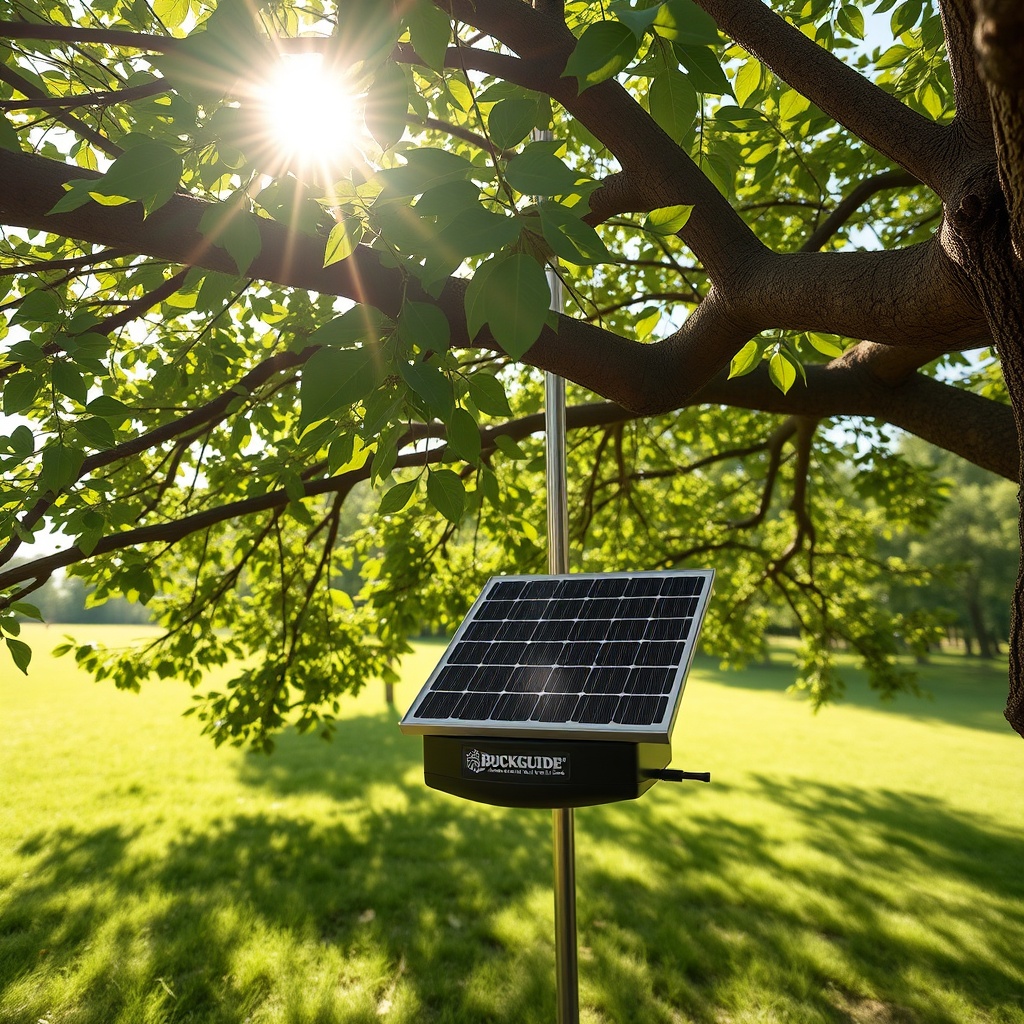
How Does Feeder Timer Accuracy Relate to Solar Panel Size?
Timer accuracy in the BuckGuide 300lb Spin-Cast Feeder depends on stable battery voltage. When a solar panel is undersized, the battery voltage can sag below 5.5V (on a 6V system) or 11.5V (on a 12V system), causing the timer to lose time or skip feed events. This is especially critical during the early morning feeding when the battery is at its lowest after night-time draw.
A properly sized solar panel maintains the battery at a higher state of charge, ensuring the timer’s internal clock stays accurate to within 1-2 minutes per week. For those comparing timer precision between models, the BuckGuide 300lb vs Moultrie Pro Hunter: Which Feeder Has Better Timer Accuracy? article provides a direct comparison under similar solar conditions.
Owners should also consider that a 10-watt panel on a 12V system can maintain a 7.2V-7.4V float charge during sunny days, which keeps the timer circuit operating in its optimal range. If the timer shows erratic behavior, checking the solar panel output with a multimeter is a good first step.
What Owners Say About Solar Panel Sizing for the BuckGuide 300lb
Based on user reports from forums and product reviews, most owners using the BuckGuide 300lb Spin-Cast Feeder in open fields with full sun find that the included 10-watt panel works well for 1-2 feedings per day. One owner in Texas reported three years of reliable operation with a 10-watt panel feeding a 7Ah battery on a 12V setup, with only one overcast week causing a skipped feeding.
However, owners in the Pacific Northwest often switch to a 15-watt panel, citing that the standard 10-watt panel fails to keep up during the rainy season. A common solution among these owners is to mount the panel at a 30-45 degree angle facing south, which can increase winter output by up to 25%.
Another frequently reported issue is that some third-party 15-watt panels have different connectors than the BuckGuide’s proprietary barrel plug. Owners recommend checking compatibility or using an adapter. For motor-related problems that arise from voltage instability, reading Troubleshooting Motor Spin Issues on BuckGuide 300lb Spin-Cast Feeder offers practical fixes.
For those concerned about wildlife interference, the How to Squirrel-Proof Your BuckGuide 300lb Spin-Cast Feeder guide covers mounting the solar panel away from tree branches to prevent squirrel damage to wiring.
Frequently Asked Questions
1. Can I use a 20-watt solar panel on the BuckGuide 300lb Spin-Cast Feeder?
Yes, but only if the feeder is a 12V model and you use an external charge controller. The built-in regulator is not designed for continuous input above 15 watts. Overcharging can damage the battery within a few months.
2. How often should I clean the solar panel on the BuckGuide 300lb feeder?
Clean the panel at least once per month or after heavy pollen or dust events. A dirty panel can lose up to 30% of its output, which may be enough to undersize the system in low-light conditions.
3. What battery size pairs best with a 10-watt solar panel for the BuckGuide 300lb?
A 12V 7Ah to 9Ah battery works optimally with a 10-watt panel for 1-2 feedings daily. For heavier use (4-6 feedings per day), a 12V 12Ah battery paired with the 10-watt panel will require at least 6 hours of sun to fully recharge.
4. Can I mount the solar panel away from the feeder—say 20 feet—using extension cables?
Yes, but use 16-gauge or thicker wire to minimize voltage drop over 20 feet. Thinner wire can cause a 0.5-1.0V drop, which reduces charging efficiency by 15-30%.
5. Will a 7-watt solar panel work for a 6V BuckGuide 300lb feeder in full sun only?
Yes, a 7-watt panel is sufficient for a 6V system in full sun with 5+ hours of direct light and no more than two feedings per day. In partial shade or with more feedings, upgrade to 10 watts.
6. What happens if the solar panel fails completely during the season?
The battery will power the timer and motor for 10-14 days on a full 12V 9Ah battery with two feedings per day. If the panel fails, the timer will eventually drain the battery below the motor’s operating voltage, causing skipped feedings. Replacing the panel promptly is critical.