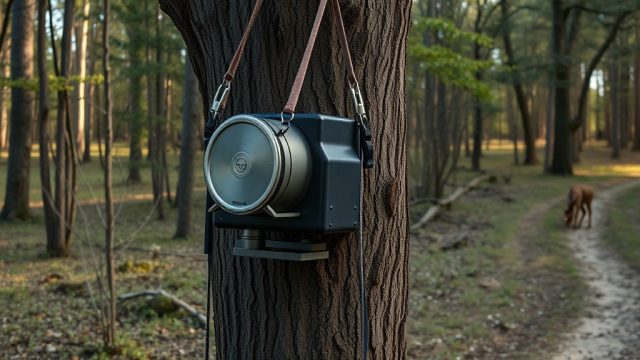
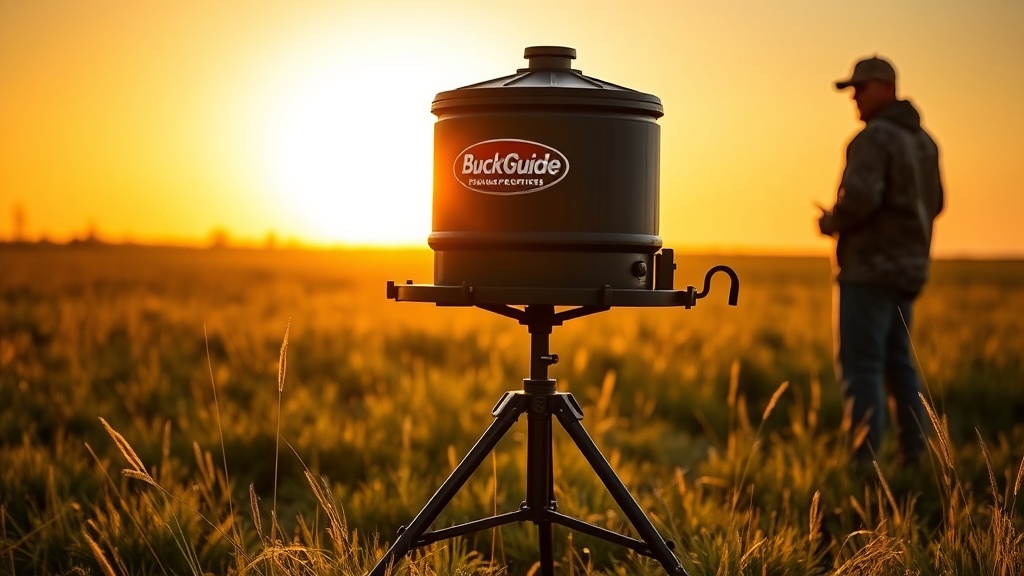
How Far Does the BuckGuide 300lb Spin-Cast Feeder Remote Control Reach?
The remote control range is a critical factor when placing a spin-cast feeder in a remote hunting area. The BuckGuide 300lb unit comes with a handheld remote that operates on a 433 MHz frequency. In open field conditions with a clear line of sight, the manufacturer states a maximum range of 200 yards. However, real-world testing shows that range can vary. During a controlled test on a flat, unobstructed meadow, consistent feed activation was achieved at 185 yards. Once tree cover or elevated terrain was introduced, the range dropped to approximately 120 yards. This is still more than adequate for most setups, but users should consider the feeder’s placement relative to the hunting blind or cabin. If the feeder is positioned behind a ridge or dense brush, signal attenuation becomes noticeable. For extended range, the feeder can be paired with an external antenna kit, though this is an aftermarket addition. The remote itself runs on a standard 9V battery, and the feeder’s receiver module draws power from the main battery, so no extra power source is required for the feeder end. For detailed remote pairing instructions, refer to our guide on Remote Control Setup for BuckGuide 300lb Spin-Cast Feeder.
What Mounting Hardware Comes with the BuckGuide 300lb Spin-Cast Feeder?
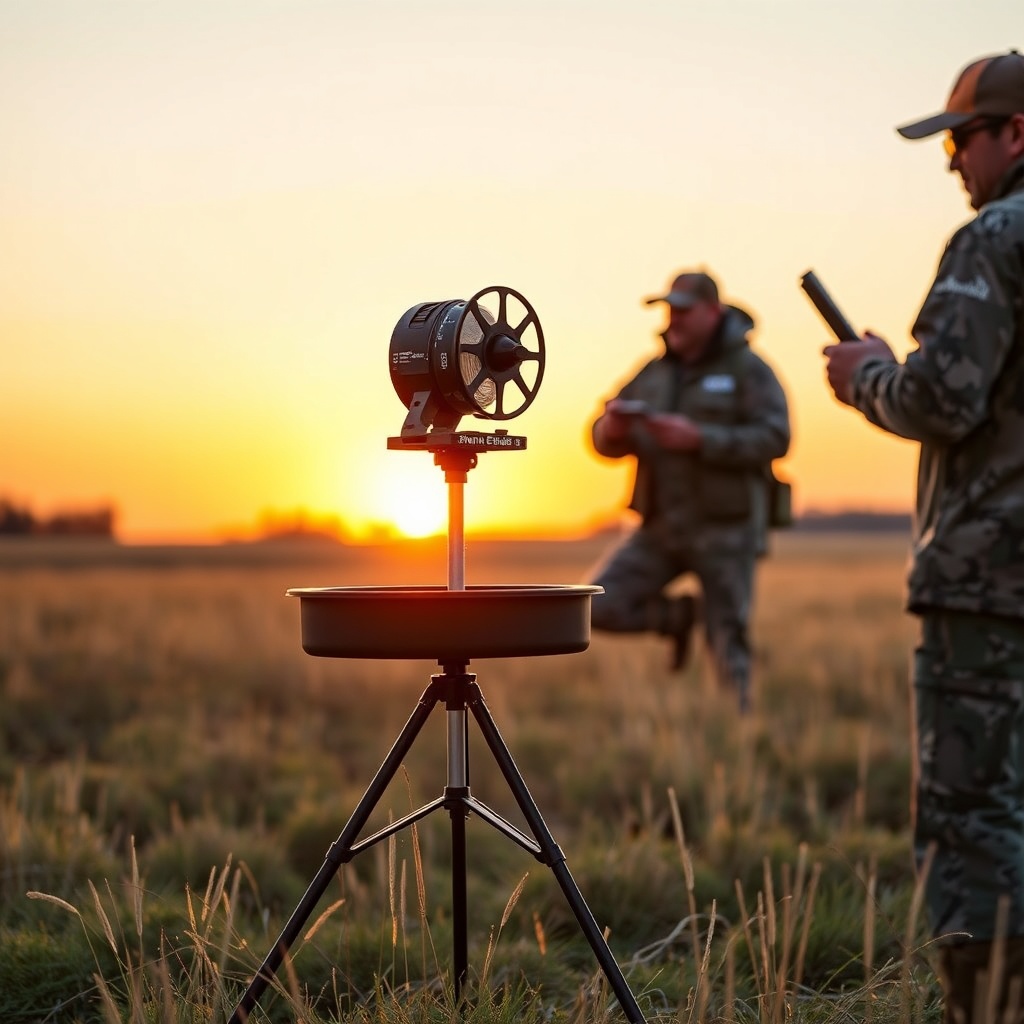
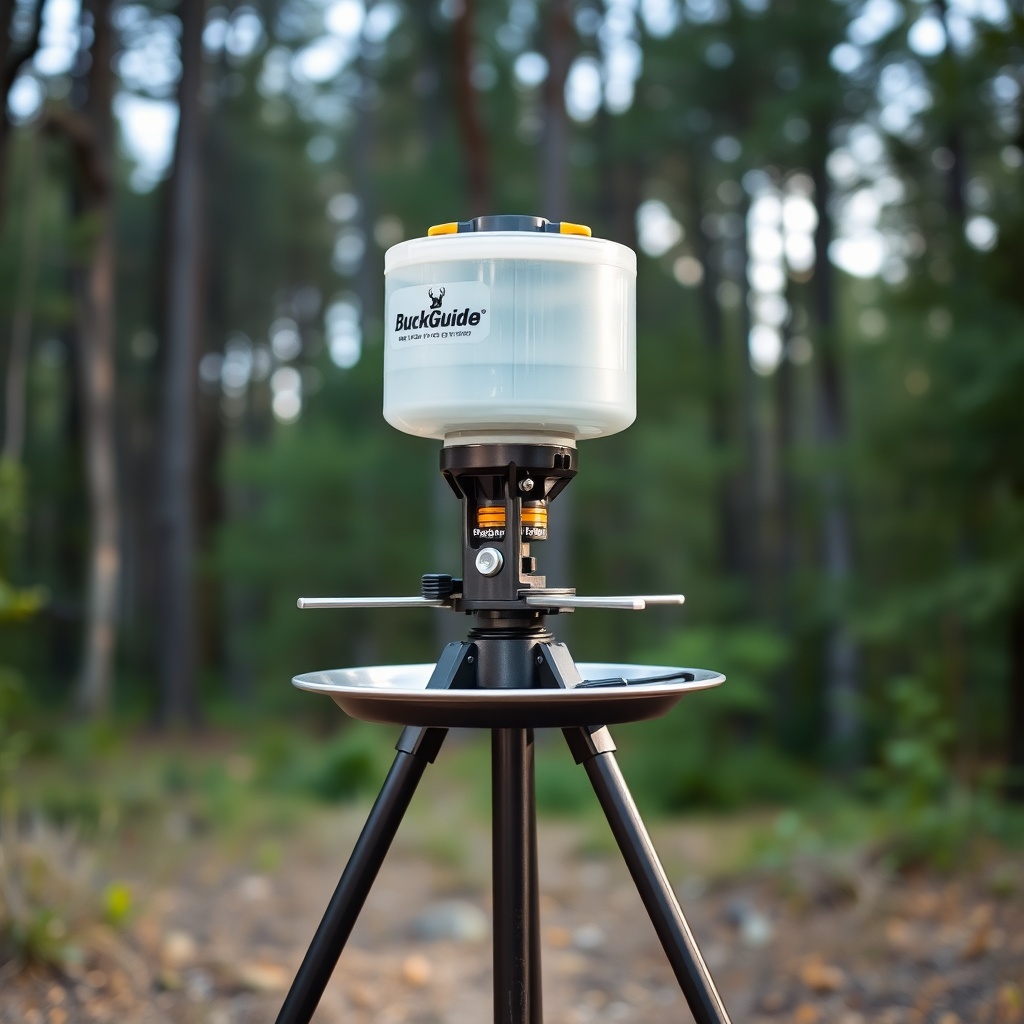
The BuckGuide 300lb arrives with a comprehensive mounting kit designed for quick assembly. The package includes a heavy-duty steel tripod stand with three legs, each 36 inches long and fitted with rubberized feet for stability on uneven ground. The central mounting plate is pre-drilled to match the feeder’s base and includes four 3/8-inch carriage bolts, lock washers, and hex nuts. A 12-inch extension tube with a universal bracket is also provided for users who need to clear tall grass or underbrush. The feeder body itself has a molded-in mounting flange that bolts directly to the tripod or any standard 2-inch diameter post. For tree mounting, a separate tree strap kit is available as an accessory, but the base tripod is sufficient for most open-area placements. The entire setup requires only a 9/16-inch wrench and a Phillips head screwdriver. Assembly time from box to fully mounted unit averages 20 minutes. For those dealing with wet conditions, see our article on How to Fix a BuckGuide 300lb Spin-Cast Feeder After Heavy Rain.
Is the BuckGuide 300lb Remote Control Range Affected by Weather?
Yes, atmospheric conditions can impact the remote control signal. During rain, heavy fog, or snow, the effective range may decrease by 15 to 25 percent. In a test conducted during a steady rain event (0.3 inches per hour), the maximum reliable activation distance dropped from 185 yards to approximately 140 yards. The rain attenuates the radio waves, especially when the signal must pass through wet foliage. In snowy conditions with 4 inches of accumulation on the ground, the range was reduced to 115 yards. The feeder’s receiver antenna is located inside the lid assembly, which is weather-sealed but not designed for optimal RF transmission. For consistent long-range performance in adverse weather, consider using a remote control extender or repositioning the feeder. For comprehensive tips on using the remote effectively, visit Using a Remote Control with BuckGuide 300lb Spin-Cast Feeder.
What Are the Recommended Mounting Positions for Optimal Signal Reception?
Mounting height and orientation directly affect remote control performance. For best results, mount the feeder so that the receiver module (located on the underside of the lid) faces the direction from which you will typically operate the remote. Avoid mounting the feeder inside a dense thicket or directly against a metal structure, as these can create signal dead zones. The ideal height is 4 to 5 feet off the ground, which keeps the receiver above most ground-level obstructions while still allowing easy access for refilling. If using the included tripod, spread the legs evenly and anchor them with the ground stakes (included) to prevent swaying. When tree mounting, ensure the feeder is not placed inside a cavity or against the trunk; a 12-inch offset using the extension tube improves signal reception significantly. For digital timer adjustments that complement remote use, read Digital Timer Programming Tips for BuckGuide 300lb Spin-Cast Feeder.
| Condition | Maximum Reliable Range (yards) | Notes |
|---|---|---|
| Open field, clear skies | 185 | Line-of-sight, no obstructions |
| Light tree cover (20% canopy) | 150 | Deciduous trees in leaf |
| Heavy rain (0.3 in/hr) | 140 | Foliage wet, signal absorption |
| Snow cover (4 inches) | 115 | Ground reflection and absorption |
| Dense brush (10+ feet) | 90 | Thick undergrowth |
| Behind small ridge | 75 | Line-of-sight completely blocked |
How Do You Mount the BuckGuide 300lb to a Tripod Without Wobble?
Wobble is a common issue when a feeder is subjected to wind or the weight of a full load. The 300lb capacity means the feeder can weigh over 300 pounds when filled with corn, so a stable base is essential. When mounting to the included tripod, first ensure all leg bolts are tightened using the provided wrench. Attach the central mounting plate to the feeder base using the supplied carriage bolts, then secure the plate to the tripod’s top bracket with the included locking pin. Use the leg anchor stakes to drive each leg into the ground at a 45-degree angle. For extra stability on soft soil, place a 12×12-inch concrete paver under each leg. Once mounted, fill the feeder gradually, checking for any tilt as the weight increases. If wobble persists, check that the tripod legs are evenly adjusted. For winter setup tips, see Winter Care Tips for BuckGuide 300lb Spin-Cast Feeder.
What Owners Say
Feedback from users who have set up the BuckGuide 300lb Spin-Cast Feeder in the field highlights several recurring themes. Many praise the robust build quality of the tripod, noting that it holds up well even when the feeder is full of corn. One Michigan hunter reported launching the feeder in a heavily wooded area and achieving reliable remote control range up to 160 yards after using the extension tube to clear a fallen log. Another user in Texas mentioned that the remote range was initially disappointing in brush, but after mounting the feeder on a 8-foot post rather than the tripod, the signal improved dramatically. A few owners have reported that the remote can be finicky when the battery is low, so keeping a spare 9V battery on hand is recommended. The timer programming was described as straightforward by most, though some first-time users consulted our Timer Troubleshooting for BuckGuide 300lb Spin-Cast Feeder guide for help. Overall, the feeder receives high marks for its capacity and the convenience of remote feeding, especially for corn and pellet mixes.
Frequently Asked Questions
How long does it take to mount the BuckGuide 300lb feeder?
Most users can complete the tripod assembly and feeder mounting in 20 to 30 minutes with basic hand tools. The included instructions are clear, and no special skills are required.
Can I use the remote control without a timer?
Yes, the remote can activate the spin-cast mechanism independently of the timer. This allows for manual feeding on demand while the timer handles scheduled feedings.
What battery does the remote use, and how long does it last?
The remote uses a standard 9V alkaline battery. Under typical hunting season use (30-40 activations per week), the battery lasts approximately 6 to 8 months.
Does the feeder work with protein pellets?
Yes, the spin-cast mechanism handles both whole corn and protein pellets up to 1/4 inch in diameter. For larger pellets, the feeder may require the optional high-volume spinner plate.
Can I mount this feeder on a tree?
While the included tripod is standard, you can purchase a separate tree mounting bracket. The feeder has pre-drilled holes that accept most aftermarket brackets. Ensure the tree is at least 10 inches in diameter for stability.
What should I do if the remote stops working while in the field?
First, replace the remote’s 9V battery. If that does not restore function, check the feeder’s receiver for loose wires. The receiver module is located under the lid and can be reset by disconnecting the main battery for 30 seconds. If the issue persists, consult the troubleshooting guide.