How to Convert Your Moultrie 30-Gallon Pro Hunter to a Gravity Feed System
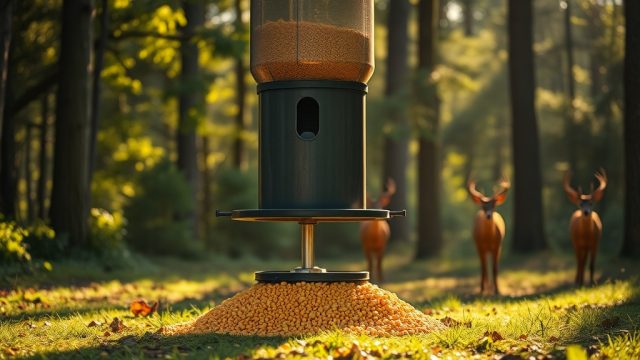
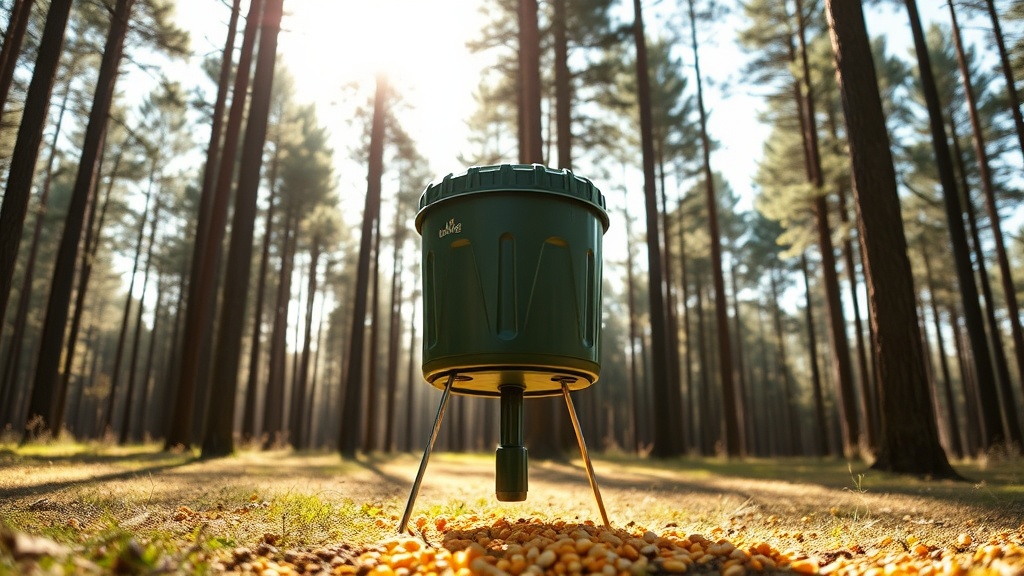
The Moultrie 30-Gallon Pro Hunter is a robust, all-season deer feeder built to withstand the elements while dispensing corn and protein pellets reliably. However, many hunters discover that converting this popular unit to a gravity feed system can dramatically reduce maintenance and ensure a consistent food supply for deer. By replacing the motor-driven spinner plate with a simple gravity drop mechanism, you eliminate battery drain, timer failures, and moving parts that can jam.
This guide walks through the step-by-step conversion process, from selecting the right gravity funnel kit to adjusting the drop rate for maximum attraction. Whether you are tired of replacing batteries or simply want a hands-off feeding solution, this conversion will turn your Pro Hunter into a dependable gravity feeder.
What Tools and Parts Do I Need for the Conversion?
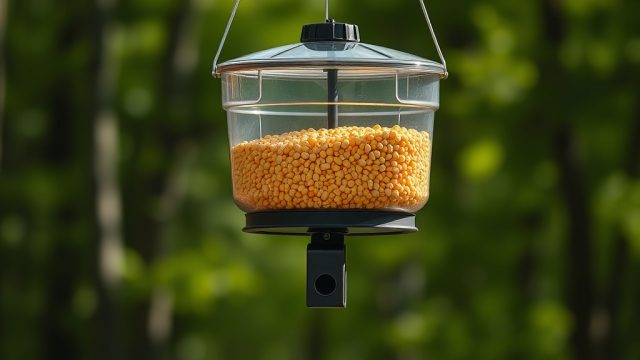
Converting your Moultrie 30-Gallon Pro Hunter to gravity feed requires a few specialized components and standard tools. Unlike the timed spinning plate system, a gravity setup uses a simple tube and adjustable orifice to allow feed to flow downward as deer consume it.
- Gravity conversion kit (e.g., Moultrie Remington Gravity Kit or universal 30-gal kit) – includes a 4-inch diameter drop tube, adjustable flow collar, and mounting bracket.
- 5/16-inch drill bit and electric drill – for creating a clean mounting hole in the bottom of the feeder body.
- Rubber grommet (1-inch inner diameter) – to seal the hole and prevent moisture ingress.
- ¾-inch plywood or HDPE plate (optional) – for reinforcing the feeder bottom if the plastic is thin.
- Silicone caulk or outdoor-grade sealant – for weatherproofing.
- Measuring cup and funnel – for testing feed flow rate.
It is also wise to consult the Mounting the Moultrie 30-Gallon Pro Hunter on a Tripod guide to ensure your converted feeder stays stable, especially since gravity feeders require a level base to prevent uneven feed distribution.
How Do I Remove the Original Motor and Spinner Assembly?
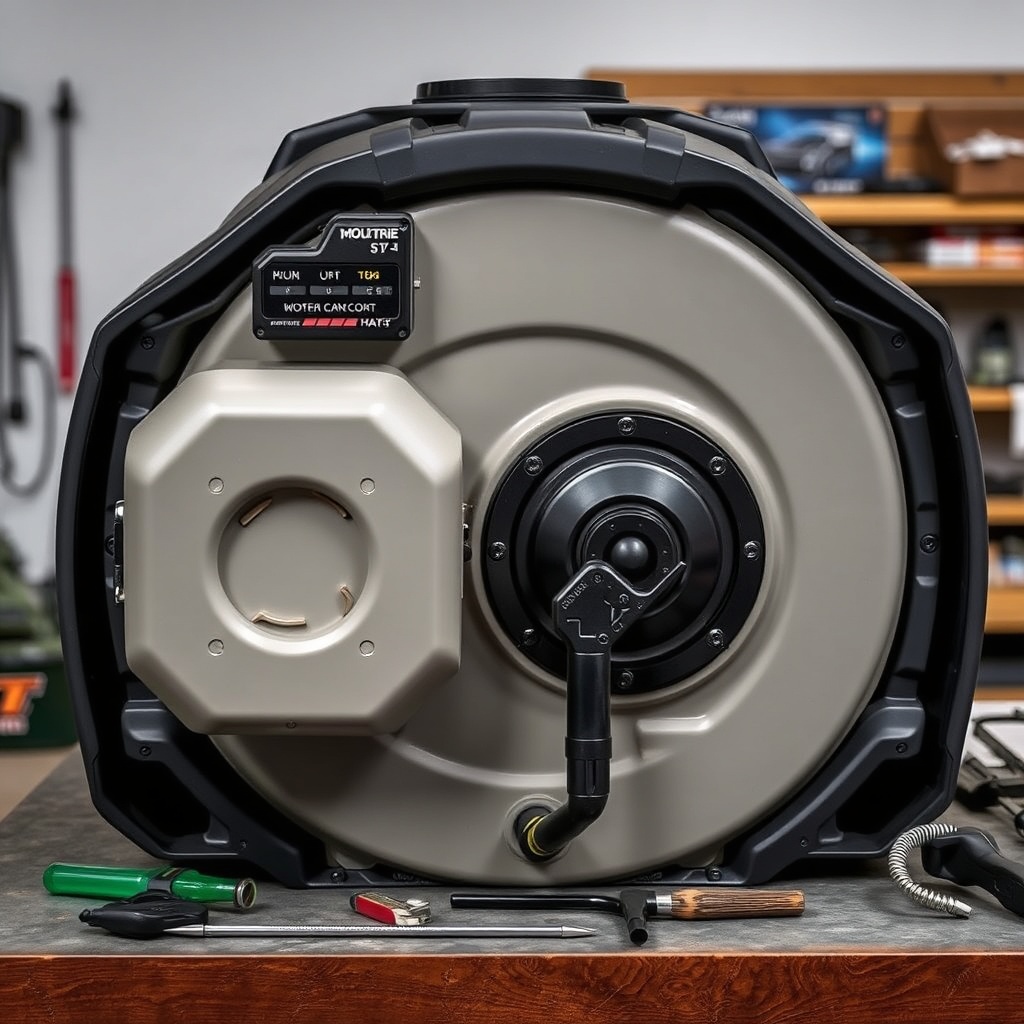
The first step is to disconnect the battery and remove the entire motor/controller box from the feeder. This includes the spinner plate, 12V motor, timer board, and wiring harness.
- Open the feeder lid and disconnect the battery terminals (remove the red lead first). Remove the battery from its holder.
- Unplug the motor wires from the timer board. Typically, there are two push-on connectors.
- Remove the four screws securing the motor housing to the feeder bottom. Gently lift the housing off.
- Twist and pull the spinner plate upward to detach it from the motor shaft. Some models have a set screw; loosen it with a 1/16-inch Allen wrench.
- Unscrew the mounting bracket that holds the motor in place (usually a cross-bracket with four bolts).
- Remove the rubber seal or foam gasket from the original opening—this area will be reused for the gravity tube.
Once the motor assembly is out, you will have a large circular hole (approx. 4 inches) in the feeder’s bottom. Clean any dirt or residual corn dust from around the opening.
| Feature | Original Spinner System | Gravity Conversion |
|---|---|---|
| Power source | 12V battery (requires periodic charging) | No power needed (passive operation) |
| Moving parts | Motor, spinner plate, timer board | None (flow collar only) |
| Feed capacity per day | Programmable (0.5–6 lbs per event) | Continuous (adjustable 2–15 lbs per hour) |
| Moisture issues | Sealed box, but condensation can corrode timer | Open tube – grain can absorb humidity |
| Cost of conversion kit | N/A | £45–£75 (approx. $55–$95 USD) |
| Expected lifespan | 3–5 years (motor failure common) | 10+ years (if kept dry) |
How Do I Install the Gravity Drop Tube and Adjust the Flow Rate?
With the bottom opening clear, insert the gravity conversion kit’s drop tube. Most kits include a flanged tube that slides up from underneath the feeder and a locking ring that screws down from inside.
- Apply a bead of silicone caulk around the perimeter of the hole on the feeder’s interior bottom.
- Insert the drop tube from outside the feeder, pushing up through the hole until the flange sits flush against the bottom.
- From inside, thread the locking ring onto the tube and tighten snugly with a spanner. Avoid overtightening—feeder plastic can crack.
- Let the sealant cure for at least 2 hours.
- Slide the adjustable flow collar over the tube’s exterior. This collar has a sliding door that regulates how much feed can exit per second.
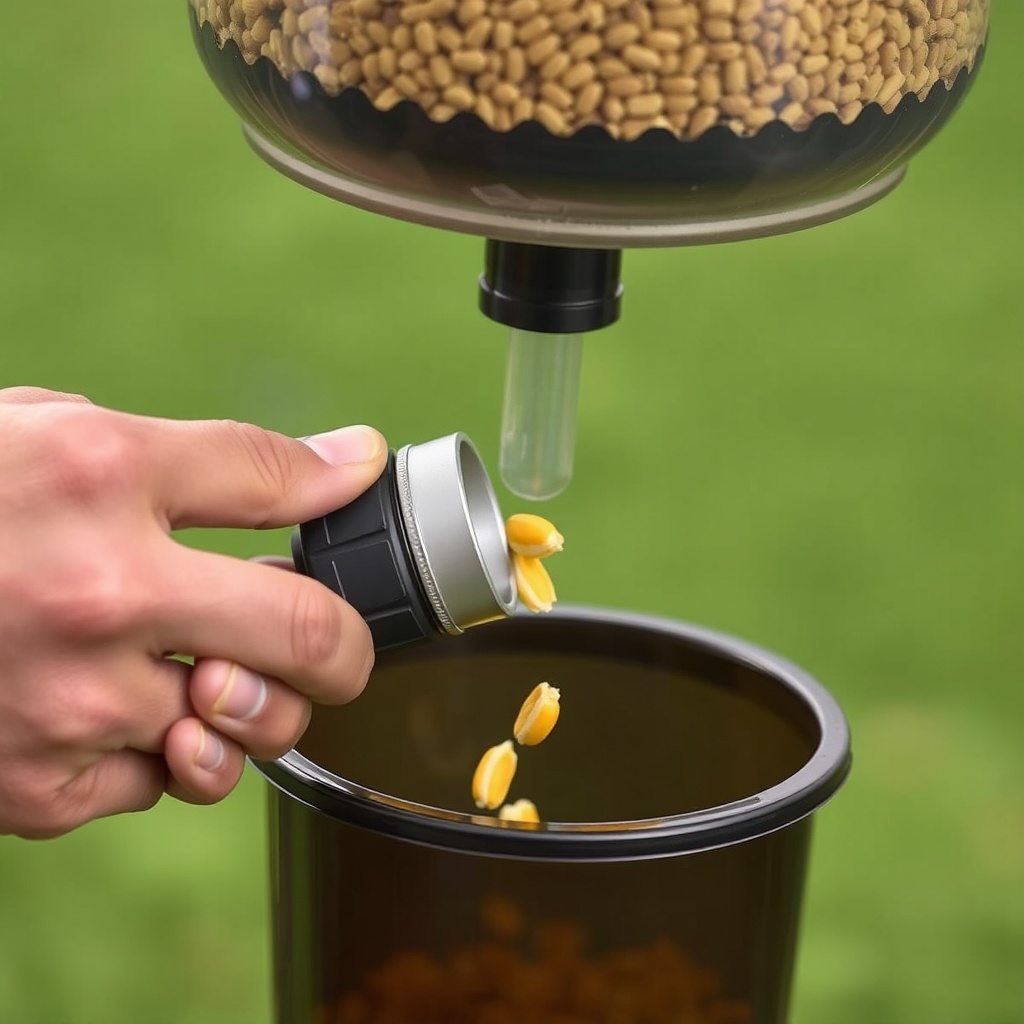
- Add a measuring cup under the tube. Open the collar fully and pour 5 lbs of corn into the feeder. Measure how fast it flows—adjust collar opening so that corn flows at approximately 1 lb every 3–5 minutes for a typical gravity feeder.
- Once set, lock the collar in place with the set screw provided.
For best results, combine this conversion with a solar trickle charger; see Solar Panel Compatibility with Moultrie 30-Gallon Pro Hunter Feeder to keep any backup battery trickle charged for the timer if you keep the digital portion for monitoring.
How Do I Ensure a Consistent Feed Flow Without Jams?
Gravity feeders are simple, but they can clog if the feed is damp or if debris builds up. Follow these tips to keep your converted Pro Hunter running smoothly:
- Use clean, dry corn or pellets – moisture content above 15% causes swelling and bridging inside the tube.
- Install a feed dehumidifier – a hanging silica gel pack inside the feeder can absorb humidity during rainy weeks.
- Clean the drop tube monthly – use a bottle brush to remove mold and fines (dust).
- Check the flow collar after heavy rain – water can seep in and cause the collar to stick.
- Raise the feeder off the ground – mounting on a tripod (see Mounting the Moultrie 30-Gallon Pro Hunter on a Tripod) prevents animals from bumping the tube.
- Use a wide-throat tube (4-inch minimum) – the conversion kit’s 4-inch diameter reduces bridging compared to 3-inch tubes.
If you still experience jams, consider adding a small vibrating motor (solar-powered) that shakes the tube for 2 seconds every hour. This is not part of the basic conversion but can be retrofitted for problem areas.
What Modifications Are Needed for Protein Pellets vs. Corn?
Many hunters use the Moultrie 30-Gallon Pro Hunter to dispense high-protein pellets for antler growth. Gravity feeding works well for both, but pellet diameter and shape matter.
- Corn (whole kernel) – flows very well through 4-inch tubes. Set flow collar to a ½-inch gap.
- Protein pellets (5/16-inch to ½-inch diameter) – flows freely but can shatter in a drop. Use a 3/8-inch gap to slow flow and reduce breakage.
- Mixed feed (corn + soybeans) – soybeans are smaller and can sift below larger corn, causing uneven flow. Best to feed one type at a time.
The gravity system does not require any timer adjustments—it’s always on. However, you can pair it with a Optimizing Moultrie 30-Gallon Pro Hunter Timer Settings for Maximum Deer Attraction if you want to add a digital timer that opens and closes the drop tube at specific hours. Some kits offer a motorised gate that fits the same tube.
What Owners Say About the Conversion
Hunters who have converted their Moultrie 30-Gallon Pro Hunter to gravity feed generally report high satisfaction, especially in areas where battery maintenance is a hassle. “I used to swap batteries every three weeks during peak season,” says John T., a hunter from Texas. “After converting, I haven’t touched the feeder in six months.” Another owner, Sarah M. from Georgia, noted that the conversion eliminated the “spinning plate jams” that occurred with wet corn. However, some users caution that the gravity feed can attract non-target animals like hogs and raccoons more easily because feed is always accessible. To mitigate this, many recommend installing a How to Extend Battery Life on Your Moultrie 30-Gallon Pro Hunter Feeder system for an accompanying electric fence.
Overall, the conversion is praised for its simplicity and reliability, with most owners saying they wish they had done it sooner. The only common complaint is that the flow collar can loosen over time if not secured with thread locker.
Frequently Asked Questions
Can I convert the Moultrie 30-Gallon Pro Hunter to gravity feed without drilling?
No, you must drill a 1-inch hole for the rubber grommet if you want to install a secondary moisture drain, but the main drop tube uses the existing motor mount hole. No new hole is needed for the primary conversion.
Will the gravity feed system work in freezing temperatures?
Yes, but feed moisture can freeze inside the tube. Use dry corn and consider a heated drop tube sleeve (sold separately) for sub-zero conditions.
How much does the conversion cost in the UK?
The basic gravity conversion kit costs between £45 and £75. Tools and sealant may add another £15. This is cheaper than replacing a 12V motor and timer annually.
Does converting void the Moultrie warranty?
Yes, modifying the feeder will void any remaining warranty on the motor and timer components. The feeder itself (barrel and lid) remains covered for manufacturing defects.
Can I switch back to the spinner system later?
Yes. Keep the original motor assembly in a dry place. Reinstall it by reversing the removal steps. You will need to replace the large hole plug with the original motor bracket.
Do I still need to use a timer with a gravity feeder?
No, a timer is optional. Gravity feeds continuously, so deer can access feed at any time. However, a timer-controlled gate can restrict feeding to daylight hours to reduce nocturnal visits.