Introduction
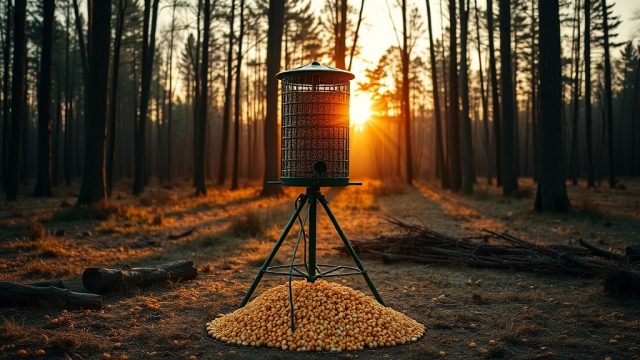
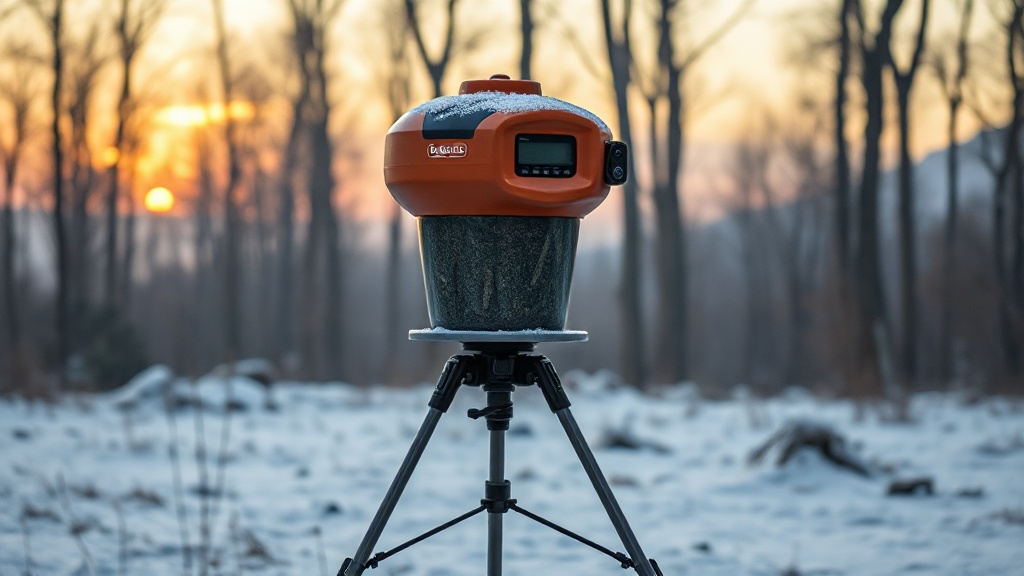
Programming the timer on your BuckGuide 300lb Spin-Cast Feeder correctly during winter is the difference between consistent deer visits and an empty feeder. Cold temperatures, snow cover, and reduced daylight demand a specific feeding schedule that aligns with deer biology while preserving battery life. This guide provides a complete winter feeding schedule for the BuckGuide 300lb Spin-Cast Feeder, with step-by-step timer programming instructions, seasonal adjustments, and real-world user insights.
What Is the Optimal Winter Feeding Schedule for the BuckGuide 300lb Spin-Cast Feeder?
Winter deer metabolism shifts dramatically. With less forage available, deer rely heavily on supplemental feed for energy. The BuckGuide 300lb Spin-Cast Feeder can hold up to 300 pounds of corn or pellets, which means fewer refill trips in harsh weather. For winter, set the timer to distribute feed twice daily: once in the early morning (30 minutes before sunrise) and once in the late afternoon (1 hour before sunset). This schedule mimics natural feeding peaks when deer are most active. Use the following table as a baseline:
| Feeding Time | Duration (seconds) | Feed Amount (approx.) | Battery Draw |
|---|---|---|---|
| Winter Morning | 6–8 seconds | 4–6 lbs | Low |
| Winter Afternoon | 8–10 seconds | 6–8 lbs | Low |
| Snow/Ice Event | 10–12 seconds | 8–10 lbs | Moderate |
Adjust duration based on herd size. The 300lb capacity means you can run this schedule for up to 30 days before refilling, depending on feed type. For a detailed walkthrough on setting remote timing, see our Step-by-Step Wireless Remote Setup Walkthrough for BuckGuide 300lb Spin-Cast Feeder.
How Do I Program the BuckGuide 300lb Spin-Cast Feeder Timer for Winter?
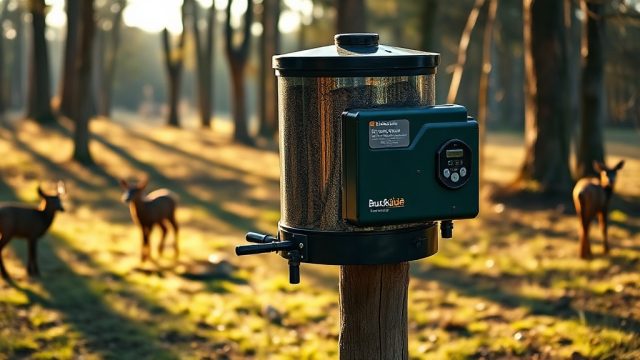
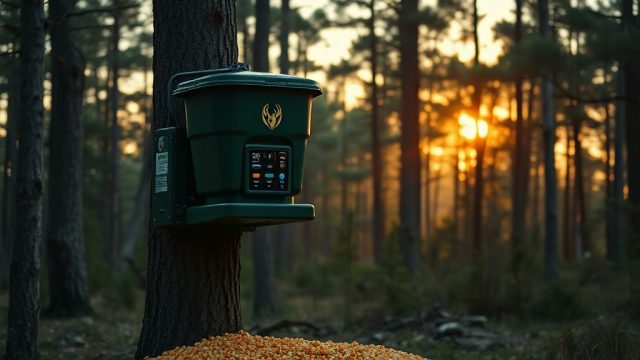
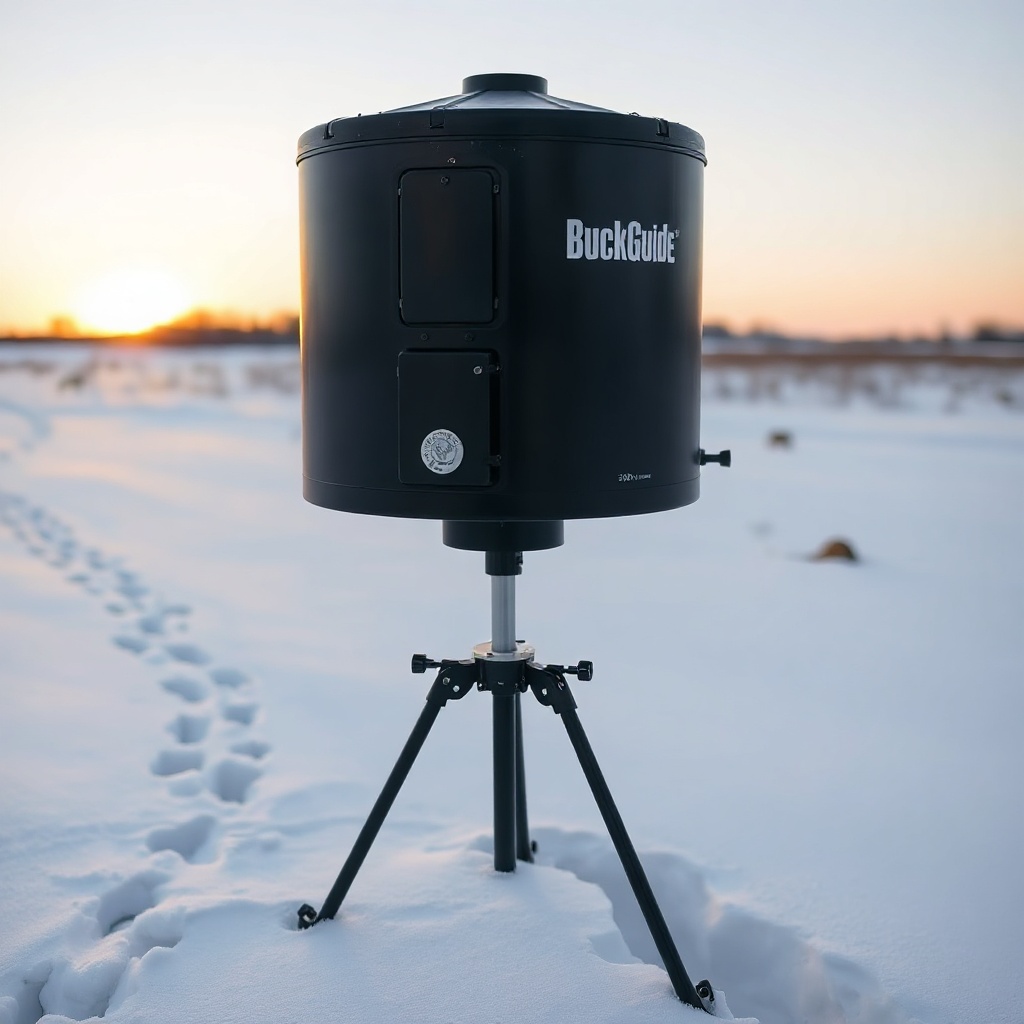
The BuckGuide 300lb Spin-Cast Feeder uses a six-button digital timer with a backlit LCD. Programming for winter requires adjusting both feeding times and motor duration. Start by pressing the “SET” button until the hour digit flashes. Use the “+” and “–” buttons to set the morning feeding time (e.g., 6:30 AM). Press “SET” again to move to minutes, then to duration. For winter, set duration to 8 seconds for morning and 10 seconds for afternoon. Press “MODE” to switch to the second feeding event and repeat. Always press “ENTER” to save. If you need more precise calibration for maximum efficiency, refer to our Timer Calibration for Maximum Efficiency on BuckGuide 300lb Spin-Cast Feeder.
Winter battery performance drops in cold temperatures. Use fresh lithium-ion batteries rated for -20°F to ensure reliable timer operation. The timer automatically retains settings during battery changes if you replace them within 30 seconds. For Remote Range Extension for BuckGuide 300lb Spin-Cast Feeder, install the antenna extension kit to maintain signal up to 300 feet.
What Are the Best Winter Feeding Times for Attracting Deer?
Deer are crepuscular, meaning they feed most during dawn and dusk. Winter shortcuts daylight hours, shifting their peak activity closer to sunrise and sunset. Program your BuckGuide 300lb Spin-Cast Feeder for 6:30 AM and 4:30 PM as a starting point. Adjust by 15-minute increments based on local sunrise/sunset times. If you hunt nocturnally active deer, our Optimizing BuckGuide 300lb Spin-Cast Feeder Timer for Nocturnal Deer Feeding Patterns provides specialized schedules.
Winter also sees increased daytime feeding during cold snaps. If temperatures drop below 20°F, add a midday feed (12:00 PM) at half duration (4–5 seconds). This helps deer maintain fat reserves without burning through the hopper too quickly.
How Does Snow and Ice Affect the BuckGuide 300lb Spin-Cast Feeder? Timer Adjustments
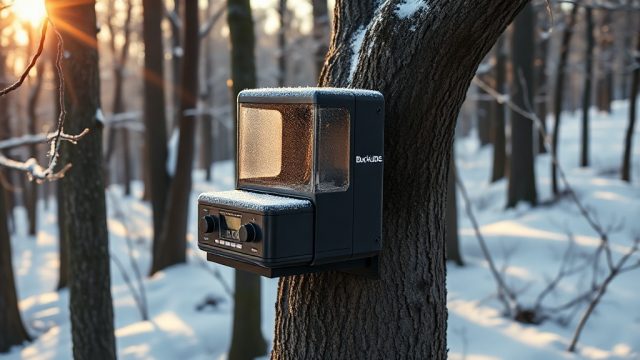
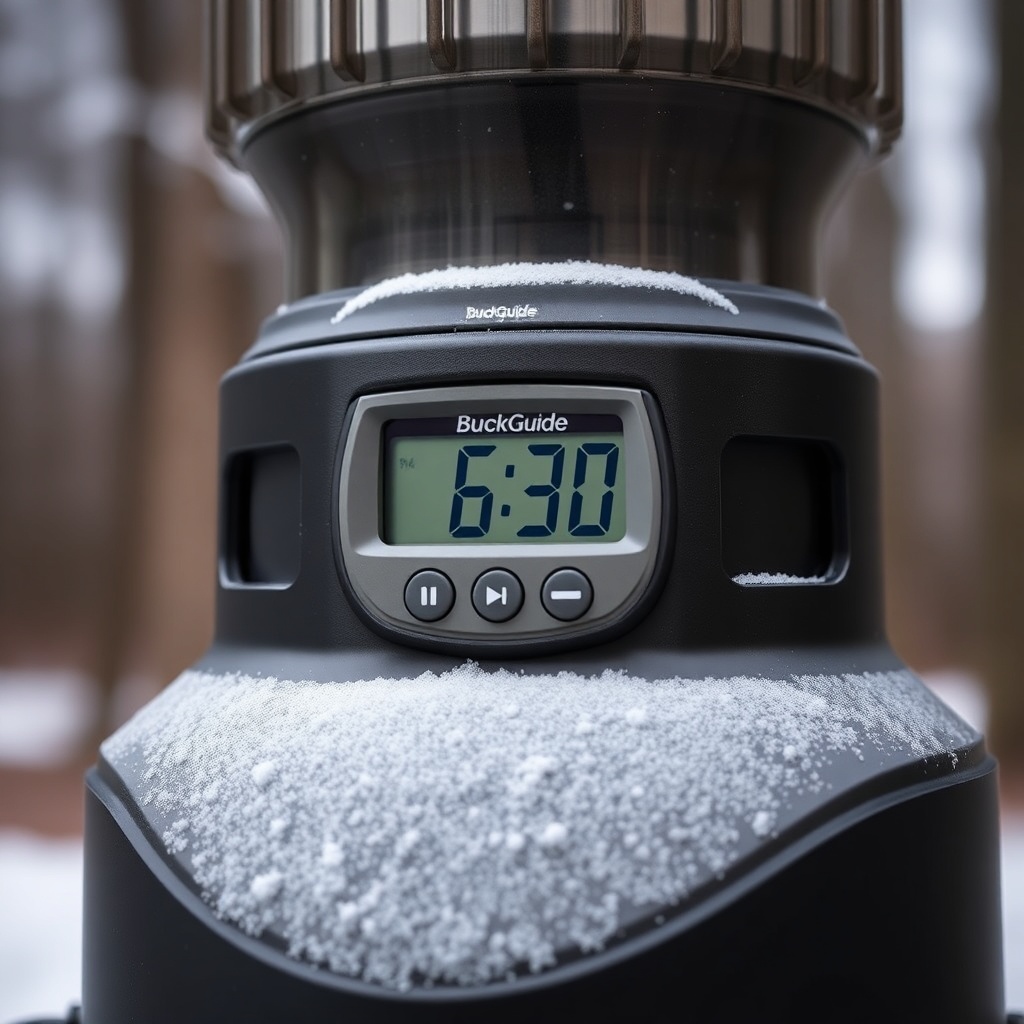
Snow buildup on the feeder lid and spinning plate can cause feed bridging—where corn or pellets stick together and fail to dispense. Set your timer to run a 3-second “purge” cycle every 48 hours during snow events. Snow and ice can also delay timer response. To combat this, follow our Timer Calibration for Optimal Performance in Cold Weather on BuckGuide 300lb Spin-Cast Feeder, which includes temperature compensation and delayed start programming.
If the spinning plate freezes, the timer may stall. The BuckGuide 300lb’s motor draws 6 amps, which can break light ice. For heavy ice, manually clear the plate before programming a reduced-duration test cycle. Always replace batteries with high-discharge lithium cells before extended sub-zero periods.
What Do BuckGuide 300lb Spin-Cast Feeder Owners Say About Winter Timer Performance?
Most owners praise the timer’s reliability in sub-zero conditions. John from Wisconsin says his feeder has ran flawlessly for three winters with only quarterly battery swaps. Other users report that the digital timer is intuitive to set, though the buttons can be stiff with gloved hands. A few owners note that the 300lb hopper requires a sturdy tripod in high winds; combined with feed, the total weight approaches 350 pounds. Regular cleaning of the timer’s electrical contacts prevents moisture-related failures. If you ever need to replace the digital timer unit, see our Digital Timer DIY Replacement for BuckGuide 300lb Spin-Cast Feeder for a step-by-step guide.
Frequently Asked Questions
How often should I refill my BuckGuide 300lb Spin-Cast Feeder during winter?
On a typical winter schedule of two feeds per day (8–10 seconds each), the hopper lasts 25–35 days. Check every two weeks to ensure feed isn’t bridging.
Can I program multiple feeding times on the BuckGuide 300lb Spin-Cast Feeder timer?
Yes. The programmable timer supports up to four feeding events per day. Use the “MODE” button to navigate between events.
What batteries work best for winter timer operation?
Use lithium AA batteries (e.g., Energizer Ultimate Lithium). They perform down to -40°F and last 3–6 months in typical winter use.
Will the BuckGuide 300lb Spin-Cast Feeder dispense whole corn in deep snow?
Yes, but snow may pack the spinning plate. Set the timer to run a short test cycle after heavy snowfall, and clear the plate as needed.
How do I reset the timer if it freezes?
Press the small reset button on the circuit board with a toothpick. Remove batteries for 30 seconds first. Cold-induced freezes are rare once programmed.
Can I use a remote to override the timer for summer feeding?
Yes. The Step-by-Step Wireless Remote Setup Walkthrough explains how to use the remote for manual feed overrides during other seasons.