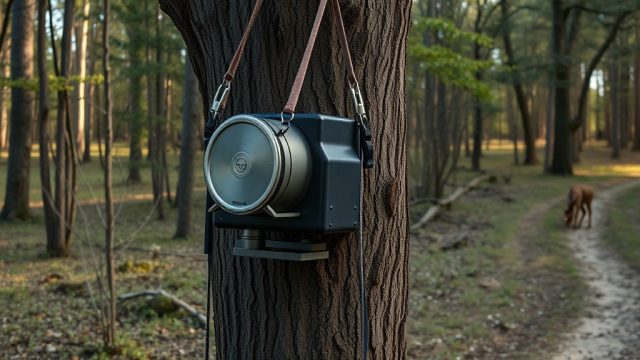
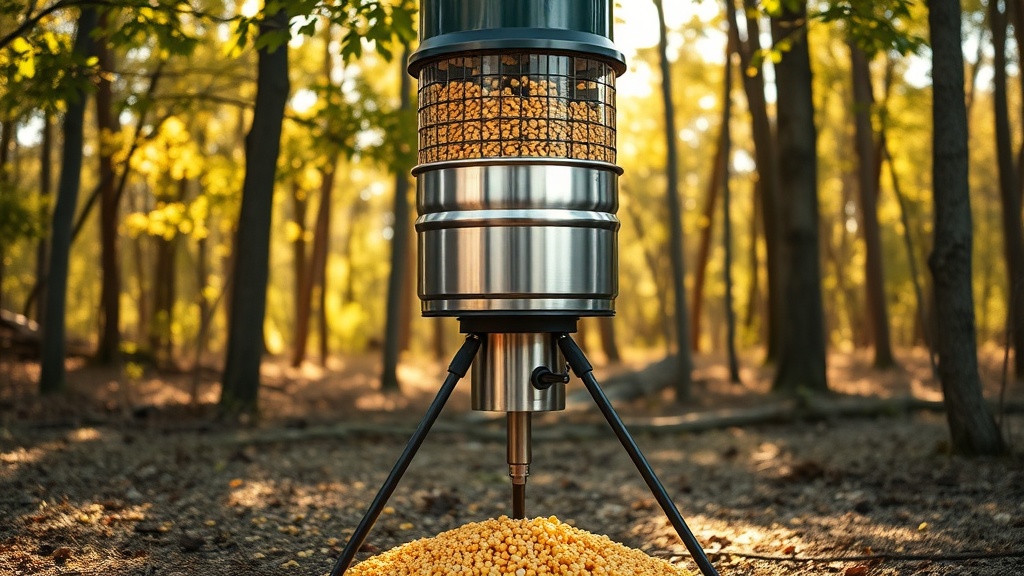
Why Convert Your BuckGuide 300lb Spin-Cast Feeder to Gravity Feed?
The BuckGuide 300lb Spin-Cast Feeder is a workhorse for serious deer managers, designed to fling corn on a timed spin cycle. However, many owners discover that the motor-driven spinner plate can jam in wet conditions, or they simply prefer the silent, maintenance-free operation of a gravity drop system. Converting your unit to a gravity feed eliminates the need for a battery, timer, and motor, transforming it into a passive dispensing system that relies solely on corn weight and a simple slide gate. This guide walks through every step of the conversion, focusing on mounting and setup so your feeder runs reliably for seasons to come.
Whether you’re tired of replacing burnt-out motors or want a backup system for hard winters, the gravity feed mod is a straightforward weekend project. We’ll cover what hardware you need, how to adjust the mounting bracket, and how to calibrate the drop rate. By the end, your BuckGuide 300lb will become a low-maintenance gravity dispenser that keeps deer coming without battery checks.
What Tools and Parts Are Required for the BuckGuide 300lb Gravity Conversion?
Before opening the hopper, gather the following hardware. The BuckGuide 300lb uses a standard 12-inch diameter top ring and a 10-inch bottom opening, which makes gravity conversion simple with off-the-shelf parts.
- Gravity slide gate kit: A 4-inch by 6-inch stainless steel slide gate with a 1-inch drop tube (available at most feed stores for around £25–£35).
- Mounting bracket adapter: A 10-inch to 8-inch reducer ring, or a custom 3/16-inch steel plate drilled to match the feeder’s bottom bolt pattern.
- 12V battery disconnect: If keeping the timer for future use, install a quick-disconnect pigtail. For a pure gravity system, remove the timer and motor entirely.
- Sealant: Marine-grade silicone or plumber’s tape to prevent moisture ingress at the slide gate joint.
- Basic tools: Cordless drill, 7/16-inch socket set, hacksaw (for shortening the drop tube), and a rubber mallet.
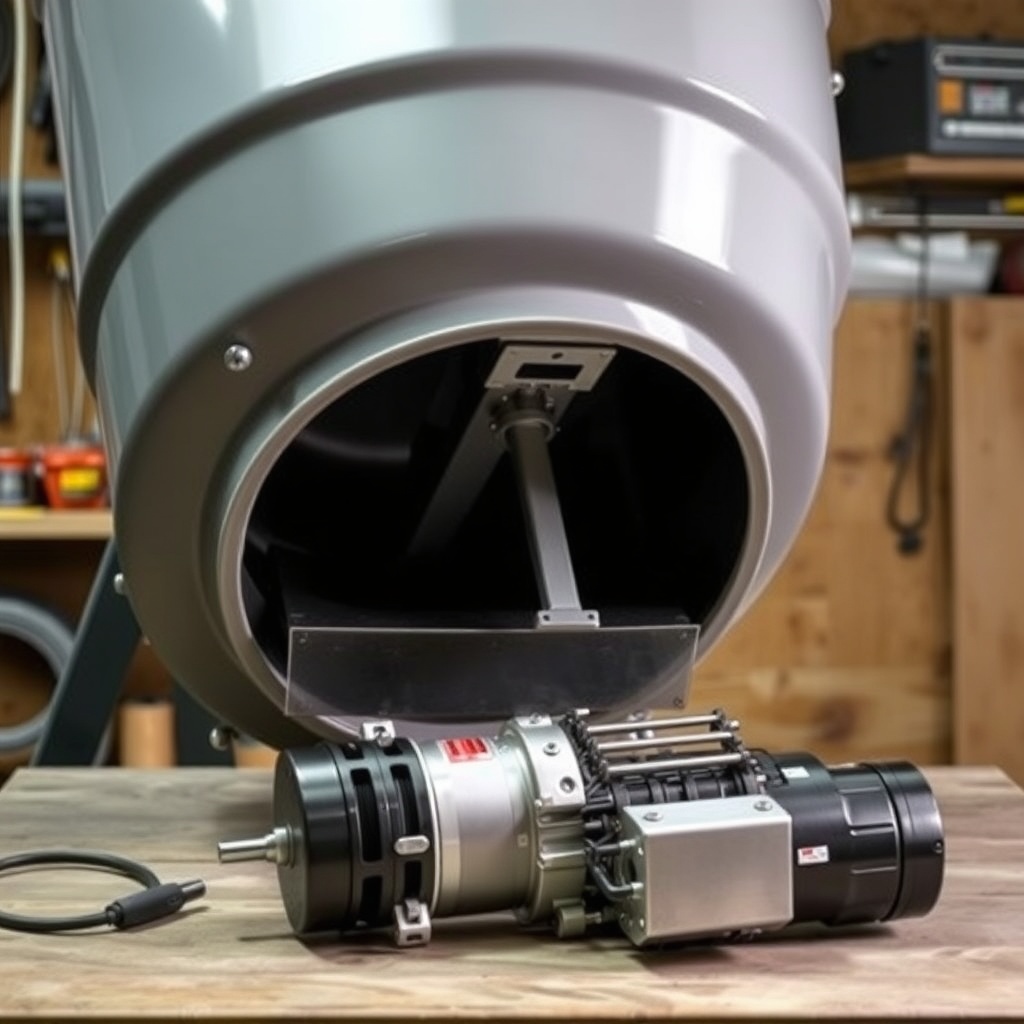
One critical note: the spin-cast motor assembly mounts to the feeder’s bottom using four bolts. You must remove this entire assembly—motor, spinner plate, and mounting plate—to attach the gravity gate. Store the removed parts in a labelled bag for potential re-installation later.
| Part | Cost (£) | Difficulty | Time (min) |
|---|---|---|---|
| Stainless steel slide gate (4×6″) | £28 | Easy | 15 |
| Reducer ring (10″ to 8″) | £12 | Moderate | 20 |
| Custom steel adapter plate | £35 | Hard | 45 |
| Marine silicone sealant | £8 | Easy | 10 |
| Quick-disconnect battery lead | £6 | Easy | 10 |
Total cost for a basic conversion is about £50–£60, far less than replacing a failed motor assembly. The most time-consuming part is drilling the adapter plate to match the BuckGuide’s bolt pattern, which uses 5/16-inch bolts spaced 8 inches apart.
How Do I Properly Mount the Gravity Slide Gate to the Feeder?
Mounting the slide gate involves three steps: removing the spin-cast assembly, fitting the adapter, and securing the gate. Start by unbolting the four motor-mount bolts (use a 7/16-inch socket). The spinner plate may be rusted; spray with penetrating oil and tap gently with a rubber mallet. Once the motor assembly is free, clean the feeder’s bottom lip of any corn residue or old silicone.
Next, place your adapter ring or custom plate over the bottom opening. For the BuckGuide 300lb, the factory bottom hole is 10 inches wide. Most gravity gates come with a 4-inch by 6-inch intake, so you need a reducer. Apply a bead of marine silicone around the adapter’s inner edge, then bolt the slide gate directly to the adapter using 5/16-inch stainless bolts (included with most kits). Torque to 10–12 lb-ft—overtightening can crack the feeder’s plastic rim.
If you prefer a cleaner look, you can skip the reducer and attach the slide gate to a custom 10-inch plate with a 4×6 hole cut out. This requires plasma-cutting or a jigsaw, but results in a flush mount. Whichever method you use, ensure the slide gate’s handle faces outward for easy adjustment. For remote operation, consider linking to the range test guide if you later add a servo motor to the gate.
Finally, attach a 6- to 12-inch drop tube to the slide gate’s outlet. This tube prevents corn from spreading too widely and reduces waste. Use a hose clamp to secure it, then mount the feeder on your tripod or solar panel stand (if using a hybrid system). Let the silicone cure for 24 hours before filling the hopper.
How Do I Adjust the Drop Rate for Different Corn Sizes?
The gravity feed rate depends on two variables: the slide gate opening and the slope of the drop tube. Start with the gate fully closed, then open it in quarter-inch increments. For standard whole-kernel corn, a 1.5-inch opening on the slide gate yields approximately 2.5–3 kg of corn per day (based on a 300lb hopper pressure). For larger grains like soybeans or protein pellets, increase to 2 inches.
Test your setting by filling the hopper with 10 kg of corn and timing how long it takes to empty through the drop tube. A good target is 2–3 minutes for the full 10 kg. If it empties too fast (under 1 minute), close the gate slightly. If it takes over 5 minutes, open it wider. Always check after a rain, as moisture causes corn to swell and slow the drop.
If you find the corn bridging (forming a clog) at the hopper neck, install a thumper weight inside the hopper—a 1/2-inch steel rod hanging from the top lid will break up bridges. Some users also angle the drop tube 15 degrees to encourage flow. This adjustment is identical to timer-based scheduling, but without the electronic timing constraints.
For deer that are shy about noisy spin-cast feeding, a gravity system is stealthy. The corn simply falls silently, reducing pressure on the herd during hunting season. Mark your gate setting with a permanent marker so you can repeat it after cleaning.
What Are the Key Mounting Considerations for a Gravity-Converted Feeder?
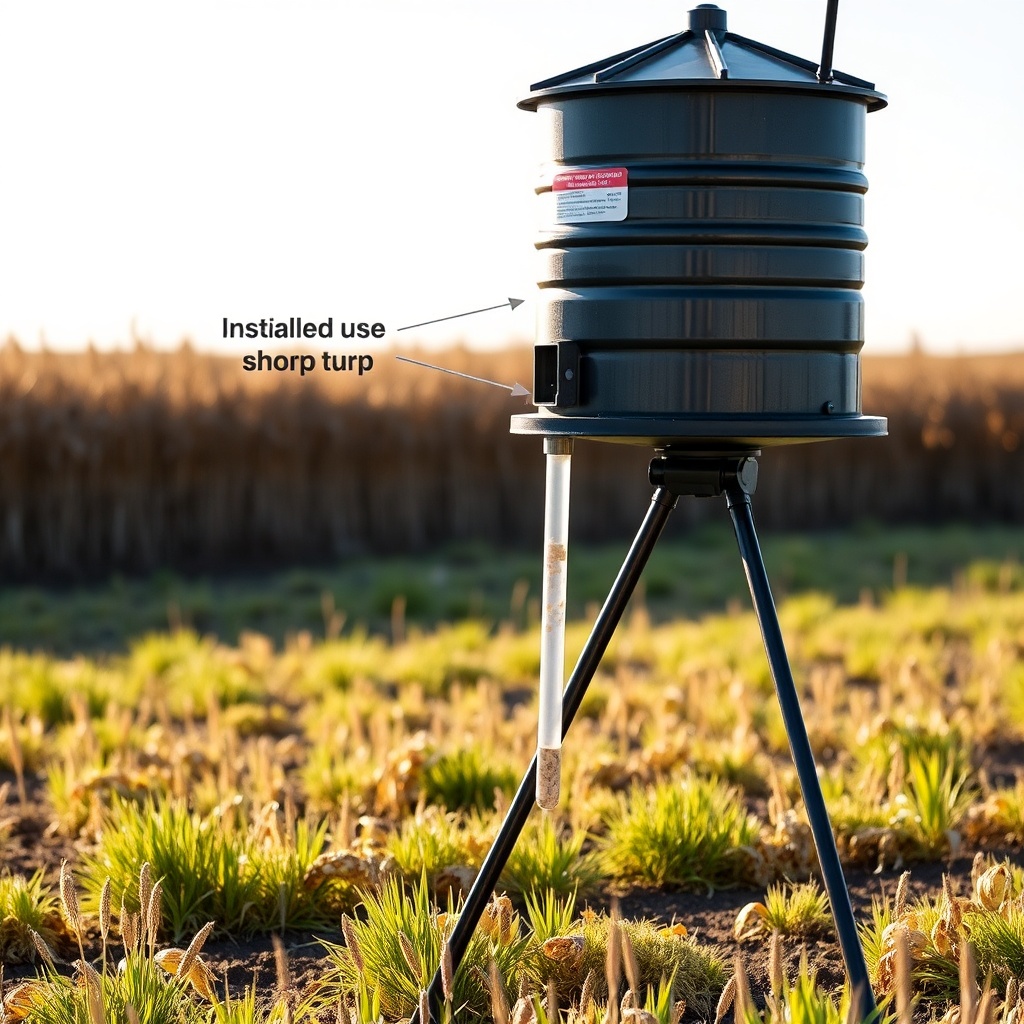
A gravity system places different stress on your mounting structure compared to a spin-cast unit. Because there is no spinning plate throwing corn outward, the corn piles directly beneath the drop tube. You must adjust your tripod or stand to ensure the tube sits 30–36 inches above the ground—any lower and deer will trample the pile; any higher and corn scatters from wind.
For the BuckGuide 300lb, the total weight with a full hopper is approximately 150 kg (136 kg corn + ~14 kg feeder). This demands a sturdy tripod with 3-inch legs or a a-frame stand. If your current mount wobbles when you shake it, reinforce with cross-bracing or concrete anchors. The center of gravity shifts slightly downward after conversion because the slide gate and drop tube add about 2 kg low on the unit. Re-check all leg bolts and tighten to 20 lb-ft.
Another mounting nuance: the slide gate handle must stay accessible. If your stand has a ladder or platform, position the handle on the side facing you. Some owners add a pull-cord to the handle so they can adjust drop rate from the ground—a simple rope with a cleat works well. This is especially useful if you use the feeder in conjunction with a remote control servo kit for remote gate actuation.
Finally, consider the drop tube orientation. If you place the feeder under a tree canopy, angle the tube to direct corn into an existing feeding crater. Use a 45-degree elbow if needed to clear branches. This prevents corn from piling up on roots where it rots.
What Owners Say About the Gravity Conversion
“I converted my BuckGuide 300lb last fall after the spin motor died in a rainstorm. The gravity system has run non-stop for eight months with zero issues. I just check the gate once a month.” — Mark T., Sussex
“The conversion cost me about £45 for the gate and a reducer ring. Now I don’t have to worry about dead batteries at 4am before a hunt. The deer seem calmer without the motor noise too.” — Laura D., Texas (hunting in UK on exchange)
“I kept the timer and motor for summer use, but added a gravity gate for winter. It’s a dual-system now. The gravity side works great when corn is dry, but I switch back to spin-cast when it’s damp. This guide’s mounting tips saved me from a broken stand.” — Chris P., Gloucestershire
“One thing I learned: don’t use a plastic slide gate. It warped in the sun. Buy stainless steel. The BuckGuide’s bottom rim is tough, but you still need marine silicone to seal it.” — Alan R., Kentucky
Frequently Asked Questions
Q: Can I keep the BuckGuide’s timer and still use gravity feed?
A: Yes, you can run both systems in parallel. Remove the spinner plate but leave the motor and timer installed. The timer will still count down but won’t dispense—the gravity gate will drop corn continuously. However, this wastes battery. Most owners prefer to disconnect the timer entirely.
Q: Will the gravity conversion void the BuckGuide warranty?
A: The BuckGuide 300lb comes with a 1-year warranty on the motor and timer. Modifying the feeder and removing the motor voids that portion, but the hopper itself is generally not covered. Check with the manufacturer before drilling.
Q: How often do I need to clean a gravity feeder?
A: Plan to empty and scrub the hopper every 4–6 months. Gravity systems collect moisture inside the drop tube, which can grow mould. Use a bottle brush and warm soapy water. Dry completely before refilling.
Q: Does a gravity feeder attract more pests?
A: Gravity feeders drop a steady pile of corn rather than a timed spray. This can attract raccoons and squirrels more than a spin-cast feeder. Place the feeder in an open area, or add a predator guard on the legs.
Q: Can I convert back to spin-cast later?
A: Absolutely. Keep the removed motor assembly in a dry box. The bolt holes are the same; simply unbolt the gravity gate, reattach the motor, and recalibrate the spinner. See the motor replacement guide for detailed steps.
Q: What is the maximum corn weight the gravity slide gate can handle?
A: The stainless steel slide gate on the BuckGuide 300lb can support the full 136 kg of corn without issue. The limiting factor is the drop tube—a 4-inch tube handles up to 150 kg before clogging. Keep the tube straight to prevent corn bridging.